


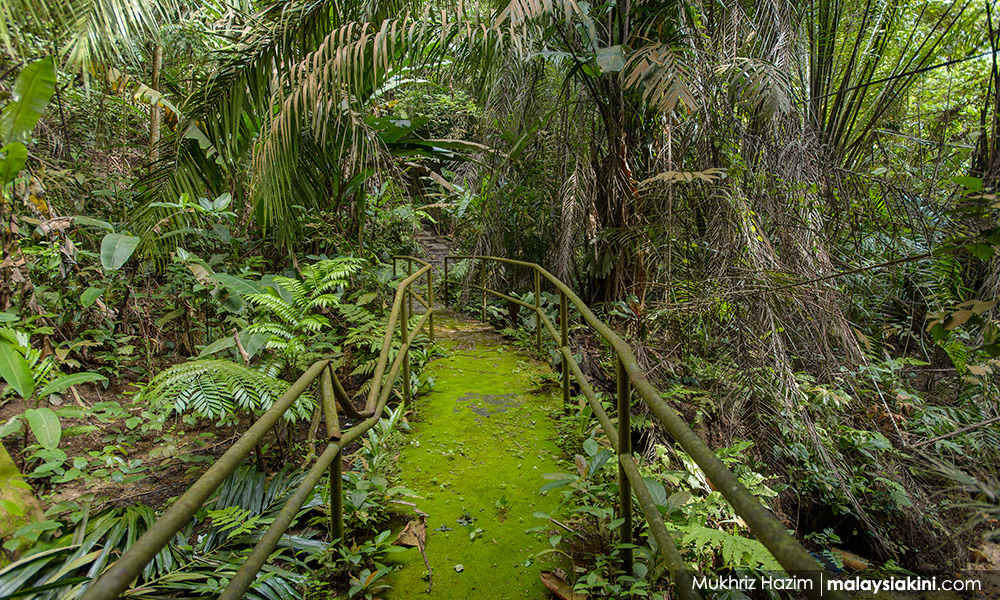

COMMENT | The last forest of Kuala Lumpur
COMMENT | A surprising aspect of Kuala Lumpur is that it still remains home to one last forest, hidden in plain sight. As the remnants of the city’s wilderness is gradually transformed into a dense net of skyscrapers, it becomes difficult to remember how rural much of the Klang Valley once was.
Ampang was the distant terminus of the defunct railway to Jalan Sultan, a half-urban area that has now joined the sprawl. Close to the city centre, the old forests at Kampung Attap have largely been stripped away. But for the moment, 74 hectares of government-owned land remain in place at the heart of the city.
Bukit Persekutuan (Federal Hill), named to commemorate the Federation of Malaya, stands isolated. The highway slices between the strip of land that once connected it to the Lake Gardens. This is not part of the original forest that once grew here.
Much of the area was dug up for tin mining or covered in rubber estates but enough time has gone by that an old-growth secondary rainforest has now come into being. Dotted around the hill are the satellite palaces of the royal houses and old colonial bungalows, some serving as offices and clubs, others as subsidised housing.
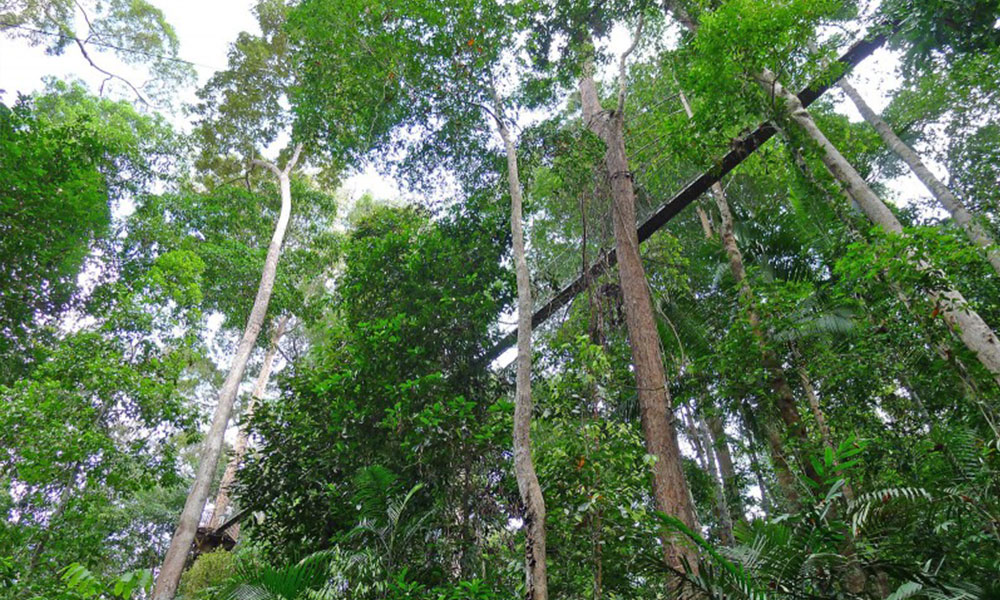
They are not alone; in the deeply forested land between them are 234 tree species, some of which are rare or endangered, such as the merbau tree, native and migratory birdlife, various fauna and the Sungai Bras-Bras, fed by groundwater and never having run dry, recognised in the recent River of Life project.
We are not the only inhabitants of the city, as much as we like to think we are.
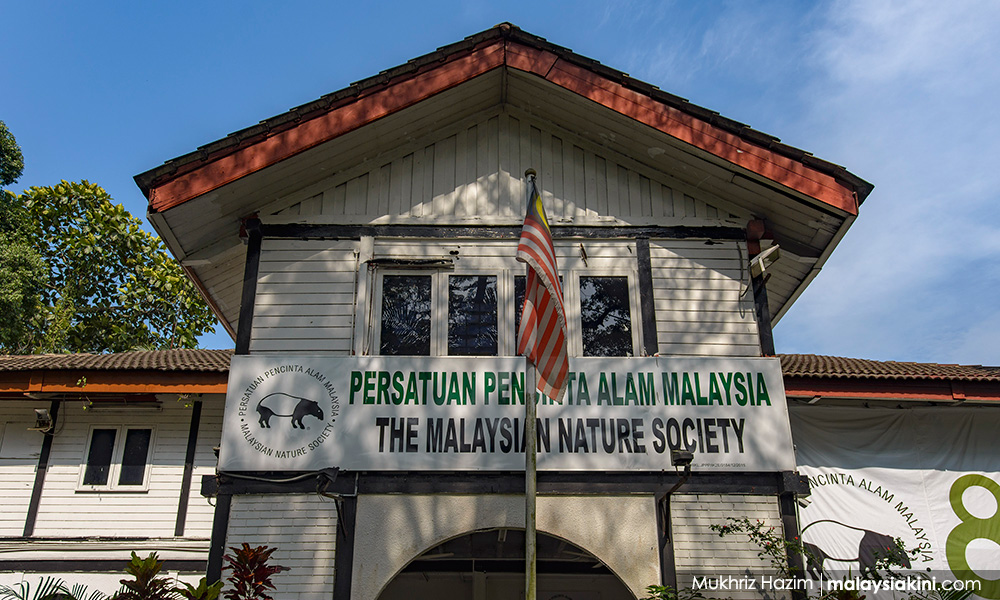
It is at the fringes of the hill that the Malaysian Nature Society (MNS) came to be headquartered. The slow work of rehabilitating the hill, of tree-planting activities and the construction of trails that snake through the terrain, has led to the creation of the Urban Community Forest (UCF).
But there is no official protection for the shrinking land, not when the...
COMMENT | A surprising aspect of Kuala Lumpur is that it still remains home to one last forest, hidden in plain sight. As the remnants of the city’s wilderness is gradually transformed into a dense net of skyscrapers, it becomes difficult to remember how rural much of the Klang Valley once was.
Ampang was the distant terminus of the defunct railway to Jalan Sultan, a half-urban area that has now joined the sprawl. Close to the city centre, the old forests at Kampung Attap have largely been stripped away. But for the moment, 74 hectares of government-owned land remain in place at the heart of the city.
Bukit Persekutuan (Federal Hill), named to commemorate the Federation of Malaya, stands isolated. The highway slices between the strip of land that once connected it to the Lake Gardens. This is not part of the original forest that once grew here.
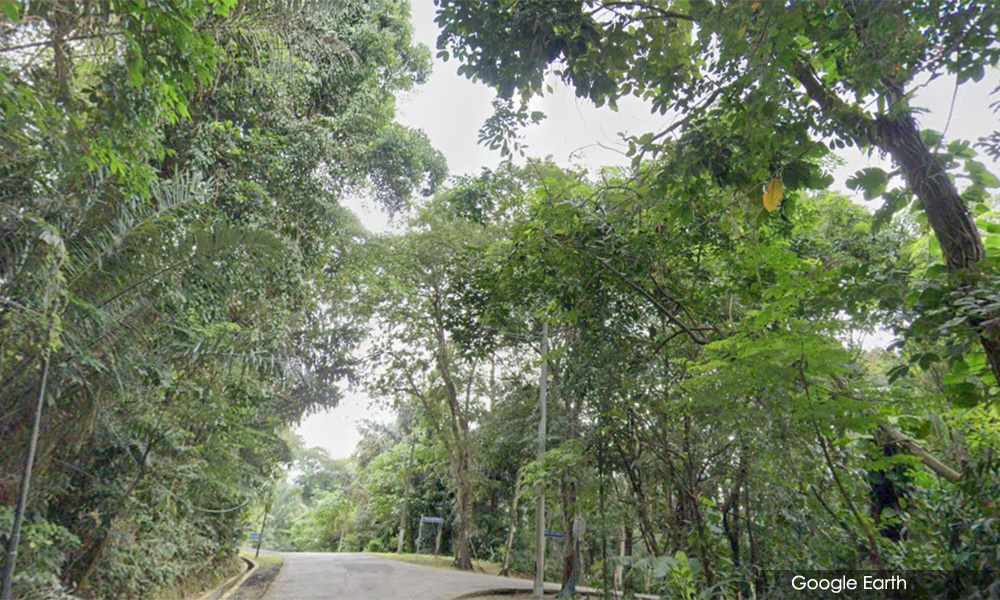
Much of the area was dug up for tin mining or covered in rubber estates but enough time has gone by that an old-growth secondary rainforest has now come into being. Dotted around the hill are the satellite palaces of the royal houses and old colonial bungalows, some serving as offices and clubs, others as subsidised housing.
They are not alone; in the deeply forested land between them are 234 tree species, some of which are rare or endangered, such as the merbau tree, native and migratory birdlife, various fauna and the Sungai Bras-Bras, fed by groundwater and never having run dry, recognised in the recent River of Life project.
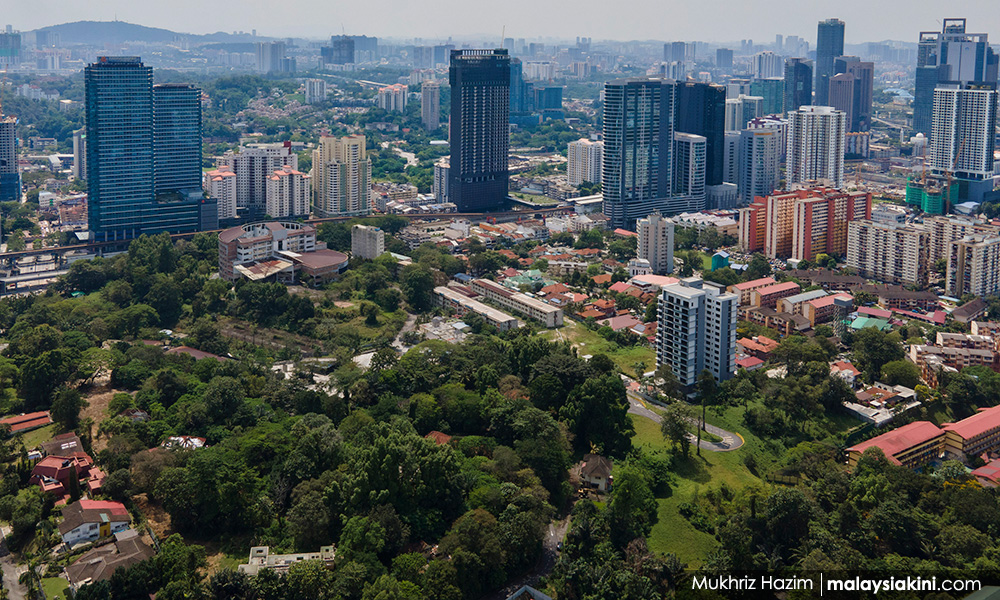
We are not the only inhabitants of the city, as much as we like to think we are.
It is at the fringes of the hill that the Malaysian Nature Society (MNS) came to be headquartered. The slow work of rehabilitating the hill, of tree-planting activities and the construction of trails that snake through the terrain, has led to the creation of the Urban Community Forest (UCF).
But there is no official protection for the shrinking land, not when the price of land runs into thousands of ringgit per square foot in the city centre.
The forest, with its complete ecosystem, is very different from its neighbouring parks. The extensively manicured gardens across the highway are necessarily artificial by design, having drawn on the tradition of English landscaping that, as Kunstler writes in The City in Mind, may have had “an irregular, informal, ‘natural’ style (but) that was no less entirely an artifice”, created for human consumption and enjoyment. The park planner has very different considerations from conservationists.
'Invisible forest'
I cycle along the roads, past where the trains were once hauled aside, away from the bombers that once targeted the railway yards during the Second World War. The forests are imposing, enveloping. The further in I go, the further the city seems to disappear, even if a few turns in the road will bring me back in sight of its buildings.
The roads are quiet here, few cars go by. The trails cut into the forest. My enjoyment comes guilt-free. This is probably what Kate Soper’s “alternative hedonism” looks like in action - stepping away from a capitalist consumerist lifestyle, and into a life that rejects all of that for a more fulfilling, rewarding one.
The strangest aspect of the forest may be its invisibility, how difficult it is to notice from the roads or train windows (the MRT line runs under the hill). With few residents and stakeholders taking an active interest in the hill, activism can be a difficult process.
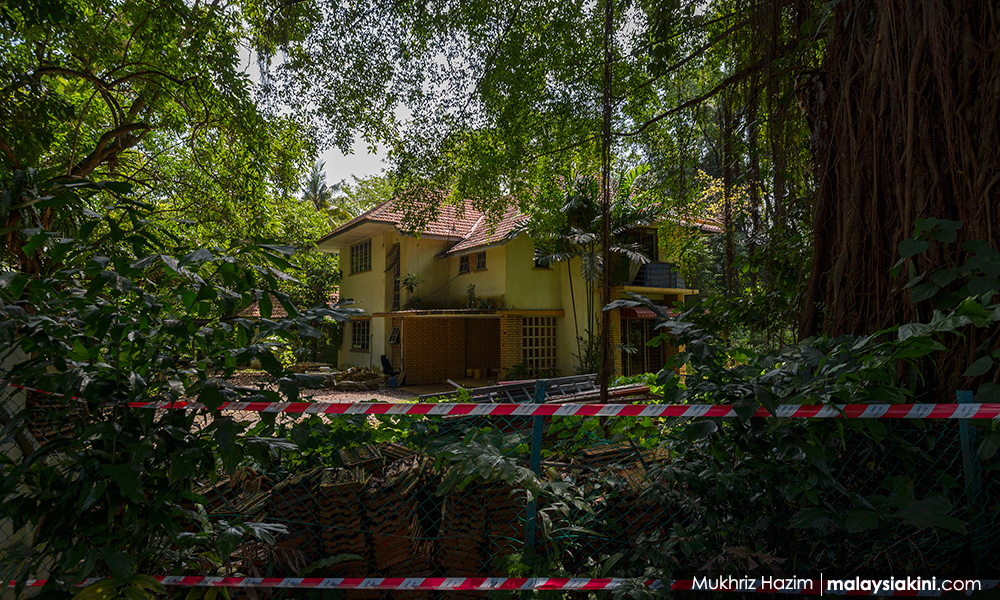
Other chunks of greenery have been able to fight off developers, notably the recent case of Bukit Kiara. However, legislation without fighters may not be enough, the Kota Damansara forest reserve’s supporters had to fight to have it re-gazetted in 2010.
Elsewhere, protected land comes under siege at Bukit Cherakah and the efficacy of the Malaysia Forestry Policy, despite its “moral commitment” to covering half of Malaysia’s land area with forest, remains hazy, especially since forest cover is only a portion of the fight for sustainability and against climate change.
Conservation and protection had their roots in British colonial policy even as they encouraged widespread devastation and exploitation. One journal estimates that, while commenting on the need for conservation, Malaysia’s “‘effective’ protected-area coverage in 1992 was probably no greater than that in 1940”.
What is urgently required is a set of stakeholders. The UCF’s stewards see Bukit Persekutuan’s true stakeholders as not just the hill’s residents, but more broadly the city’s workers and inhabitants, and certainly not the developers and elites with interests in its exploitation.
However, MNS’s efforts are multi-pronged and complicated. With efforts at saving large fauna and large-scale projects such as the Kuala Selangor mangroves to maintain, the UCF may seem on the surface to be a losing battle. It is necessary to bring together a community in order to create a concerted effort.
Individual efforts can still make a difference (such as the case of the farmer Sandiman in Wonogiri, Java). But if the vocal support of a broader community could be harnessed, it may be possible to mobilise the same level of mass support as with other green lungs.
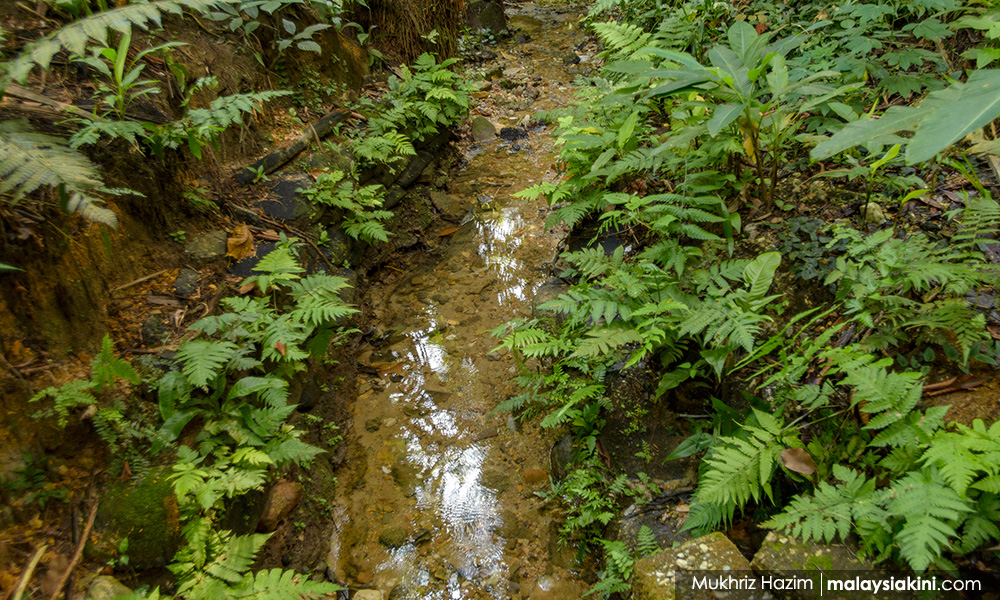
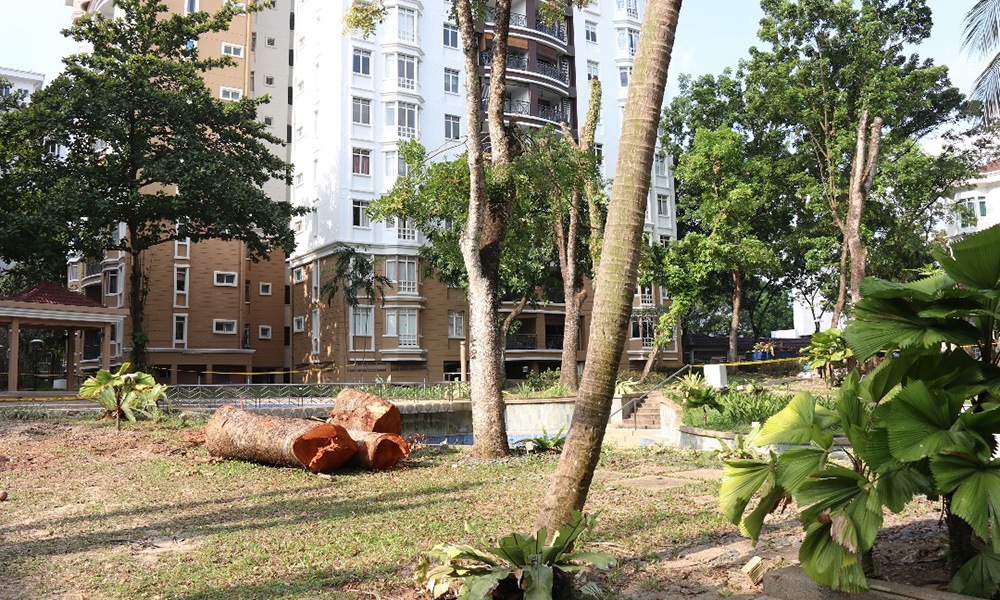
Ironically, the destructive proximity of the city centre may provide the roots for dissent to grow. Recent land clearing activities on Bukit Persekutuan for development could trigger a backlash. Bukit Persekutuan is close enough to be broadly accessible by public transportation, lending itself to other possibilities aside from being just a green lung. It can also be a site for education, and a living museum that preserves history in a city that most days erases its own heritage.
Interconnected green space
In the dry season, the river, located behind the headquarters of the MNS, runs low. During the monsoons, the gentle trickle turns into a torrent, spilling onto the bridge. Trees fall, flowers bloom temporarily. All things fade and they return. The new lights installed along the Federal Highway outshine the native firefly populations, and they become invisible.
Close to the highway, the forest is still a patchwork of competing plants, a variety of species struggling to reestablish themselves, fighting pollutants and disturbances from the main arteries of the city. But deeper in, an image of what used to have been takes over. The forest begins to reconstruct itself, the sound of cicadas takes over once more.
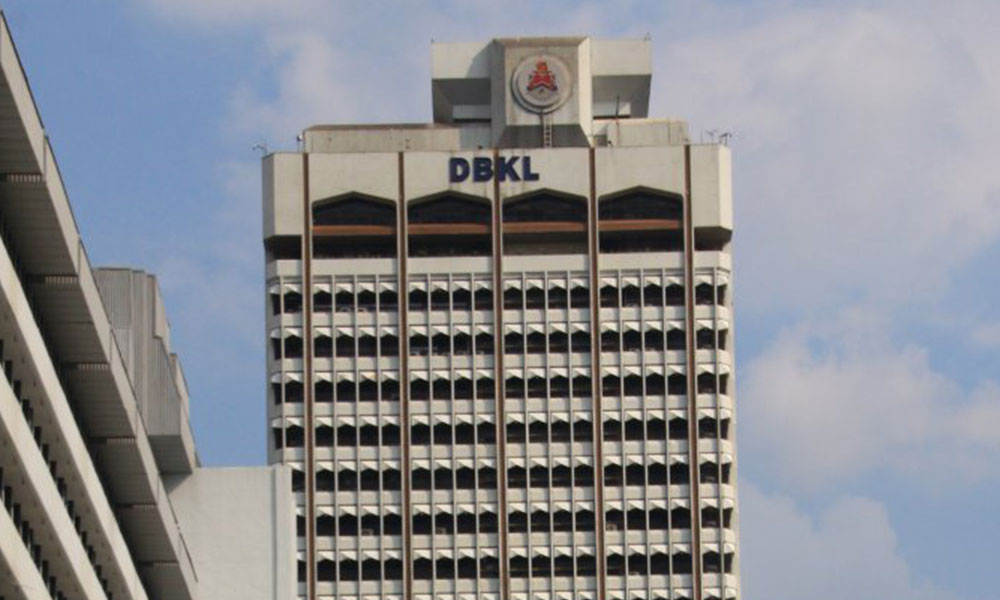
For over 10 years, the MNS has campaigned for the government to conserve the hills, to be gazetted in the Draft Kuala Lumpur Structure Plan 2040, although as one writer put it: “[...] the ambiguity over the hill’s status in the latest draft (of the plan) contrasts with the recognition of Bukit Persekutuan as an Urban Conservation Forest (UCF) accorded by the Kuala Lumpur City Hall (DBKL) in 2017.”
The nearby gardens, meanwhile, have been afforded protection, but they are only a manicured, curated version of nature without the established ecosystems. With all that being said, MNS applauded the draft’s protection of forested areas and/or green lungs as key carbon sinks during a City Hall focus group discussion in March.
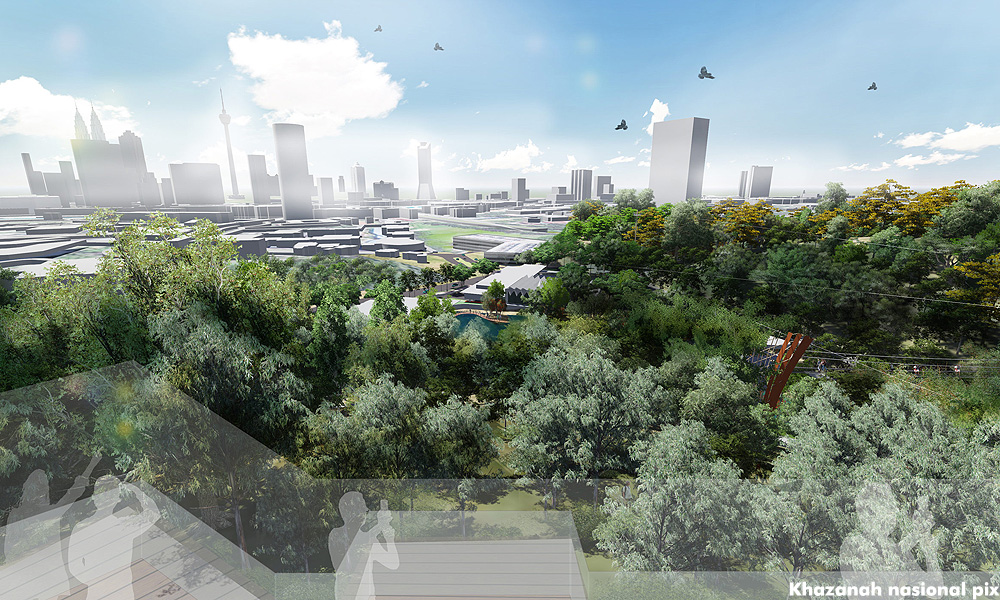
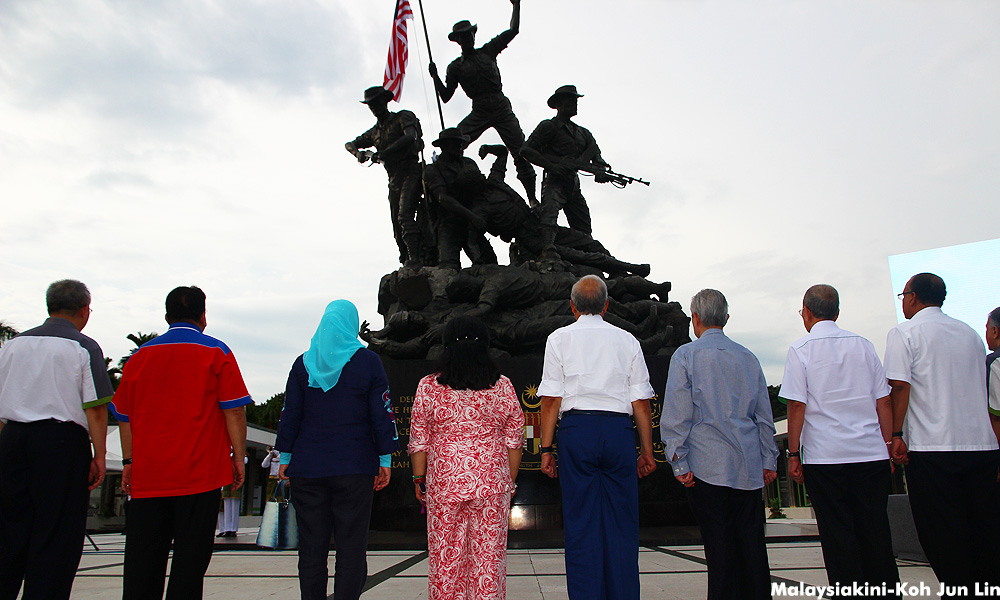
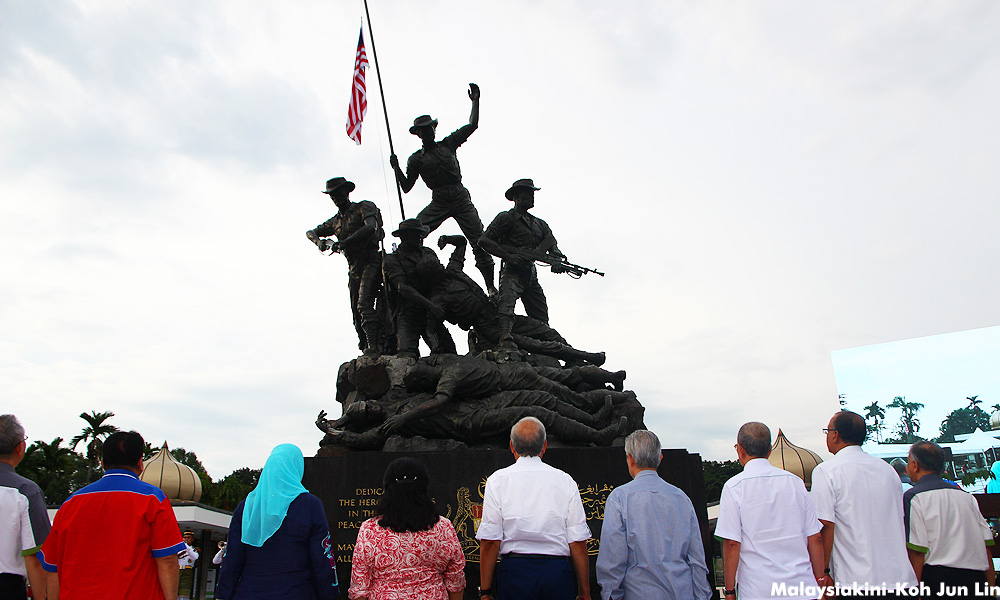
MNS’s suggestion is the creation of an accessible interconnected green space, which can be achieved by the right infrastructure. A bridge across the highway may be the solution: the creation of an interlinked area consisting of the Tugu Negara, the Lake Gardens, the Carcosa Seri Negara, and the parks. Even an area this small can provide immense benefits and support complex ecosystems, even though it would not be on the same scale as the national parks.
But with greater awareness and hence increased visits, what could this mean for the forest? The relative peace of the space is one of its unique attributes, and with more visitors, the possibility of damage exists. Yet it is possible to preserve the fragility of nature.
Commenting on the nature of the parks in the Canadian Rockies, Anik See reflects in Saudade on “the genius of keeping hundreds of thousands of tourists in a fragile national park bound to a stretch of asphalt 30 feet wide – bound without them realising it.”
It can be seen that development and conservation can go hand-in-hand, and they are not necessarily binary. But this requires us to look away from a technocratic, old-fashioned approach that we pursued under neoliberal auspices.
Such pursuits are short-term in their outlook: the costs of delaying action in the face of the climate emergency will be severe, as some have estimated.
All this will require transparency from the authorities and the far-sightedness of the city’s planners and developers, allowing Kuala Lumpur to move away from the idea of being just a “Garden City”, and towards being a “City in Nature”, an approach that Singapore is taking.
It may not be possible to preserve the forests of Bukit Persekutuan entirely, but it is possible to conserve them, creating a balance among the living beings of the city.
WILLIAM THAM WAI LIANG is an editor at Gerakbudaya and the author of two novels. His new novel, The Last Days, is set in 1981 and covers the continuing legacy of the Emergency. His first book, Kings of Petaling Street, was shortlisted for the Penang Monthly Book Prize in 2017.
The views expressed here are those of the author/contributor and do not necessarily represent the views of Malaysiakini.




Report this comment
Are you sure you want to delete this comment?
This action cannot be undone.