


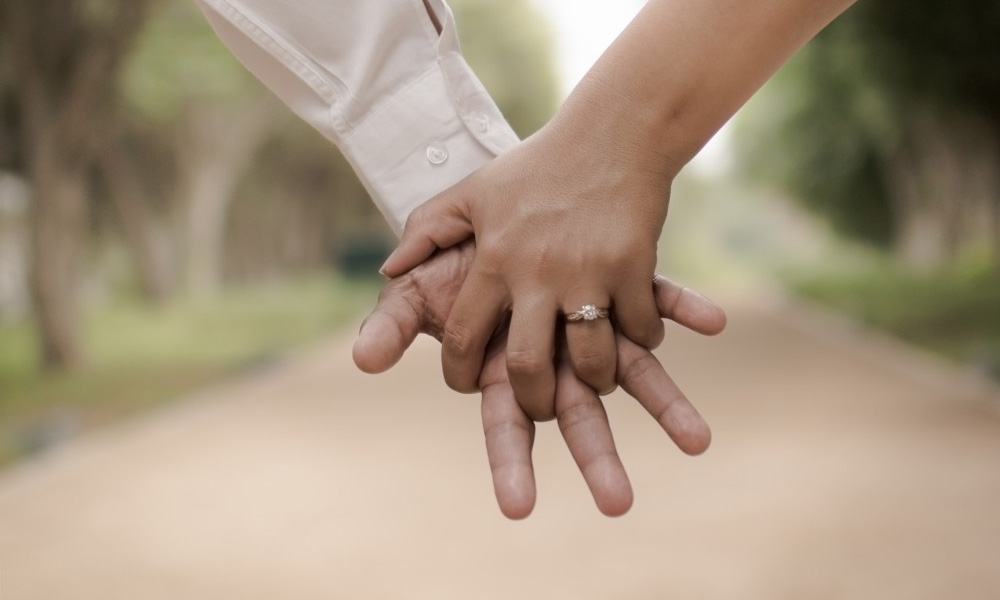

COMMENT | Interracial marriage key to reducing racism?
COMMENT | Filling in as desk editor, my job was to assign an intern to do a follow-up story. A senior journalist, however, told her outright she did not have to take my instructions. As the only Asian in the newsroom, I felt I was being ‘othered’. I was the ‘outsider’.
That happened in the late 80s when graffiti scrawled at bus stops and sprayed on public toilet doors declared Asian migrants were not welcomed in Western Australia.
But why?
My research led me to this term - “tall poppy syndrome”.
A Malaysian-Chinese entrepreneur I profiled in a front-page story explained that Asian migrants who ‘over-achieve in the company of mediocre would soon be cut down to size.
I suppose I stuck out like a sore poppy in the newsroom.
Irreverence for organisational hierarchy – and authority - is ingrained in the once former penal colony. The country and its predominantly white population, however, have moved on from the Immigration Restriction Act, introduced in 1901, which demonised the arrival of non-Europeans.
That White Australia policy was abolished in 1972 by the Labour government under Gough Whitlam. Successive federal governments have since legislated against racial vilification, hate speech and all forms of discrimination.
However, verbal abuse and random attacks on Chinese-looking residents during ...
COMMENT | Filling in as desk editor, my job was to assign an intern to do a follow-up story. A senior journalist, however, told her outright she did not have to take my instructions. As the only Asian in the newsroom, I felt I was being ‘othered’. I was the ‘outsider’.
That happened in the late 80s when graffiti scrawled at bus stops and sprayed on public toilet doors declared Asian migrants were not welcomed in Western Australia.
But why?
My research led me to this term - “tall poppy syndrome”.
A Malaysian-Chinese entrepreneur I profiled in a front-page story explained that Asian migrants who ‘over-achieve in the company of mediocre would soon be cut down to size.
I suppose I stuck out like a sore poppy in the newsroom.
Irreverence for organisational hierarchy – and authority - is ingrained in the once former penal colony. The country and its predominantly white population, however, have moved on from the Immigration Restriction Act, introduced in 1901, which demonised the arrival of non-Europeans.
That White Australia policy was abolished in 1972 by the Labour government under Gough Whitlam. Successive federal governments have since legislated against racial vilification, hate speech and all forms of discrimination.
However, verbal abuse and random attacks on Chinese-looking residents during past and present pandemics still endure in spite of continual public campaigns to combat racism.
Lately, the ban on inbound travel from India, including returning Australian citizens of Indian origin, is being perceived as the ‘othering’ of Indian communities during the pandemic, hence fundamentally ‘racist’, although some analysts argue otherwise.
Racism, however it is defined, is more nuanced than black and white. It is felt as real and raw to the victim as it is denied and disputed by the perpetrator.
The senior journalist I cited earlier could be a casual racist, a tall poppy cutter. Or, stupidly, he was just pulling ranks for a good laugh?
My newsroom experience, however, pales in comparison to what other marginalised communities face daily in white-majority countries.
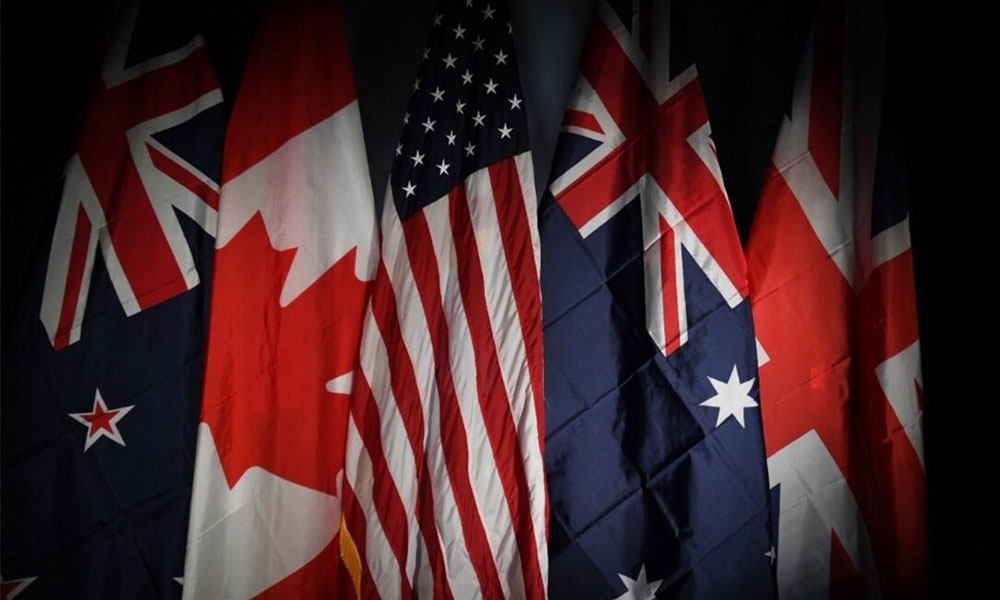
From the Netherlands and Spain to the United Kingdom and the United States, racism and its derivatives, ‘casteism’ and ‘classism’, are core to the social, cultural and political history of former colonisers, which, as some academics argue, evidently continues in current international relations.
The non-West is not completely free of racial blind spots either. From the Arab countries and India to Japan, China and South Korea, ‘racial othering’ is as common as anti-black and anti-coloured are pervasive in the West.
A world values survey of 80 countries in 2013 found that Asian countries were among the most intolerant of other ethnicities with wide variations across Europe. Eight years on, not much has changed.
The degree of tolerance was gauged by the respondents’ choice of preferred neighbours by race and ethnicity.
Yes, we knowingly or unknowingly express our racial attitudes in our language and side-glances that set other groups apart. Inclusive language matters.
Half-full glass
What else can practically change our attitudes “when even helping someone” can be politicised and turned into a racial issue?
Interracial marriage. Yes, marrying out of one’s culture and racial roots.
(My son and daughter are married to non-Chinese partners. Our occasional engagements with the in-laws, our respective idiolects, the fusion of food and customs, have prompted us to rethink some cultural assumptions we hold of the ‘other’).
Interracial marriage in Malaysia is relatively rare (nine percent in 2018 compared to 22 percent in Singapore) - probably due to parental objection and racial stereotypes rather than spouse incompatibility.
I came across this research by two Malaysian academics, albeit dated, who concluded that while interracial marriage could contribute to social cohesion in general, it was hampered by “intervention from a third party within the family circle, stereotype and prejudice by mainstream society, and legislative and bureaucratic dilemma”.
Core to this “third party intervention” is the mandatory conversion to the partner’s religion be it Islam or Christianity. In the Malaysian context, interracial marriage becomes interreligious as well.
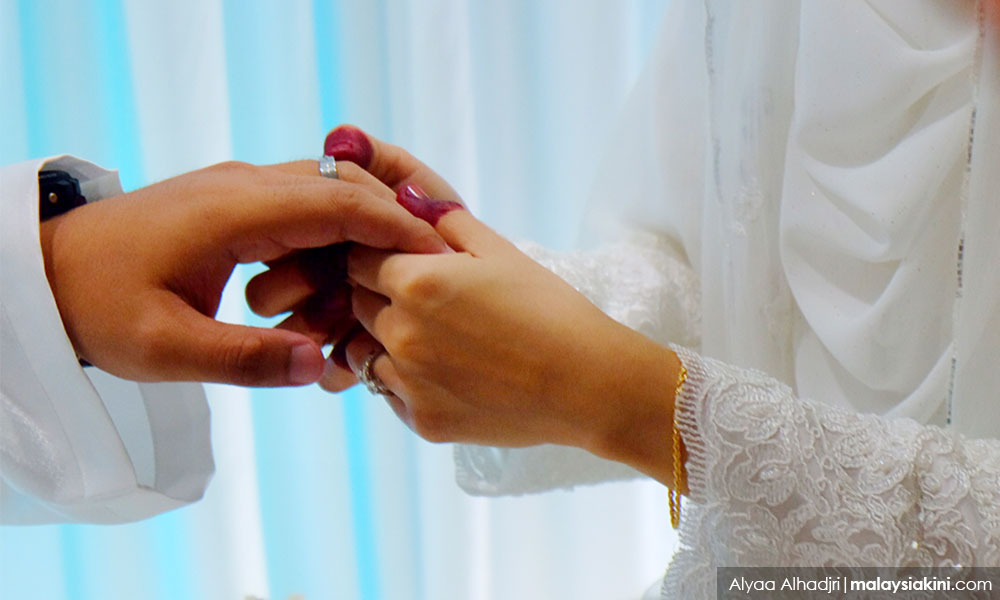
The Malaysian Islamic law that requires non-Malays to convert to Islam makes a Malay-Chinese (or Indian) marriage highly controversial with regard to religion, cultural identity and traditions.
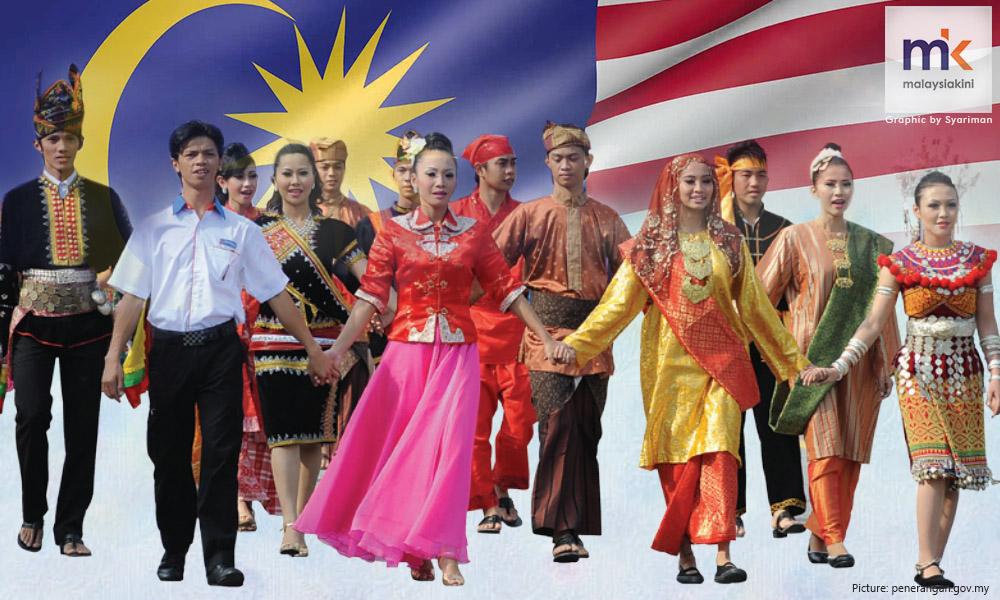
The study points out that communities in East Malaysia, being “more fluid and diverse”, do not as yet view interethnic marriage “as a threat to its social structure” compared to the peninsula where Malay, Chinese, Indian and other ethnic classes are distinctly divided along socio-economic and political lines.
“The four ethnic categories system as implemented in Peninsular Malaysia does not translate well in the practical realm on everyday life, especially where interethnic marriage is concerned,” it said.
As such, interracial marriage will remain a novelty as long as legislation, be it civil or Islamic family law, the family and wider society do not see ethnic groups to be of equal standing.
Nevertheless, growing up with friends of different ethnicities, I see a glass half-full.
As more individuals from different ethnicities begin to engage socially, committed courtship leading to marriage may just happen.
And with more interracial marriages, we may just come to embrace what once was deemed as ‘socially unacceptable’ in courtship.
ERIC LOO is the founding editor of the academic journal Asia Pacific Media Educator.
The views expressed here are those of the author/contributor and do not necessarily represent the views of Malaysiakini.




Are you sure you want to delete this comment?
This action cannot be undone.