



COMMENT | Some other elements of recovery
COMMENT | With the extended MCO still proceeding and the resigned acceptance of mounting case numbers, the optimism and stoicism that seemed to accompany last year have been fast deteriorating into open despair and resignation.
A lot has been written about the seeming hopelessness, but by and large, what exactly can be done at a grassroots level? Much of the population in the Klang Valley region has been atomised, to borrow Hannah Arendt’s term, sequestered in individual units under the stay-at-home orders, where the prospects for the post-recovery plans feel bleak even after the outlining of new economic plans and continued daily texts from the authorities.
Previously, I looked at a food aid programme in the context of grassroots movements and food security, but this article looks more closely at some other elements of recovery, particularly the performing arts.
They have traditionally been and still are regarded as non-essential areas – an elite preserve, without the immediate direct economic impacts of agriculture, higher education and manufacturing.
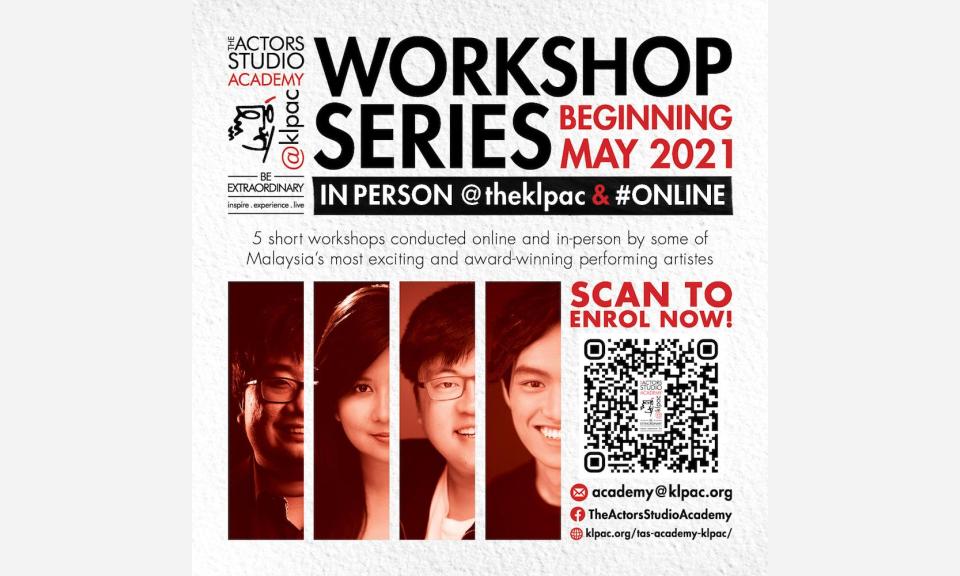
In an open letter written by Faridah Merican of the Kuala Lumpur Performing Arts Centre, republished on Eksentrika, she described the state of the centre, its cash reserves – which have dropped to RM5,000 at the time of publication – and the livelihoods of its employees, spelling out in great detail the steps taken over the past year to avert financial collapse and the question that remains: “whether [Malaysia] still wants the arts to be part of the local landscape”...
COMMENT | With the extended MCO still proceeding and the resigned acceptance of mounting case numbers, the optimism and stoicism that seemed to accompany last year have been fast deteriorating into open despair and resignation.
A lot has been written about the seeming hopelessness, but by and large, what exactly can be done at a grassroots level? Much of the population in the Klang Valley region has been atomised, to borrow Hannah Arendt’s term, sequestered in individual units under the stay-at-home orders, where the prospects for the post-recovery plans feel bleak even after the outlining of new economic plans and continued daily texts from the authorities.
Previously, I looked at a food aid programme in the context of grassroots movements and food security, but this article looks more closely at some other elements of recovery, particularly the performing arts.
They have traditionally been and still are regarded as non-essential areas – an elite preserve, without the immediate direct economic impacts of agriculture, higher education and manufacturing.
In an open letter written by Faridah Merican of the Kuala Lumpur Performing Arts Centre, republished on Eksentrika, she described the state of the centre, its cash reserves – which have dropped to RM5,000 at the time of publication – and the livelihoods of its employees, spelling out in great detail the steps taken over the past year to avert financial collapse and the question that remains: “whether [Malaysia] still wants the arts to be part of the local landscape”.
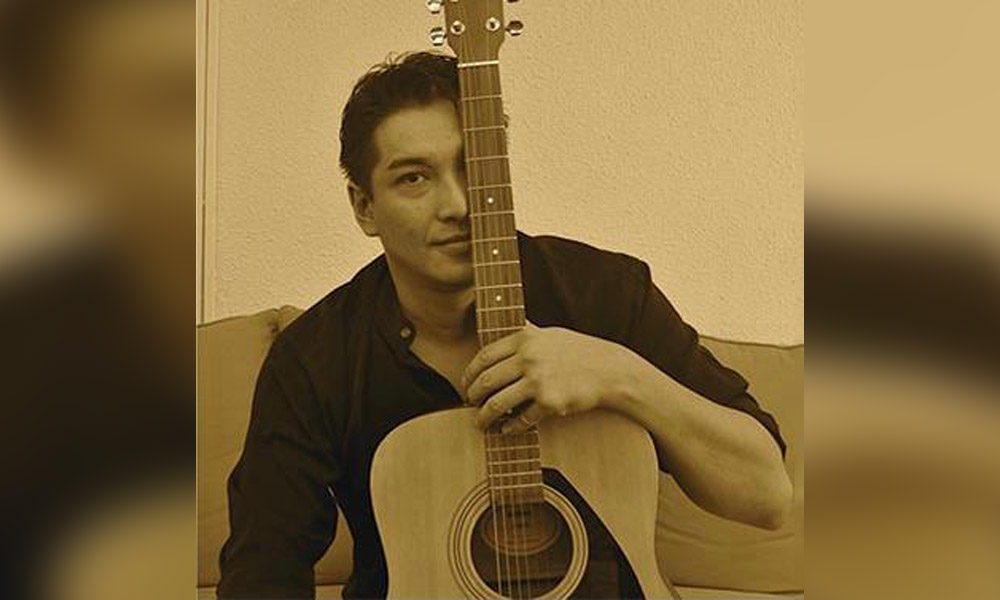
The performing arts have been particularly vulnerable, with predicaments such as that of Ross Arifin, as reported in the New Straits Times. Penang-based fingerstyle guitarist Leon Thum (above), is in agreement with the points Ross has raised and can attest to them.
At the same time, Thum outlines other factors hampering recovery, in particular the “speed in which information, allocation and vaccination are disseminated ... The conduit from government to agencies to the eventual recipient seems to be lagging or clogged”.
It may be instructive to look at experiences outside the Klang Valley, given that with different regulations in different states, the recovery process is now subject to more variations.
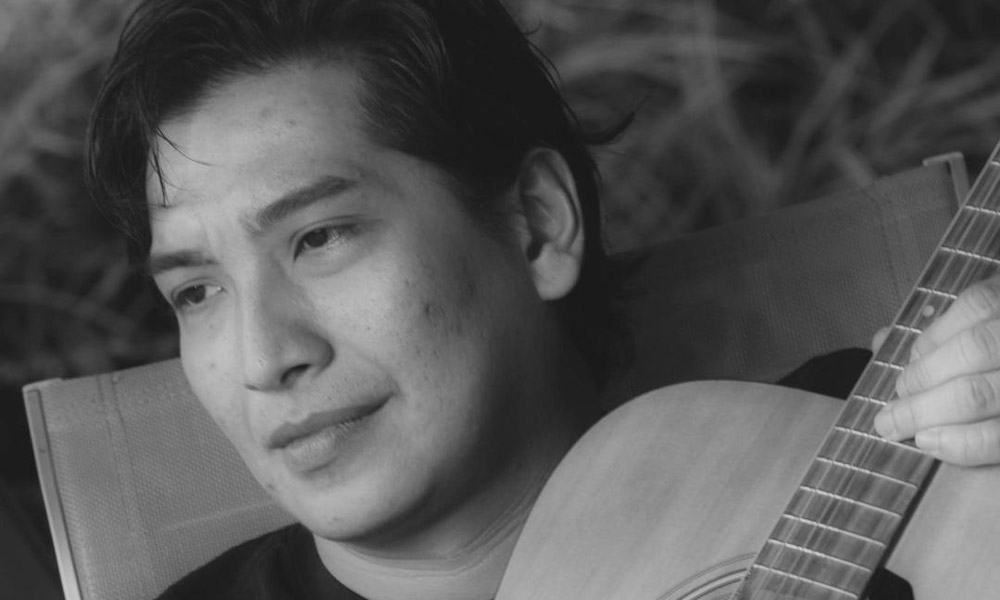
Thum, based in George Town, occupies two worlds that have been heavily affected. Aside from his work as a musician, he also runs Kim Haus, formerly a family-run jewellery outlet transformed into a hostel and performance venue, located on the historic Campbell Street within the city’s heritage zone.
Normally bustling, more than a year of uncertainty has seen low numbers of visitors and the near absence of public performances, adding to his ongoing challenges in covering his own cumulative losses from flight and hotel bookings in the wake of the cancellations of his tours and performances.
Initially, during the first MCO when there was an air of optimism and some hope for a successful recovery, Thum recalled “a brief moment when the public was still supporting artistes during their online shows and live streams”, but this has vanished with the need for greater regulation of personal finances in a slowing economy.
In his case, two aspects are crucial to enabling a successful recovery: the availability of vaccinations, and subsequently, the ability to travel.
For now, Thum’s own work continues alone or in collaboration, albeit remotely – primarily through his Naga Guitar Studio while also nurturing the Malaysian Acoustic Guitar Guild (MAGG), a society primarily set up to help the woes of fellow professional acoustic guitarists, including the establishment of a mobile studio through which his own album, Aurora, and that of the young musicians who participated in the studio.
There is a seeming return to a state of normalcy in Penang, with the lifting of some of the harshest measures in recent days.
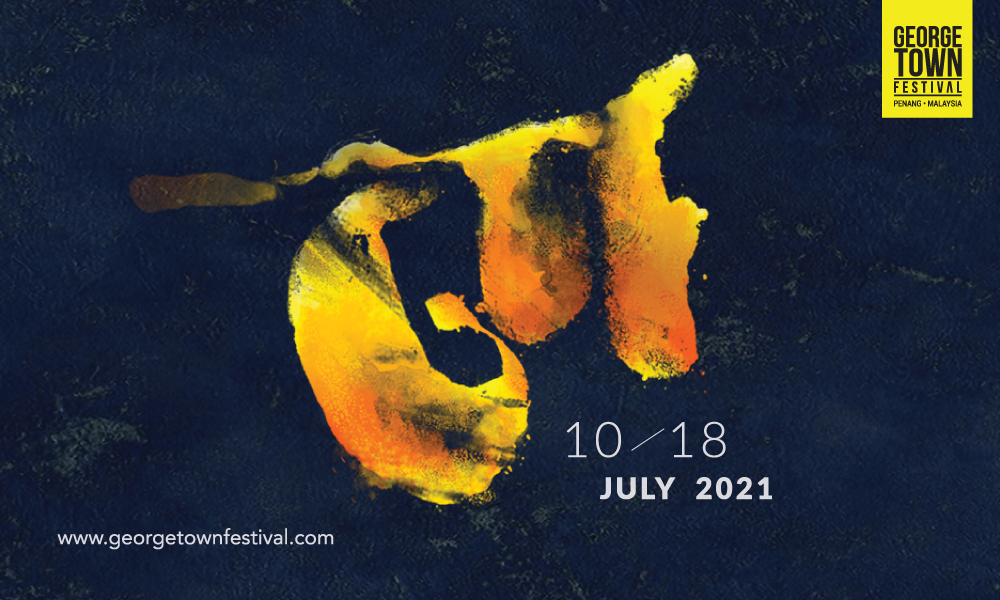
This would also mean the possible continuation of events such as the George Town Festival, which had been planned with a mix of in-person and virtual events (the latter are still going ahead as per their schedule), in which public support for the arts is crucial.
Thum sees such local support as the key to the future survival of the arts, in addition to the generous aid being provided through government grants, such as Cendana – although the deployment of state aid is subject to delays caused by its bureaucratic nature. He opines that there may be a two-pronged issue at play, the roots of which were already in place before Covid-19:
The digitisation of music has not been able to benefit much from the technologisation of its consumption, which has benefitted listeners much more. Digital download, although touted as a channel of income, does not pay much in practice.
Primarily, older forms of music production (such as burning CDs, touring and selling merchandise) were significant sources of income, all of which are now fractured. The first has become largely irrelevant, and the others hampered by the current restrictions. Today, these channels are fractured, with most not even owning a CD player and the inability of musicians to go on tour.
Technologisation may have opened opportunities, but at the same time it has shut down previous ones.
In this case, what are the solutions? To Thum, a switch in the medium may be necessary, perhaps a matter of “changing or adding another medium of packaging artwork, for example, an album packaged in a USB stick or something to the effect, like live streaming as a new norm.”
The necessity of relying on the Internet is also key: “for exposure, adapt to changes and redevelop your identity. Without the arts, society is just a shade of black and white.”
Meanwhile, Terence Toh, winner of two recent Boh Cameronian Arts Awards for his work in theatre, notes a more pessimistic atmosphere in terms of the current state of the arts (although there is still hope for a turnaround in the future): “a lot of arts practitioners have had their livelihoods affected. Something needs to be done – or the industry risks dying out.”
This could take the form of allowing shows to continue – perhaps this could be in line with the suggestions outlined in Faridah’s open letter – and the provision of further funding through grants, financial support and public attendance can go a long way towards sustaining the scene.
As a writer and editor by trade, he misses the theatre, and for now, is constrained to “mostly just writing things that I hope will be staged in future.”
Beyond the immediate necessity of providing healthcare services in overburdened jurisdictions, the distribution of food and economic aid to hard-hit communities, this urgency highlighted in the organisation of the "Bendera Putih" (White Flag) movement (the choice of name is telling in the loss of optimism from last year’s “Kita Jaga Kita”, which was eventually co-opted by the authorities, thus losing much of its own power), the availability of resources is strained.
In the middle of this, the niches occupied by the performing arts are especially slim.
Potential resources listing options for help, for both food aid and the arts, include:
A homegrown map to facilitate direct food and financial aid via Kita Jaga Kita,
Food bank listing in the Smart Local, and
Eksentrika’s #BenderaPutih listing of affected arts & culture organisations and individuals.
WILLIAM THAM WAI LIANG is an editor at Gerakbudaya and the author of two novels. His new novel, The Last Days, is set in 1981 and covers the continuing legacy of the Emergency. His first book, Kings of Petaling Street, was shortlisted for the Penang Monthly Book Prize in 2017.
The views expressed here are those of the author/contributor and do not necessarily represent the views of Malaysiakini.
/file/publisher-c1a3f893382d2b2f8a9aa22a654d9c97/2021/07/b4a5465823cce3f639ce96b2eeddb0f3.jpg)
/file/publisher-c1a3f893382d2b2f8a9aa22a654d9c97/2021/04/6508cfa6aca271e8b0fad4d99b1bec45.jpg)


Report this comment
Are you sure you want to delete this comment?
This action cannot be undone.