


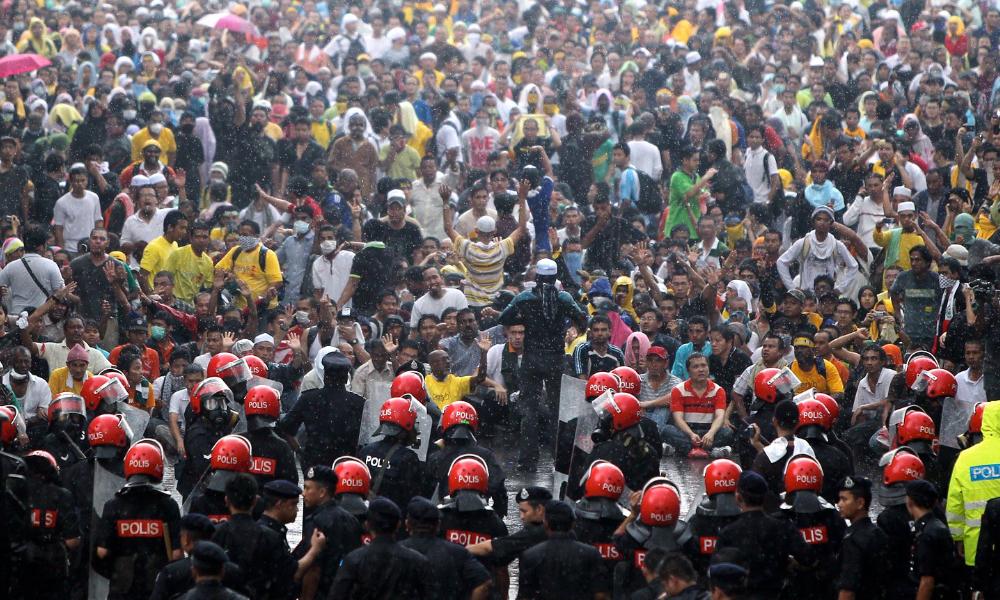

COMMENT | Reflecting on Bersih 2.0
COMMENT | Last week was the 10th anniversary of the Bersih 2.0 rally. Although I shared some of my memories of the rally on social media, I decided to take some time to reflect on the public demonstration before penning this article.
For the uninitiated, on July 9, 2011, tens of thousands of Malaysians from all walks of life descended upon Kuala Lumpur for the Bersih 2.0 public protest.
Unlike the first Bersih protest, Bersih 2.0 was organised by the Bersih 2.0, an organisation that was not comprised of any political party.
The organisers listed eight demands for free and fair elections. They included the clean-up of electoral rolls, use of inedible ink, reform postal voting, setting a minimum of 21 days for campaigning period, free and fair access to the mainstream media, among their demands.
They also wanted the strengthening of public institutions, end of corruption, and putting an end to ‘dirty politics’...
COMMENT | Last week was the 10th anniversary of the Bersih 2.0 rally. Although I shared some of my memories of the rally on social media, I decided to take some time to reflect on the public demonstration before penning this article.
For the uninitiated, on July 9, 2011, tens of thousands of Malaysians from all walks of life descended upon Kuala Lumpur for the Bersih 2.0 public protest.
Unlike the first Bersih protest, Bersih 2.0 was organised by the Bersih 2.0, an organisation that was not comprised of any political party.
The organisers listed eight demands for free and fair elections. They included the clean-up of electoral rolls, use of inedible ink, reform postal voting, setting a minimum of 21 days for campaigning period, free and fair access to the mainstream media, among their demands.
They also wanted the strengthening of public institutions, end of corruption, and putting an end to ‘dirty politics’.
There was a tense air throughout the country in the days leading up to the protest. The government did not want the demonstration to take place and did all they could to stop people from coming to Kuala Lumpur.
This included roadblocks into KL and searches of cars coming into KL a few days before the rally. The government raised the spectre of riots and inconvenience to city dwellers and business owners where the rally was supposed to take place.
At the time, I was a young lawyer who only a few years before, started dabbling in activism through the Malaysian Bar Council. Although I identified with Bersih 2.0's demands, I was not ‘brave’ enough to participate in Bersih 2.0.
However, I personally agreed with the eight demands and, more importantly, I believed in the fundamental freedom of peaceful assembly without arms as enshrined in the Constitution.
As such, I participated in the Bar Council’s Monitoring Team for the Bersih 2.0 rally. The Bar Council sent a team of lawyers on the ground to monitor the rally. The lawyers in the team were not allowed to participate in the demonstration itself, nor were they permitted to show any form of support to the rally.
All we were supposed to do was to monitor the demonstration and prepare a report to the Bar Council.
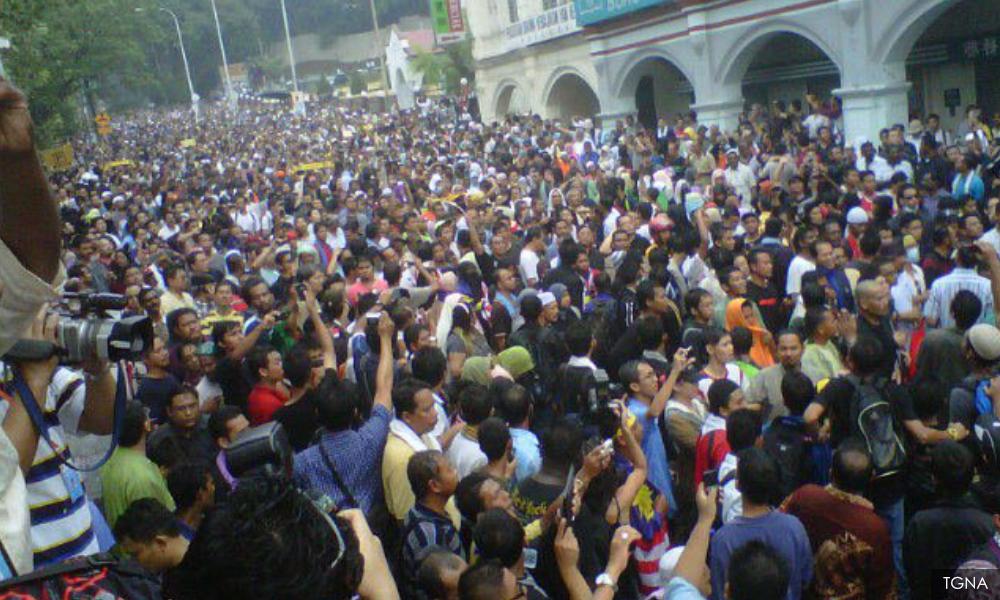
It was the first time that I witnessed a major public demonstration with my own two eyes. I saw the Federal Reserve Unit lines, I saw the protesters clad in yellow, and I also saw how protesters were arrested by the authorities.
There were blood, sweat, tears, smoke, and water cannons that day.
What happened on July 9, 2011, has been well documented. The Bar Council prepared a report based on the observations of the Monitoring Team. The demonstration was also the subject of a Suhakam inquiry, which found that several human rights breaches had occurred during the rally.
Malaysia was very different in 2011. It was three years after the historic 2008 general election, where the ruling BN coalition could not retain its two-thirds majority in the Dewan Rakyat. The rakyat was empowered and civil society movements flourished as Malaysians became more aware of their rights as citizens of this country.
What happened in the streets of Kuala Lumpur that day was a contestation between a state that was clinging to the old ways of doing things, suppressing dissent, curbing liberties, and a heavy-handed approach to public rallies - all that against a more emboldened citizenry.
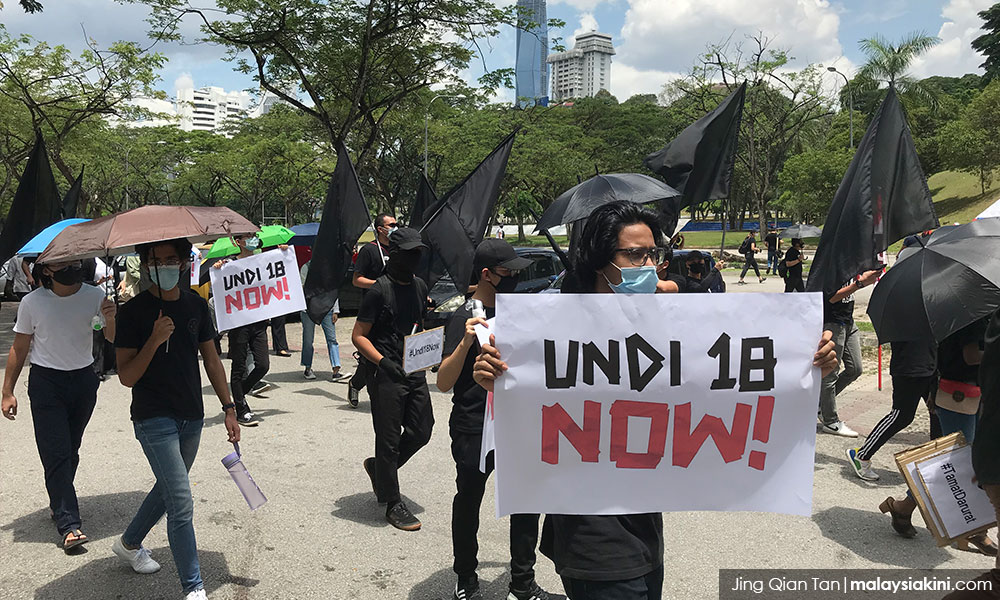
What has changed since Bersih 2.0? For one, the authorities have realised that they could no longer approach public rallies the same way. It took several more major rallies for the authorities to change their ways, but by the time Bersih 5 in 2016 and the Icerd rally in 2018 came around, the police facilitated rather than tried to prevent the exercise of peaceful assembly.
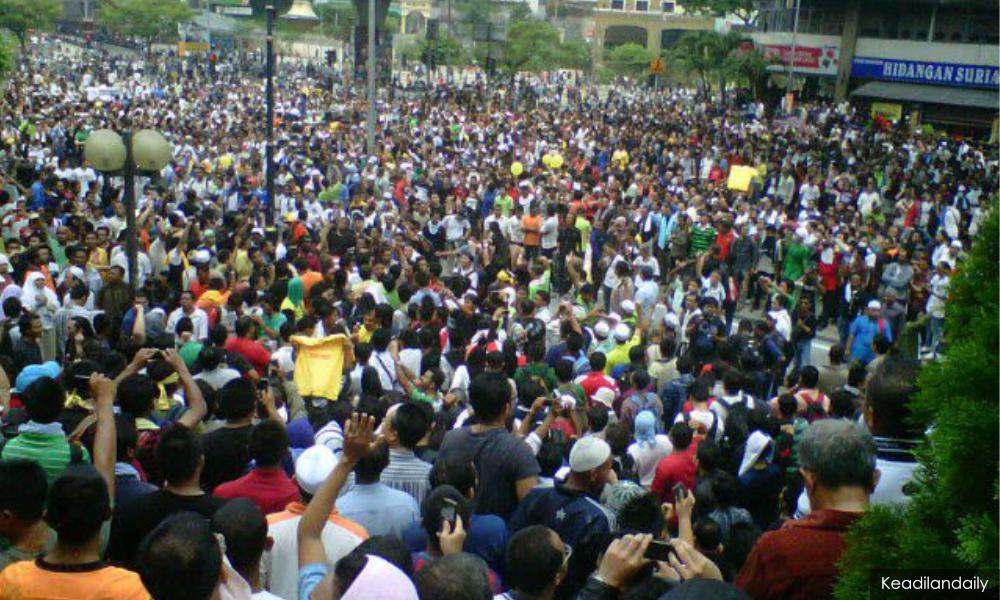
Politically, Malaysia went through an upheaval in the past 10 years. Malaysians were governed by three different coalitions in the past 10 years, and two general elections took place. A new generation of voters also emerged, who were too young to take part in Bersih 2.0 at the time.
But despite these changes, the road to making Malaysia into a ‘sovereign democratic and independent state founded upon the principles of liberty and justice and ever seeking the welfare and happiness of its people and the maintenance of a just peace among all nations’ is still long and wrought with challenges.
And just like those protesters who got up and kept at it even though they were tear-gassed in 2011, we too must keep fighting even with all the challenges that we face.
SYAHREDZAN JOHAN is a civil liberties lawyer and political secretary to Iskandar Puteri MP Lim Kit Siang.
The views expressed here are those of the author/contributor and do not necessarily represent the views of Malaysiakini.


Report this comment
Are you sure you want to delete this comment?
This action cannot be undone.