


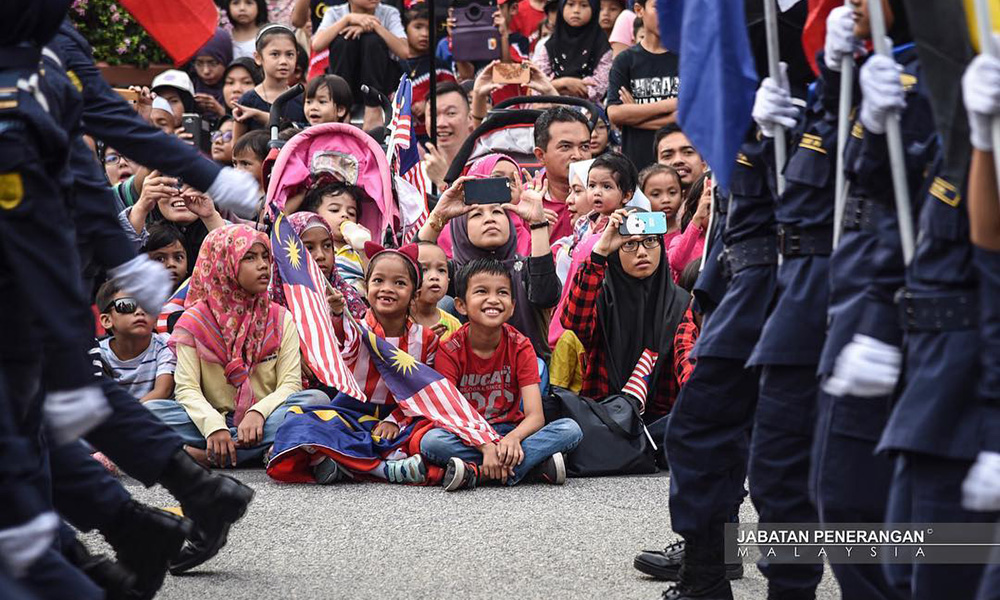

COMMENT | Malaysia needs to hit the hard reset
COMMENT | It is time for a reset. A rebooting of the nation.
In 1957, the Federation of Malaya became independent of Britain. Leaders of the three main communities and the Malay rulers sealed a compact that was encapsulated in the Federal Constitution,
We remember our first prime minister Tunku Abdul Rahman resplendent in traditional dress and headgear extending his right arm and proclaiming Merdeka seven times.
We remember how proudly we as young students lined the streets shouting Merdeka.
We remember how proud our fathers and mothers were to serve the independent nation. They were teachers, civil servants, engineers, doctors, lawyers, judges, surveyors, veterinary surgeons, farmers, fishermen, rubber tappers and many others who made up this fledgling nation.
We remember how we all helped build this nation together. The photographs taken of that time depict the then reality of diversity in leadership and mutual respect.
Yes, we had rural poverty and labour was exploited in plantations and elsewhere.
That was the colonial legacy.
But we were proud to be Malayans first.
And then after 1963 as Malaysians first.
In September 1963, Malaya, Singapore, Sabah and Sarawak came together as the Federation of Malaysia. Singapore left Malaysia in 1965 to become an independent nation. The basis on which Sabah and Sarawak joined Malaya was set out in the Malaysia Agreement of 1963 (MA63).
We progressed rapidly as an independent nation but following some disturbances after the general elections on May 12, 1969, the decision was made to embark on a social engineering exercise with twin objectives of eradicating poverty without regard for race and of removing the identification of race with location and with economic function. That was the New Economic Policy (NEP).
The NEP was a good thing in the formulation.
There were significant gains made under the NEP. A huge Malay middle-class came into being, comprising professionals, civil servants, military personnel, teachers, academics and businessmen.
But we took a wrong turn somewhere...
COMMENT | It is time for a reset. A rebooting of the nation.
In 1957, the Federation of Malaya became independent of Britain. Leaders of the three main communities and the Malay rulers sealed a compact that was encapsulated in the Federal Constitution.
We remember our first prime minister Tunku Abdul Rahman resplendent in traditional dress and headgear extending his right arm and proclaiming Merdeka seven times.
We remember how proudly we as young students lined the streets shouting Merdeka.
We remember how proud our fathers and mothers were to serve the independent nation. They were teachers, civil servants, engineers, doctors, lawyers, judges, surveyors, veterinary surgeons, farmers, fishermen, rubber tappers, and many others who made up this fledgling nation.
We remember how we all helped build this nation together. The photographs taken of that time depict the then reality of diversity in leadership and mutual respect.
Yes, we had rural poverty and labour was exploited in plantations and elsewhere.
That was the colonial legacy.
But we were proud to be Malayans first.
And then after 1963 as Malaysians first.
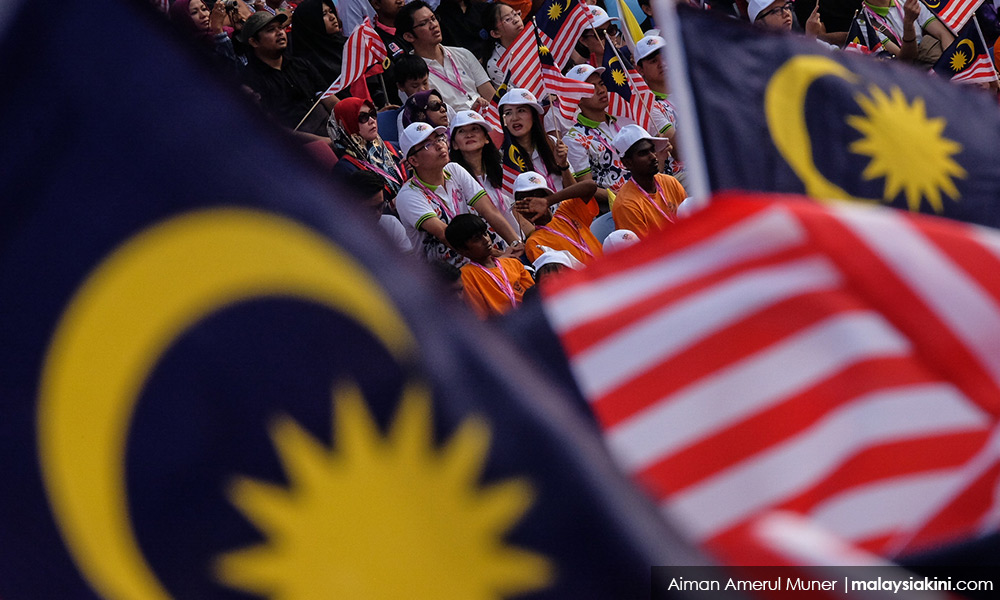
In September 1963, Malaya, Singapore, Sabah and Sarawak came together as the Federation of Malaysia. Singapore left Malaysia in 1965 to become an independent nation. The basis on which Sabah and Sarawak joined Malaya was set out in the Malaysia Agreement of 1963 (MA63).
We progressed rapidly as an independent nation but following some disturbances after the general elections on May 13, 1969, the decision was made to embark on a social engineering exercise with the twin objectives of eradicating poverty without regard for race and of removing the identification of race with location and with economic function. That was the New Economic Policy (NEP).
The NEP was a good thing in the formulation.
There were significant gains made under the NEP. A huge Malay middle-class came into being, comprising professionals, civil servants, military personnel, teachers, academics and businessmen.
But we took a wrong turn somewhere.
Is there hope for us?
Some politicians decided that Ketuanan Melayu was the way to go. PAS supreme leader said that non-Malays should not be in the cabinet or hold senior positions in government. They tried to turn us against each other. Biro Tatanegara (BTN) conditioning was deemed necessary to support and justify exclusion and separation.
Non-Malays numbers in the civil service and the armed forces dwindled dramatically. And Chinese children moved in droves to Chinese vernacular schools. And many left the country fearing an unequal future or attracted by higher-paying jobs elsewhere. We were becoming increasingly racially polarised.
We were steadily growing together in the early years. We were growing together as Malaysians. Then sadly we began to grow apart. Largely because of extreme political rhetoric and policies that divided us.
Leaders generally felt that it was their duty to look after constituents of their own race. Minorities with no political clout or economic influence languished on the fringes. Exclusive enclaves were created for the Malays and the bumiputeras.
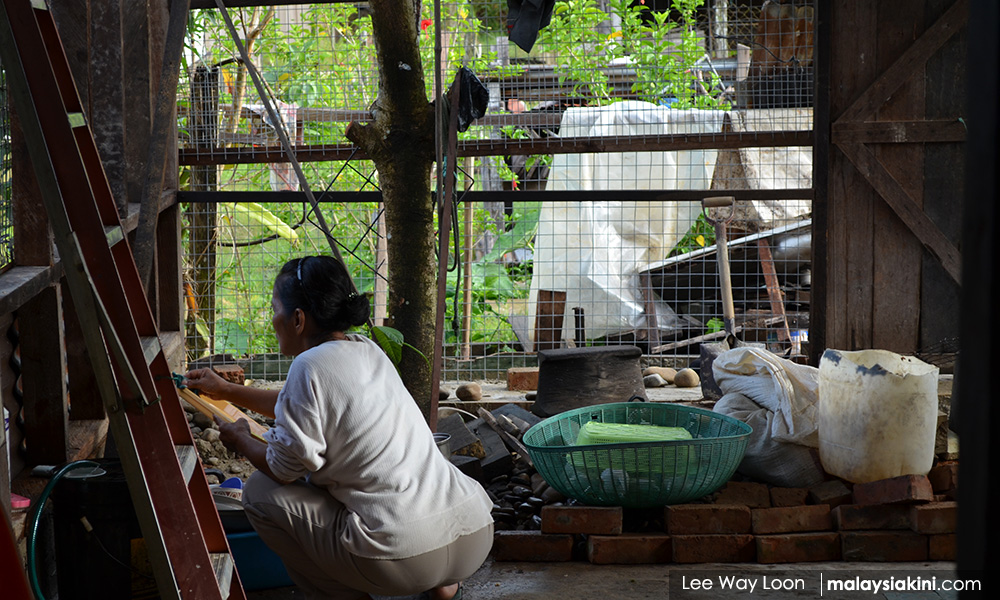
The plight of the Orang Asli and Orang Asal did not seem to matter. And Sabahans and Sarawakians wondered why they ever joined Malaysia. And now, they assert their rights for greater autonomy as set out in MA63.
We have a substantial number who are poor, about 2.5 million, taking the government's measure of poverty. It could be more if the measure was higher as many think it should be and the pandemic has pushed many more into poverty.
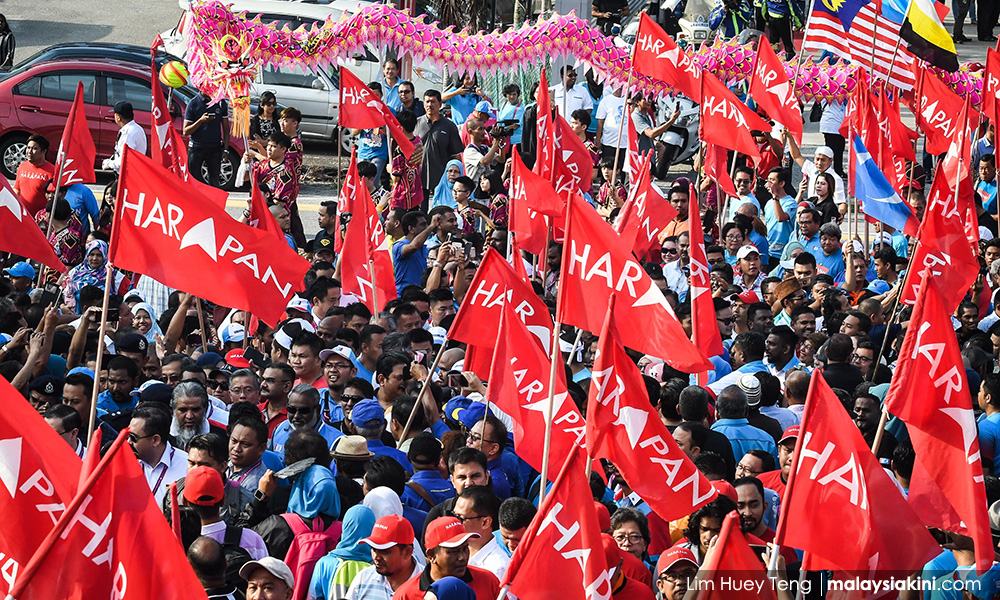
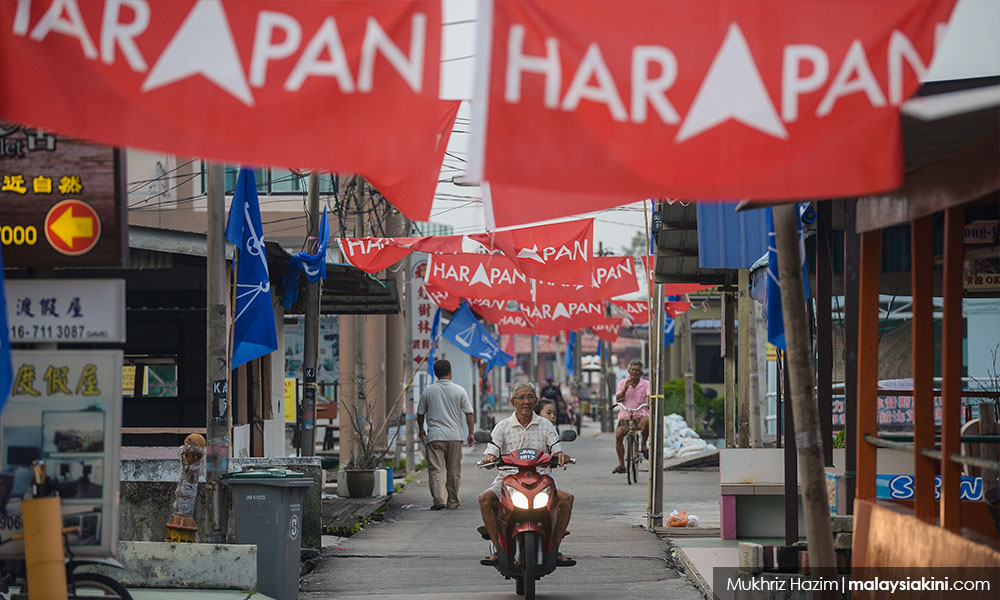
The Pakatan Harapan government, conceived with great hope and received with great joy and expectation, ended up in shambles. It was a betrayal of the rakyat. Committed reforms were not undertaken and in the end, Dr Mahathir Mohamad resigned as prime minister - a move that shocked everyone - and Muhyiddin Yassin took over.
The shenanigans of our politicians since the Sheraton Move have left many cynical and disillusioned.
The last one and a half years have been terrible with the pandemic, the lockdowns and the turbulent politics as Muhyiddin’s government propped up with a razor-thin majority struggled to stay in power. In the end, he resigned.
The focus of politicians in the last few years tragically was not on the well-being of the people. And the people, especially the poor, suffered.
So today, the questions are being asked everywhere: Is there hope for us? Is the country a failing state? Is there a future for non-Malays in the country? Does anyone care for the poor? Are there statesmen among us who will arrest the downslide and take us forward and upward? Or is it going to be business as usual?
Game-changer
But can it be business as usual?
Surely not after 1MDB and the huge losses sustained by the nation. And the havoc caused to the economy by the pandemic and the lockdowns. Credit rating agency Fitch Ratings has projected zero growth for this year.
There is a need for caution and prudence. Our debts are high. Our finances will be stretched and borrowing will be expensive. And debts will have to be serviced and repaid. The day of reckoning will come.
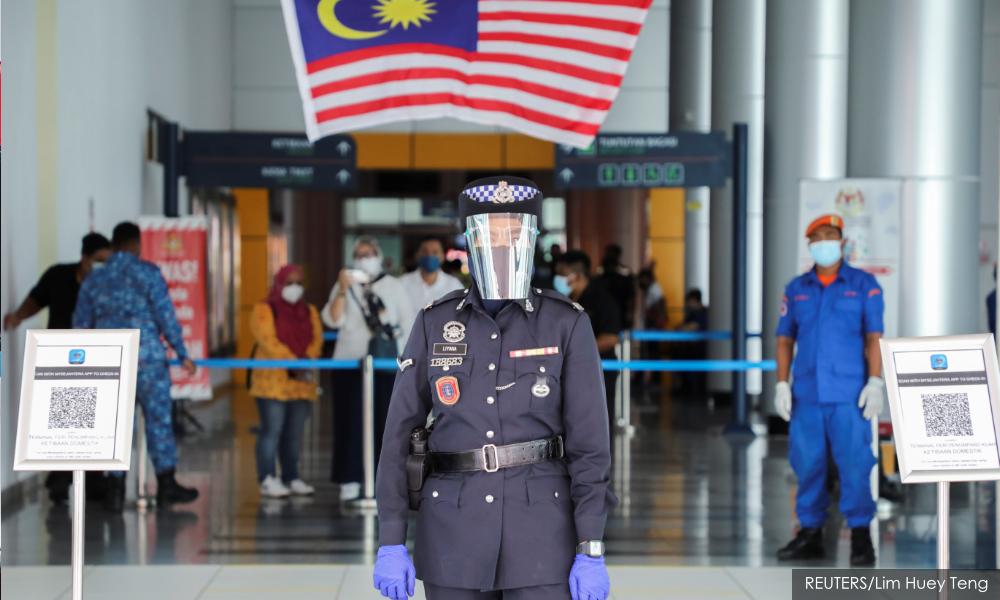
Paradoxically, the pandemic has brought people together. There is great appreciation for the work of the frontliners. Our vaccination rollout is impressive even though we got off to a slow start. Scores of NGOs and charitable organisations and thousands of volunteers bring food and groceries and other aid to the poor.
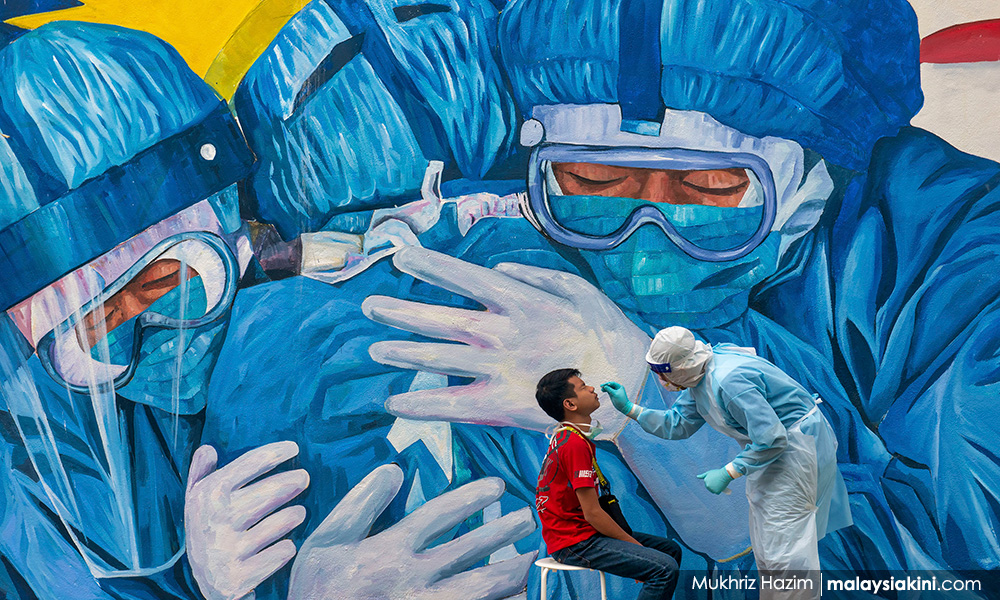
The experience of the pandemic and the realisation that we need to be there for each other may be the game-changer in our politics and the future of our nation. There is evidence of people coming together during the pandemic, transcending race and religious differences.
Civil society groups rallied. There is the work done by PSM - the only opposition political party to come out with alternative proposals to help the people during this period of crisis. Consider the Social Inclusion Bill formulated by Saya Anak Bangsa Malaysia (SABM) and adopted by PSM in its manifesto.
There are initiatives like Lawan, Tindak and others. There are vigorous discussions taking place on the internet as to how bad things are and as to how things should be. The king has tried to get politicians to come together to bury their differences and to work for the common good. The promised reforms as agreed between the government and Harapan will have a good effect. More will be required.
Former banker Nazir Razak calls for a holistic review of the national compact. Both Nazir Razak and ex-Treasury secretary-general Mohd Sheriff Kassim say it is time for a review of the NEP to make its objectives needs-based and not race-based. Economist Terence Gomez calls for regulation of political funding, seeing it as the seed of corruption. All agree that corruption is the root of everything that is bad in this country.
There are calls for the revamping of our education system - better trained and better-paid teachers, a curriculum that prepares students for the workplace with more emphasis on the core subjects, with bridges built between universities and the commercial and industrial sectors. English language proficiency will give us easier and speedier access to knowledge. And we need students who think critically and creatively. Education must also be designed to build leadership and character.
Fresh ideas needed
No doubt, there is gloom, despair, anxiety but these are intermingled with some hope and some optimism.
Ultimate hope lies with the young. Will the young rise to bring about change? There are more than seven million young people who will be able to vote come GE15. Will they register to vote and will they vote? Do they appreciate the power of their vote? Do they see the correlation between the people they vote into power and the state of the nation?
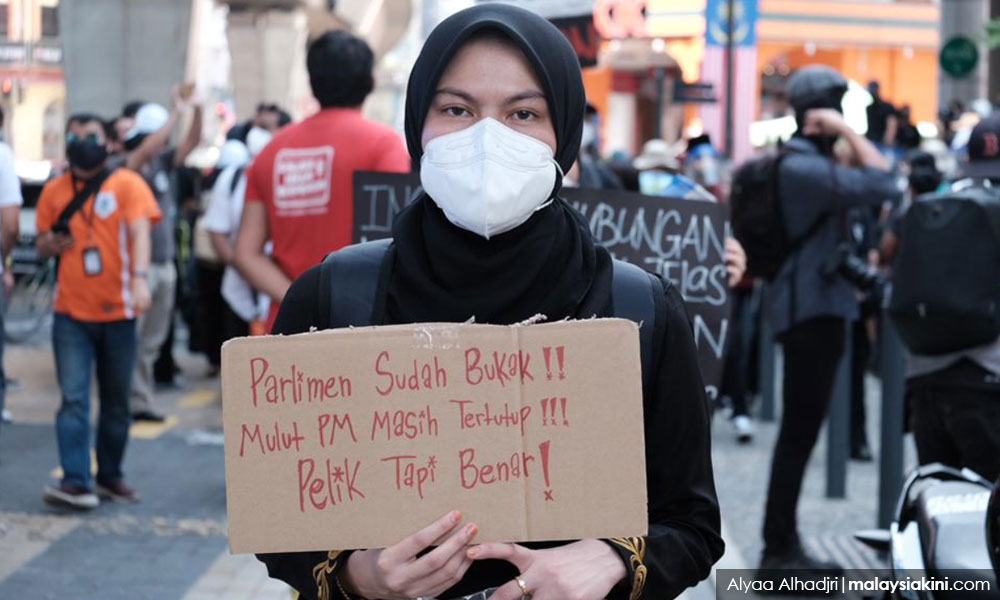
Fresh ideas are required. Will old politicians make way for young leaders with new ideas? It is scandalous that the main opposition parties have not formulated their own plans and strategies for dealing with the pandemic and our economic woes.
In mature democracies, it is the public discourse engendered by civil society organisations, the media, academia and political parties that results in changes to policies of the government or new laws. Our political parties and academics, save for a few exceptions, are tragically mute.
Will political parties reform themselves? Will all political parties embrace our diversity? Will West Malaysians embrace our East Malaysian brethren? Will all parties commit themselves to eradicate poverty regardless of race?
No one questions Article 153 of the Federal Constitution. No one questions the necessity of narrowing income and wealth disparities between races and between classes. But do it the right way so that positive results are obtained.
High-quality education and skills training to increase worker productivity is the best way. Corruption and leakages must be reduced, if not eliminated. And most of all, everyone must support measures to eradicate poverty among all of our people.
Will present and future governments rise to these challenges?
DAVID DASS is a lawyer, a Malaysiakini subscriber and commentator.
The views expressed here are those of the author/contributor and do not necessarily represent the views of Malaysiakini.


Report this comment
Are you sure you want to delete this comment?
This action cannot be undone.