



COMMENT | Saving Malaysia through social media mobilisation
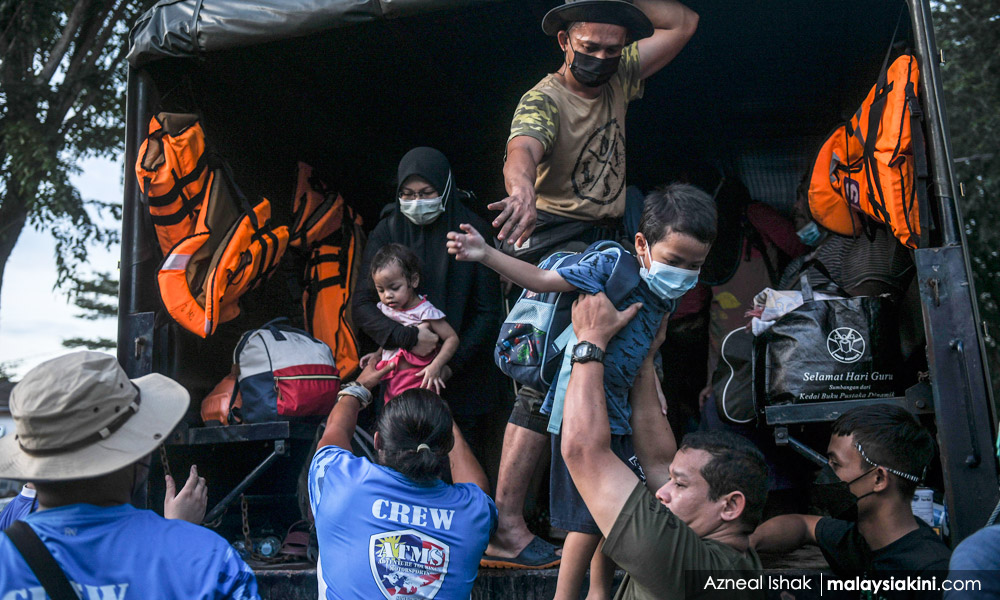
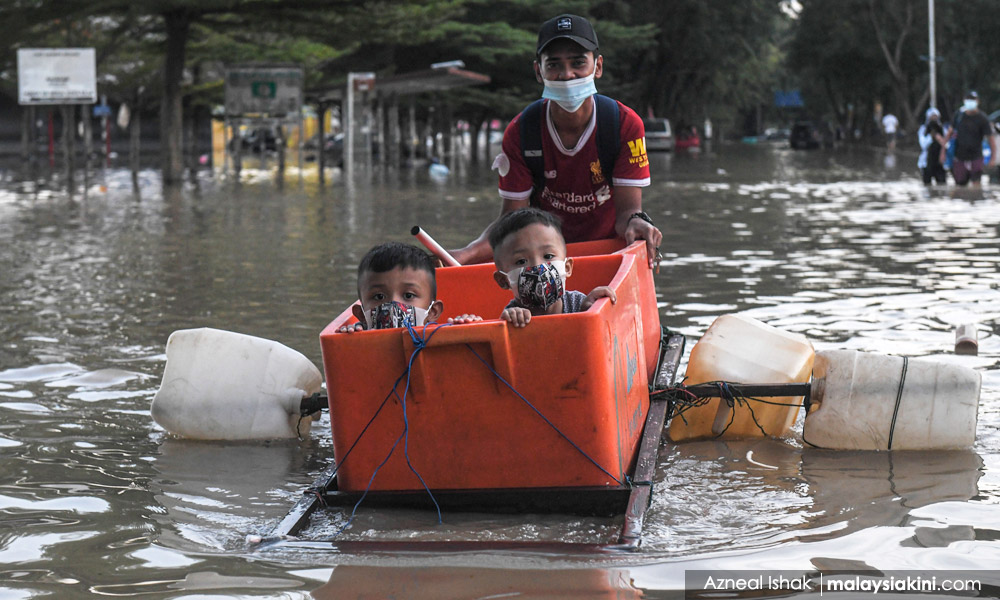
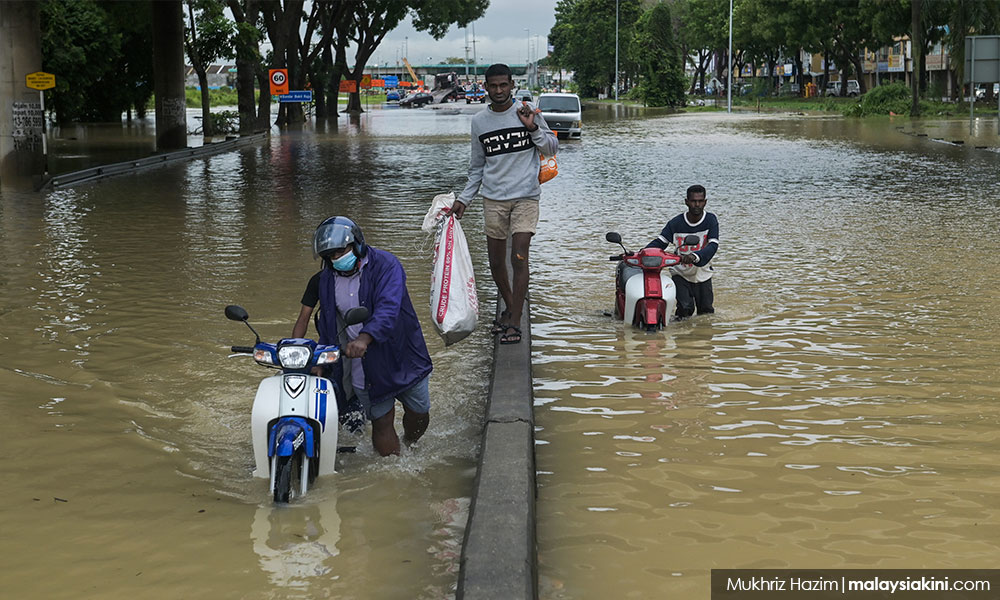
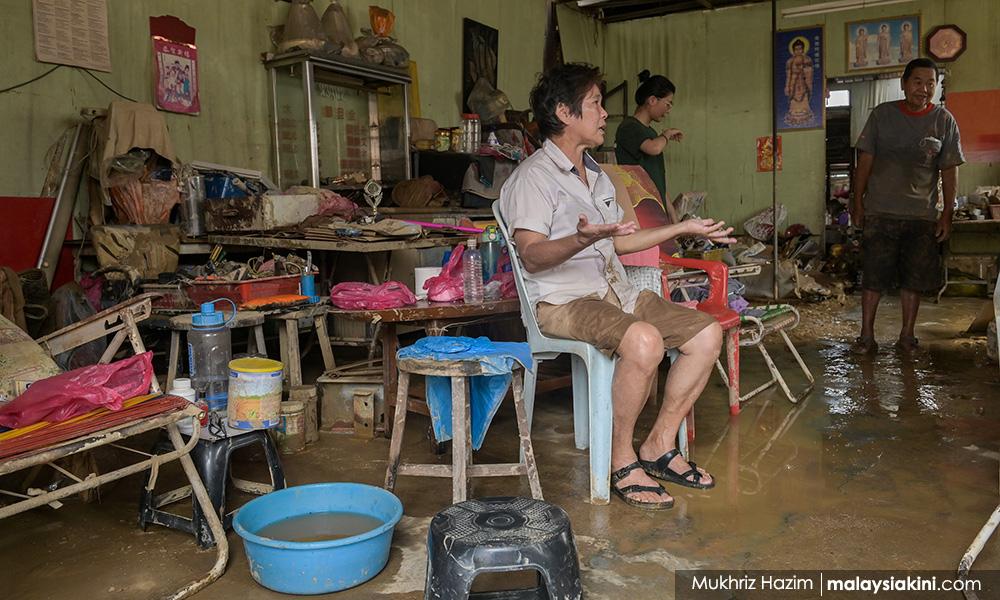
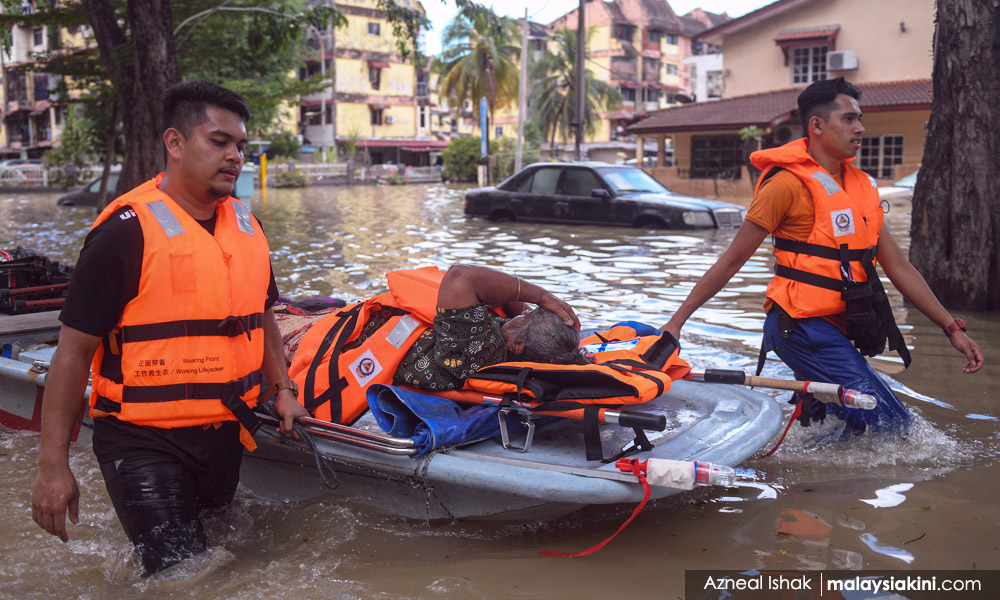
COMMENT | The great floods of 2021 are a sordid way to end the year for countless Malaysians who have been devastated and ravaged by this catastrophe.
This finale to 2021 is yet another crisis that is afflicting Malaysians since Covid in 2020.
As people are desperately trying to clean their homes and rebuild their lives, the government has been heavily criticised for its glacial and poor response to this crisis.
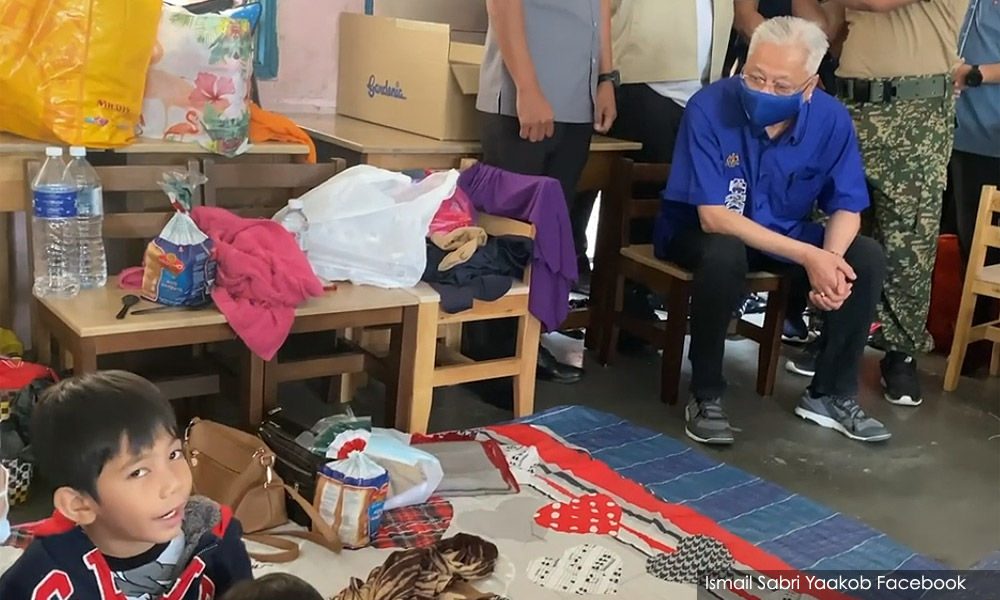
Prime Minister Ismail Sabri Yaakob made a public speech several days after the initial floods to address his administration’s weakness in handling the situation but also stressed that “everyone should be accountable”.
This will be seen as ironic given the lack of accountability that members of his administration demonstrated in the weeks that followed.
Thanks to avid Malaysians online, who are closely watching the actions of government officials in this crisis, dozens of political gaffes...
COMMENT | The great floods of 2021 are a sordid way to end the year for countless Malaysians who have been devastated and ravaged by this catastrophe.
This finale to 2021 is yet another crisis that is afflicting Malaysians since Covid in 2020.
As people are desperately trying to clean their homes and rebuild their lives, the government has been heavily criticised for its glacial and poor response to this crisis.
Prime Minister Ismail Sabri Yaakob made a public speech several days after the initial floods to address his administration’s weakness in handling the situation but also stressed that “everyone should be accountable”.
This will be seen as ironic given the lack of accountability that members of his administration demonstrated in the weeks that followed.
Thanks to avid Malaysians online, who are closely watching the actions of government officials in this crisis, dozens of political gaffes were exposed and highlighted, shaming those in charge.
These include obvious tasteless photo-ops, fundraisers held in luxury hotels, disbursement of aid as a means of political campaigning, and any government activity that impeded recovery efforts, such as a recent viral video of the prime minister’s motorcade forcing an ambulance to stop with its sirens clearly blaring.
In response to the backlash, the government ordered the Malaysian Communications and Multimedia Commission (MCMC) to issue takedown notices to Twitter to remove tweets that were critical of ministers.
As a reminder of accountability, Twitter promptly rejected these notices and reiterated its commitment to maintaining freedom of speech.
Public discourse on Twitterjaya
The Malaysian social media space, largely seen as a major political battleground, is often regarded as a highly contentious and dubious space, filled with political cybertroopers from across the political divide and bots meant to skew public perceptions.
There are two major social media platforms where Malaysians congregate online; with Facebook being the most active but also the most affected by political actors and Twitter, which is a more robust and open space for online discourse.
Other social media such as TikTok and Instagram, while not as popular for political discussions, are also important places where Malaysians can share important information.
Twitter is often called “Twitterjaya”, a pejorative term meant to highlight how Twitter users can be vocal about many issues affecting the country, but often feel disconnected from working class Malaysians and fail to engage more directly to remedy the situation.
They are often called “keyboard warriors”, referring to social media users who merely talk about issues but fail to lift a finger to provide any concrete support.
But, in times of a national emergency, it behooves the government of the day to lead by example and to focus on saving people first above all else.
If the government is lackadaisical or derelict, they need to be called out and reminded of their public duties.
This is especially effective with ministers who yearn for the spotlight as this is the only way they will listen and feel pressure to act better. Social media is the perfect tool for this goal and is the most effective at making political figures accountable.
Having MCMC issue takedowns of valid criticisms of government activities serves as a chilling effect to the rakyat to not to speak up on similar issues and to shield the fragile egos of these ministers who are unable to bear the true responsibility of leadership.
Without people speaking out, ministers can continue living in their “kayangan” (elitist) bubbles and not deal with the repercussions and fallout of their actions.
Twitter’s rejection of the MCMC takedown is a rallying cry for Malaysians on social media to continue calling out and bringing our political leaders to task.
For those arguing that social media posts are passive and do not foment change, the MCMC’s takedown is a clear indication that the government is affected by these criticisms.
Making real change
In addition to criticising appalling government efforts during this crisis, Malaysians on social media have also used their respective platforms to help during this great time of need.
The list is long; from sending out warnings for rising floodwaters, to tweeting about aid organisations to help channel donations and volunteers, TikTok explainer videos, and also individual story highlights of lives upturned by this tragedy.
For Malaysians today, Facebook, Twitter, Instagram, and TikTok appear to be more fruitful, efficient, and beneficial in providing relief than the government has so far.
Since the Sheraton Move and throughout the Covid pandemic, social media has been integral in providing a means for Malaysians to engage in public sphere discourse, organise and mobilise social movements, and serve as a pseudo oppositional movement in Malaysian politics.
Hashtag campaigns such as #KerajaanGagal, #Lawan, and #BenderaPutih channeled and focused the public’s disappointment and frustration with the previous administration and led to its downfall.
Even now, hashtags such as #BanjirDarurat and #DoNotDonateToGovernment have been used to organise relief efforts and criticise government impotence.
The current administration has grown very afraid of social media; instead of working on improving their ability to serve the country, they have been accused of shutting down critical feedback instead.
However, this is a reminder of the power Malaysians hold, and we must continue appropriately challenging the pretentious publicity stunts, hypocritical actions, and self-centredness of politicians to keep them in check, especially with the next general elections in mind.
Political parties no longer have full control of the grassroots thanks to social media. Thus, Malaysians on social media should keep doing what they do best: Speaking truth to power through tweets, posts, shares, and TikToks.
BENJAMIN YH LOH is a senior lecturer at the School of Media and Communication at Taylor’s University and an associate with the Asia Center in Bangkok.
The views expressed here are those of the author/contributor and do not necessarily represent the views of Malaysiakini.


Report this comment
Are you sure you want to delete this comment?
This action cannot be undone.