


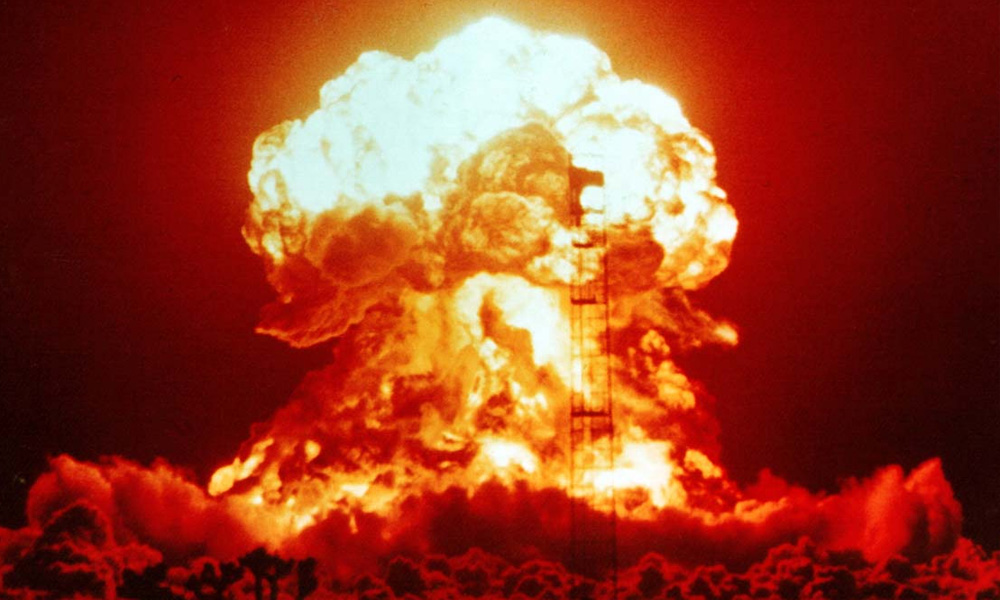

COMMENT | Rare show of unanimity between top 5 nuclear powers
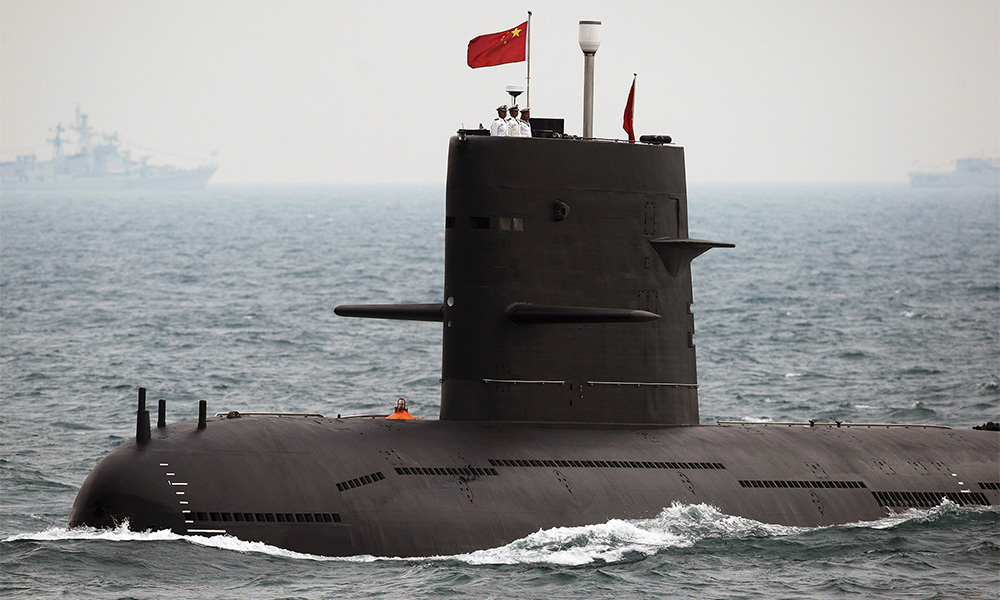
COMMENT | The five nuclear-weapon states, namely the United States, Russia, China, Britain, and France, in a rare show of unity on Jan 3 issued a joint statement pledging to prevent nuclear war and avoid arms races, affirming that “a nuclear war cannot be won and must never be fought.”
This statement is crucial given the fact its makers are the recognised nuclear-weapon states, as per the 1968 Nuclear Non-Proliferation Treaty (NPT), and are the permanent members of the United Nations Security Council (known as P5).
The commitment to avoid a nuclear war is a “positive” move, a “gift of peace to the whole world” and reflects the P5’s commitment to “cooperation” in the face of confrontation. This is how some commentators described the pledge made by P5.
Meanwhile...
COMMENT | The five nuclear-weapon states, namely the United States, Russia, China, Britain, and France, in a rare show of unity on Jan 3 issued a joint statement pledging to prevent nuclear war and avoid arms races, affirming that “a nuclear war cannot be won and must never be fought.”
This statement is crucial given the fact its makers are the recognised nuclear-weapon states, as per the 1968 Nuclear Non-Proliferation Treaty (NPT), and are the permanent members of the United Nations Security Council (known as P5).
The commitment to avoid a nuclear war is a “positive” move, a “gift of peace to the whole world” and reflects the P5’s commitment to “cooperation” in the face of confrontation. This is how some commentators described the pledge made by P5.
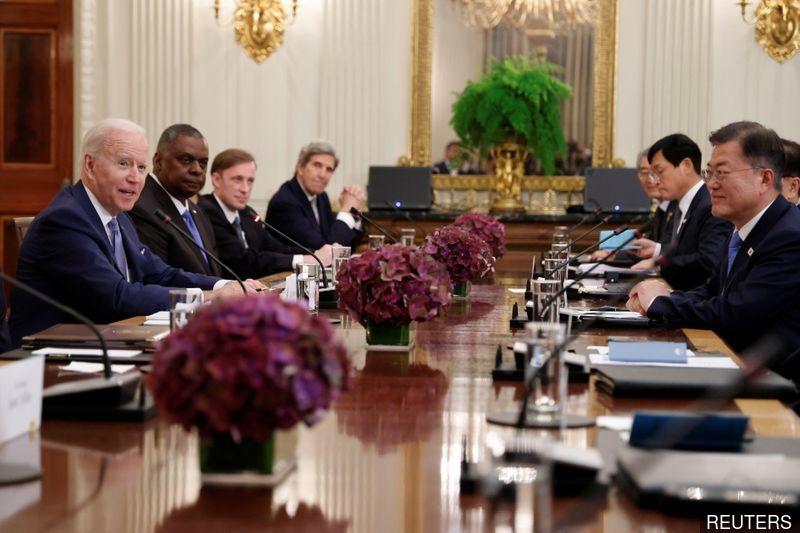
Meanwhile, others have pointed to its timeline, saying it was announced at a time when the US and Russia have differing views on many international issues, Moscow is “threatening to invade Ukraine”, US-China relations are at their lowest, and Beijing warns of “drastic measures” if Taiwan makes moves towards formal independence.
P5’s renewed commitment to prevent any confrontation with a nuclear catastrophe is crucial because Covid-19 has already caused enormous suffering to humanity, including the loss of lives (about 5.5 million people died, and possibly more to come). The world cannot bear the deadly effects of a nuclear war.
Although this commitment is nothing new, as Ronald Reagan and Mikhail Gorbachev made such a declaration at a joint summit in Geneva in 1985, its reaffirmation is unique because it reflects P5’s rare consensus on an important issue of international security.
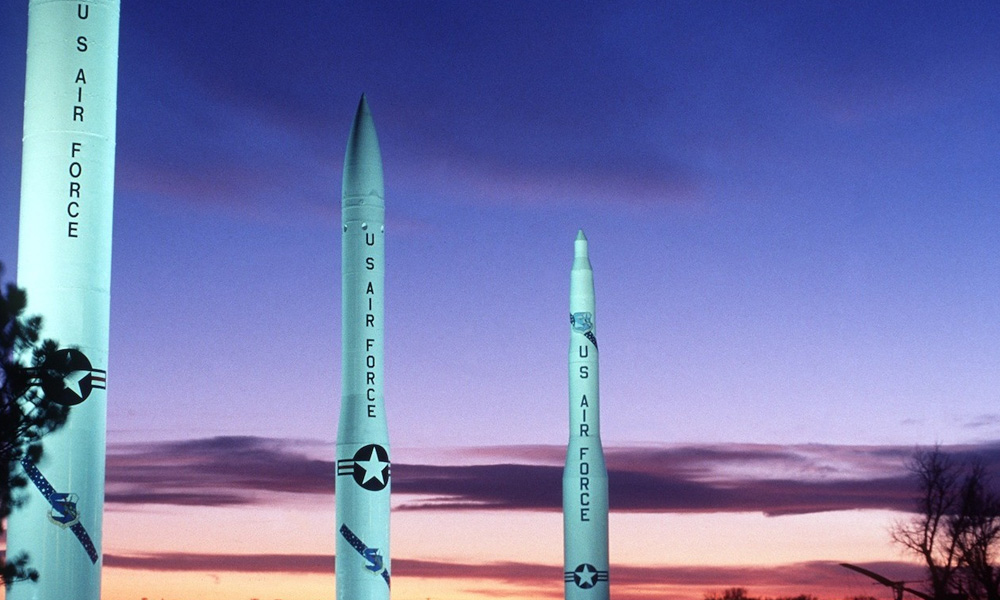
However, making a statement is one thing and fulfilling it is another. No one is sure if the five nuclear-weapon states will really live up to their promise, given their behaviour. China, in particular, acknowledges immediately after pledging that it is modernising its nuclear warheads.
China’s behaviour is understandable because the P5’s pledge does not stop the five nuclear-weapon states from keeping their nuclear arsenals. On the contrary, it allows them to keep such weapons but only for defence. What P5’s commitment does is to prevent nuclear war and avoid a nuclear arms race.
The fact that the five powerful nuclear-weapon states have not yet ratified the Treaty on the Prohibition of Nuclear Weapons (TPNW) raises further doubts as to whether they can live up to their promise.
The TPNW, which entered into force on January 22, 2021, prohibits its state parties from, inter alia, developing, testing, producing, manufacturing, acquiring, possessing, or stockpiling nuclear weapons or other nuclear explosive services.
The TPNW aims to prevent the spread of nuclear weapons or its technology and promote cooperation in the peaceful uses of nuclear energy but does not prohibit the use of nuclear weapons. It is just “a bargain” between states without nuclear weapons, who pledged not to acquire such weapons.
The P5 promised to disarm but they have done little to keep their promise, as complete disarmament has yet to be achieved.
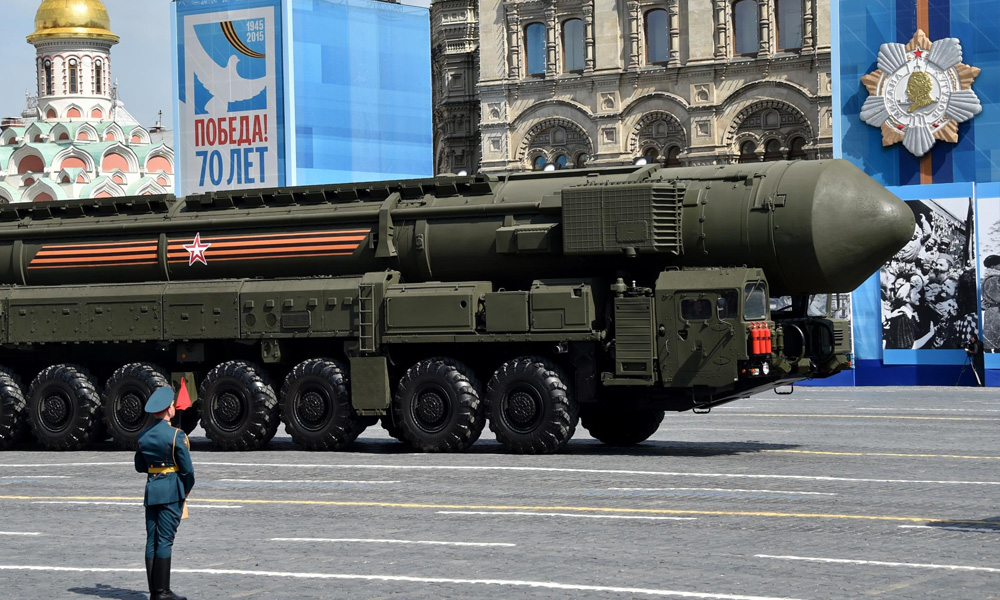
Let us be hopeful that the P5 will live up to their word, the question is what to do about the four other nuclear-weapon states, namely Israel, India, Pakistan and North Korea.
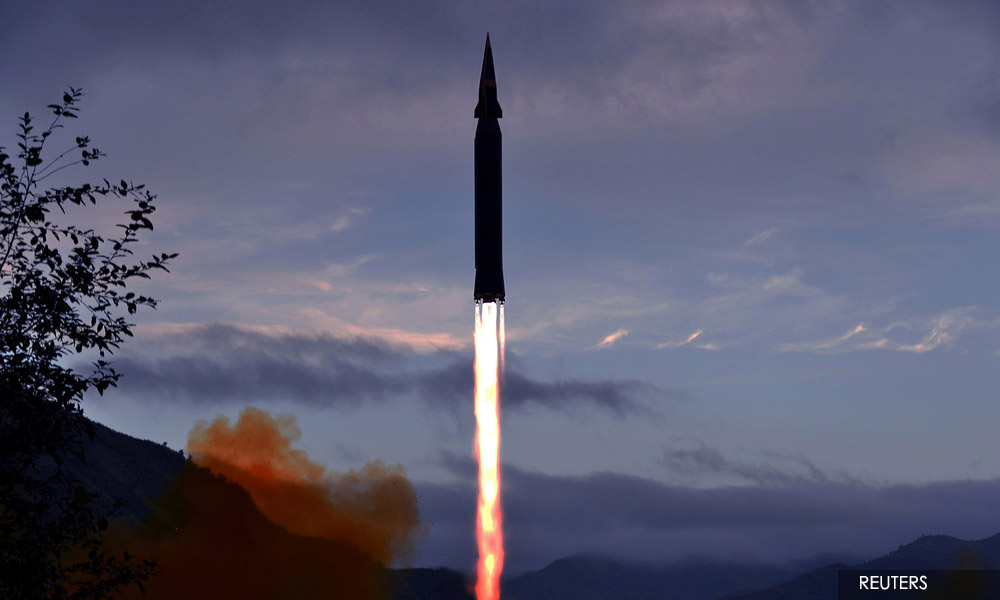
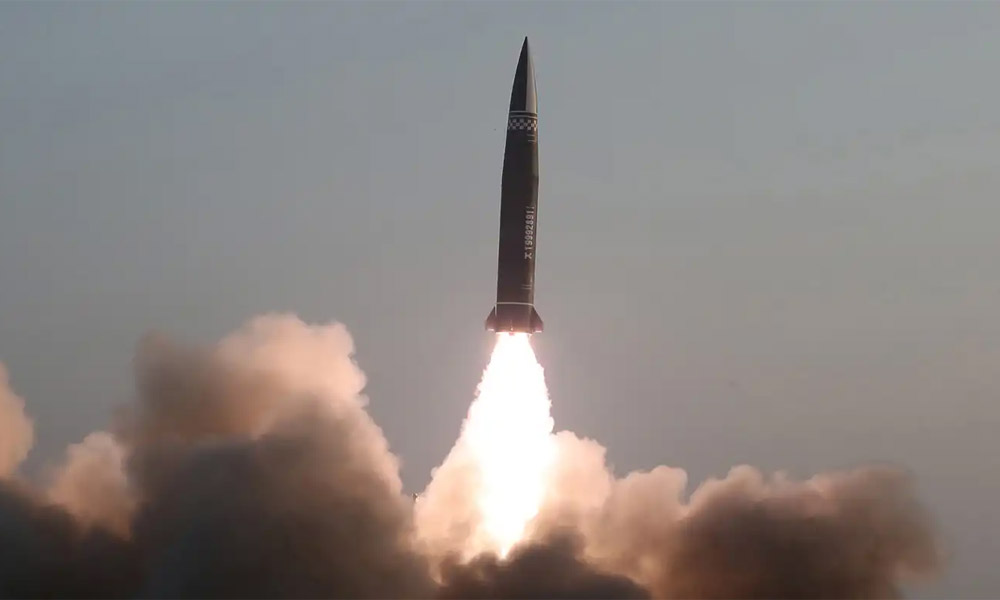
Given the fact that the P5’s pledge does not bind these countries, the risk of nuclear war involving these countries is still there. This is especially as neither of these four countries ratified the TPNW or the NPT nor they have shown signs of reducing their nuclear stockpiles.
Israel does have nuclear weapons, but following its policy of ambiguity, it neither admits to having them nor denies it, and the international community has done nothing to stop it from stockpiling such weapons.
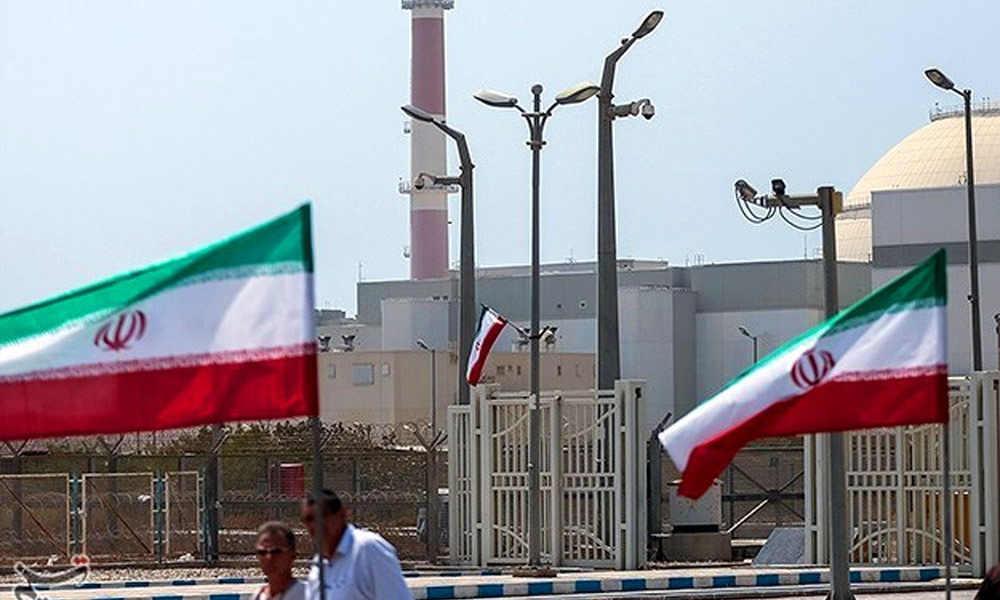
On the other hand, Iran has no nuclear weapons but is trying to develop nuclear power for peaceful purposes. However, serious measures including economic sanctions have been imposed against it on the mere suspicion that it may develop nuclear weapons. Is this not double standards?
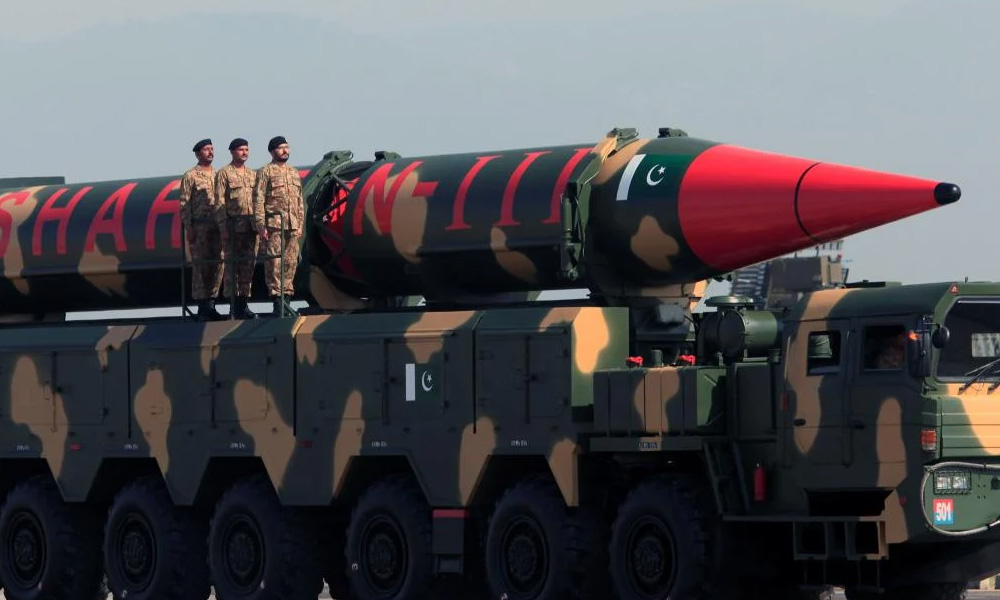
All nine nuclear-weapon states apparently reserve to themselves the right to use nuclear weapons to warn off an aggressor, and the pledge made by the P5 does not change this sad reality unless all or at least an absolute majority of them agree not to use nuclear weapons under any circumstances.
In any case, the commitment made by P5 is a welcome development, but it is hoped that they keep their word and work towards a total ban on the use of these weapons as humanity has suffered enough from the deadly effects of Covid-19. It cannot afford to bear the effects of a nuclear war.
MOHAMMAD NAQIB EISHAN JAN is a professor at the International Islamic University of Malaysia.
The views expressed here are those of the author/contributor and do not necessarily represent the views of Malaysiakini.


Report this comment
Are you sure you want to delete this comment?
This action cannot be undone.