



COMMENT | I hate waiting for the elevator!
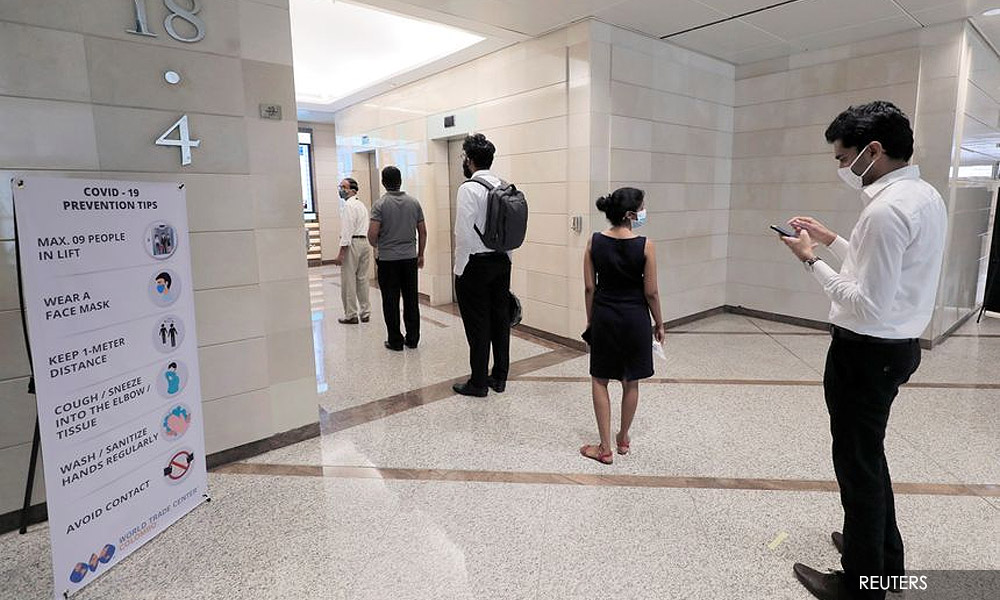
COMMENT | One of the most stressful daily activities I have to endure these days is waiting for the elevator.
With elevator spaces limited to a maximum of four people at one time following the Covid-19 SOP, the average time I spend waiting for it at my 21-floor apartment building with only two elevators, is approximately 15 to 25 minutes.
During daily peak hours and on the weekends, it gets much worse. Children, students and adults end up lining up for quite some time, waiting for the damn elevator.
Normally I’d just talk myself into taking the stairs. After all, despite my clicking knees, climbing to my place on the 6th floor is very doable. Of course, I’d end up huffing and puffing (and holding my pee) by the time I reach home, but hey at least I get to save my precious time.
Last week, I sprained my ankle badly and taking the stairs wasn’t an option anymore. For the entire week, I had to spend up to a bloody 40 minutes waiting for the elevator!
Every time the elevator door opened as I waited patiently like a dog, four pairs of annoyed eyes would be staring at me from inside the cube. Their annoyance is understandable since they’d probably had to stop at every floor on their way down.
In fact, having the elevator door open with a full house time after time again, I share their annoyance. I reckon anyone who shares similar experiences waiting for elevators would feel the same...
COMMENT | One of the most stressful daily activities I have to endure these days is waiting for the elevator.
With elevator spaces limited to a maximum of four people at one time following the Covid-19 SOP, the average time I spend waiting for it at my 21-floor apartment building with only two elevators, is approximately 15 to 25 minutes.
During daily peak hours and on the weekends, it gets much worse. Children, students and adults end up lining up for quite some time, waiting for the damn elevator.
Normally I’d just talk myself into taking the stairs. After all, despite my clicking knees, climbing to my place on the 6th floor is very doable. Of course, I’d end up huffing and puffing (and holding my pee) by the time I reach home, but hey at least I get to save my precious time.
Last week, I sprained my ankle badly and taking the stairs wasn’t an option anymore. For the entire week, I had to spend up to a bloody 40 minutes waiting for the elevator!
Every time the elevator door opened as I waited patiently like a dog, four pairs of annoyed eyes would be staring at me from inside the cube. Their annoyance is understandable since they’d probably had to stop at every floor on their way down.
In fact, having the elevator door open with a full house time after time again, I share their annoyance. I reckon anyone who shares similar experiences waiting for elevators would feel the same way too.
Keeping a safe social distance
Keeping a safe social distance during the Covid-19 pandemic is one of the fundamental measures to prevent the spread of the severe acute respiratory syndrome Sars-CoV-2 virus.
In our country, the recommended social distance has been set at between 1 to 1.5m. This is the reason there are warning stickers on the elevator floor indicating where passengers should stand – some stickers merely divide the elevator floor into four parts while in most cases, the stickers would indicate four boxes at the four corners of the elevator.
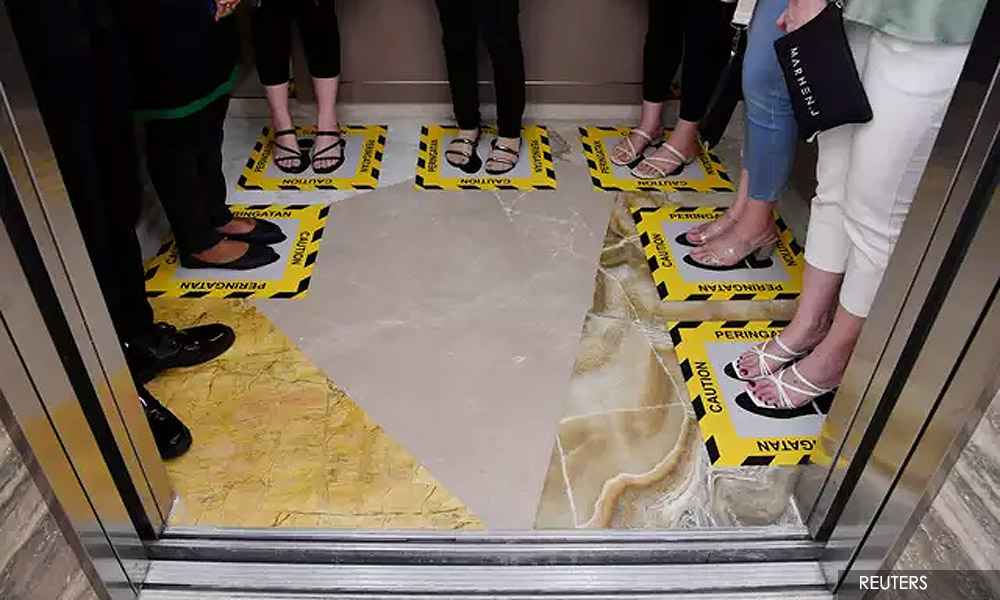
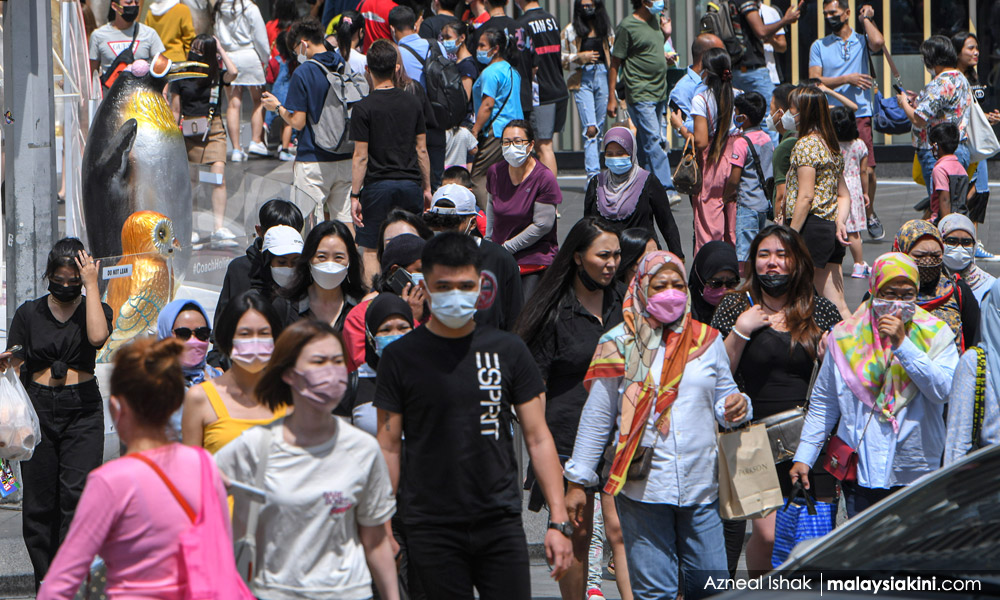
However, keeping a social distance in an elevator is not an easy task. Most of us are accustomed to stepping into the elevator as soon as the door opens. Standing close to each other and even squeezing ourselves into a packed elevator is an ingrained habit.
In addition, due to our obsession with instant everything, we are not very tolerant about waiting as waiting too long is often perceived as a violation of our right to control our time.
Yes, the SOP limiting the elevator space to a maximum of four passengers is meant to protect and keep us safe. Unfortunately, waiting for the elevators end up gathering crowds with less social distancing, exposing us to greater risks.
While elevators might look like disease traps, we’d probably only spend less than five minutes inside one whereas spending a lot longer waiting for one.
Truly there are greater risks in places where people tend to spend longer periods of time and breathe more potentially infected air, than the few minutes it might take to go up and down between floors.
In other words, while some people use tissue, elbow or key to press buttons in the elevator before standing inside their respective boxes, facing away from one another, trying their best to minimise the risk they are exposed to inside the cube - they would probably already have been exposed to greater risks while waiting for the elevator in the first place.
In fact, they’d probably already been exposed to the virus at workplaces, restaurants, food courts, malls, grocery stores, night markets, cinemas and mass transit systems before they even waited for the elevator!
Solving problems by making rules
It’s unclear how many cases of Covid-19 have been directly linked to elevator rides in Malaysia (my guess is zero) but I sure can think of a few other places of social activities that have impacted our Covid-19 statistics.
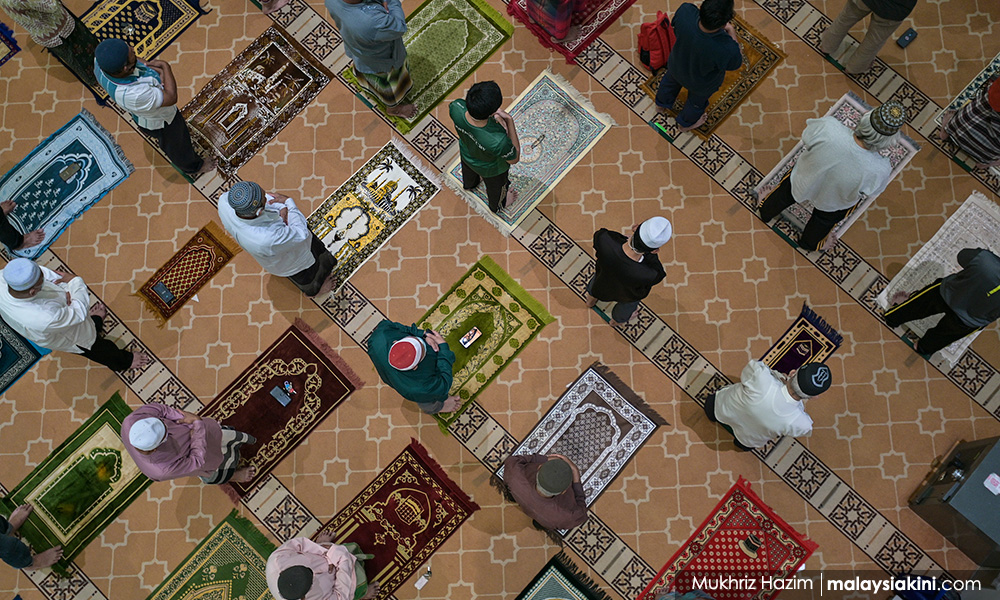
Take mosques for example. Recently it is announced that mosques in the state of Johor have reduced their social distancing policy to only 0.5m while mosques in Perlis have removed the social distancing SOP altogether, hence normalising the congregational prayer formation. Have we forgotten that our first MCO back in 2020 was a result of a mass religious gathering in a mosque?
Take shopping centres and malls for example. Most of them have centralised air-conditioning, high crowd density, poor air ventilation and indoor restaurants and food courts. Didn't the government identify malls, hypermarkets and grocery stores as potential Covid-19 hot spots a few months ago?
Take cinemas for example. Patrons visiting cinemas spend about two hours inside an air-conditioned, closed space, sitting next to each other (without social distancing) and unmasking themselves every now and then to sip their drinks and munch their popcorns.
Wouldn't these activities in these places impose greater risks than a five-minute ride up and down an elevator?
I am utterly dumbfounded.
The only reasoning which comes to mind as I try to understand why the 1 to 1.5m social distancing still applies to elevators is our governments’ tendencies to try solving problems by making rules - and then down the road, after having made hundreds of other rules, they not only fail to enforce them but also totally forget all about them.
What happens then? Nothing.
While the religious authority and the commercial sector play around mending their social distancing policy to suit their needs without the government having any qualms about it, idiots like me continue spending 40 minutes waiting for the elevator.
FA ABDUL is a multi-award winning playwright and director in the local performing arts scene, a published author, a television scriptwriter, a media trainer and a mother. Her ultimate mission in life is to live out of a small suitcase.
The views expressed here are those of the author/contributor and do not necessarily represent the views of Malaysiakini.



Report this comment
Are you sure you want to delete this comment?
This action cannot be undone.