




COMMENT | Checking on MACC and other graft busters
COMMENT | Oh yes, we have heard such a bold but ‘meaningless’ statement only too often: “The MACC would like to emphasise that it will not compromise on misconduct, crime or any violation of the law by its officers and will take stern action if they do so.”
Heroic words from the MACC in a June 15 statement last year when the graft buster brought to court one of its own officers for conspiring with another individual to solicit a bribe of RM100,000.
Six months down the road, however, MACC chief commissioner Azam Baki himself was found to be embroiled in proxy stock trading.
This was exposed by anti-corruption activist Lalitha Kunaratnam who wrote of alleged wrongdoings and collusions by high-ranking MACC officers in two articles published in the Independent News Service (INS) news portal last year.
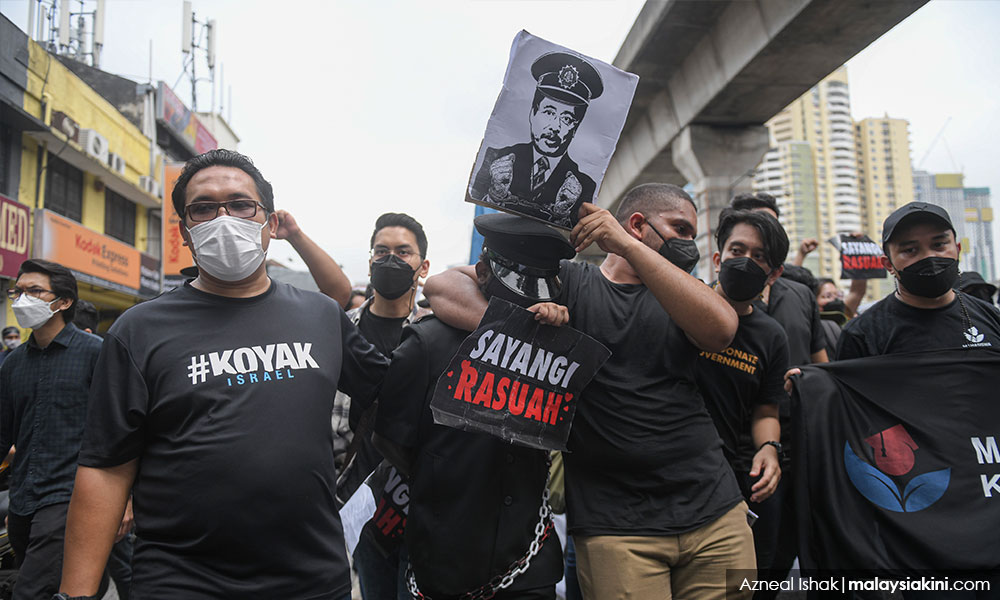
It has now boiled to a point of Azam haters, supported by 33 NGOs and 11 political entities, taking to the streets to demand that he quit his office.
Azam was implicated in...
COMMENT | Oh yes, we have heard such a bold but ‘meaningless’ statement only too often: “The MACC would like to emphasise that it will not compromise on misconduct, crime or any violation of the law by its officers and will take stern action if they do so.”
Heroic words from the MACC in a June 15 statement last year when the graft buster brought to court one of its own officers for conspiring with another individual to solicit a bribe of RM100,000.
Six months down the road, however, MACC chief commissioner Azam Baki himself was found to be embroiled in proxy stock trading.
This was exposed by anti-corruption activist Lalitha Kunaratnam who wrote of alleged wrongdoings and collusions by high-ranking MACC officers in two articles published in the Independent News Service (INS) news portal last year.
It has now boiled to a point of Azam haters, supported by 33 NGOs and 11 political entities, taking to the streets to demand that he quit his office.
Azam was implicated in the purchase of millions of shares and warrants in two public-listed companies - well over the RM100,000 cap on equity holdings permissible for civil servants.
Perturbed by the reports, Azam issued a letter of demand for a public apology and a payment of RM10mil in damages from Lalitha for allegedly tarnishing his reputation.
Lalitha, of the Centre to Combat Corruption and Cronyism (C4), whose reports were published on Oct 26 and Dec 15, has since sought legal advice to protect the findings she claimed were based on information contained in the database of public records, regulatory reports and corporate financial filings.
Pandora Papers
While this was happening, a group of journalists had collaborated to publish a report - codenamed the Pandora Papers - of the rich and famous around the world hiding their money and assets overseas from creditors, taxing authorities and the government of their homeland.
At least a dozen of those named in the report by the International Consortium of Investigative Journalists (ICIJ) were Malaysians.
Azam may have well opened a Pandora’s Box of his own doing when he admitted early this month to allowing his brother to use his (Azam’s) trading account to buy the alleged shares.
Many people were aghast.
The general perception is that the use of family members to obtain shares in this manner is a loophole that can be abused by public officials to enrich themselves.
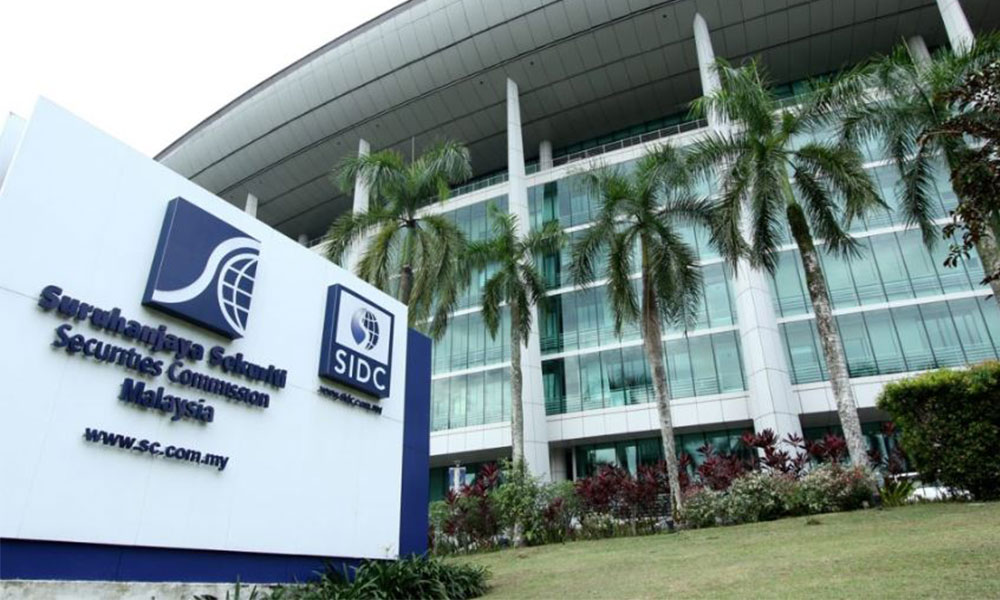
An inquiry by the Securities Commission (SC), however, could not ‘conclusively establish’ if Azam had broken the law over his ownership shares.
Taking it to mean that the capital market regulator had found he did not commit any offence, Azam went on to declare: “With that, I will continue my responsibilities as the chief commissioner of the MACC to fight corruption in the country without fear or favour.”
Often leaders delude themselves of working for the greater good but engage in behaviour that is morally wrong.
When someone told you they’d do something and delivered on it; you’d see them as reliable and dependable. You trust them.
And in all likelihood, you’d give them a strong recommendation or referral, right? Azam must aim to be that person and live up to his name which, in Malay, means ‘resolve’.
SC vs MACC
Around the same time, it was reported that the MACC was looking into complaints against SC board members over misconduct among themselves.
The question then arose as to how the SC and the MACC were allowed to investigate each other over the conduct of their top officials.
Meanwhile, Azam is scheduled for another inquiry; this time by the Parliament select committee (PSC) overseeing agencies in the Prime Minister’s Department.
It was first scheduled to be held on Jan 19 but PSC chief Abdul Latiff Abdul Rahman has postponed it to an indefinite date as the committee was said to face some legal issues that had to be looked into first.
Azam had reportedly refused to attend the meeting; arguing that he was already being investigated by the SC as well as the MACC complaints committee.
Furthermore, he felt his testimony to the PSC would violate the Dewan Rakyat standing orders that do not allow the House to discuss matters pending in courts; an apparent reference to his planned action against Lalitha.
But several MPs had rejected the argument, saying sub judice applied only to criminal cases.
At the same time, they had become tired of just discussions at a committee table.
They want both the Pandora Papers saga, which has implicated several well-to-do and well-connected people, and the MACC shame, debated and straightened out in Parliament so that we can get back to being a nation with dignity.
Meanwhile, calls had been coming to Azam to step down or, at least, go on a garden leave; which is actually a protective measure to ensure there is minimal impact on his reputation and the commission’s ongoing success.
Here, too, he has stood his ground, saying only the Yang di-Pertuan Agong can remove him.
With such impudence, His Majesty might do just that in the event Prime Minister Ismail Sabri Yaakob advises him so.
As stipulated in Section 5(3) of the Malaysian Anti-Corruption Commission Act 2009: The Chief Commissioner shall, during the period of his appointment as set out in the instrument of appointment, hold office at the pleasure of the Yang di-Pertuan Agong, subject to the advice of the prime minister.
So, there. It’s Ismail Sabri’s call now.
The prime minister could heed the repeated demands from various quarters for Azam to quit and, while at it, advise him to withdraw his lawsuit threat against Lalitha.
Azam could try to humbly accept that while his intention was good - even noble - it may have tilted the wrong way and it is regrettable.
Simply, he should just put his pride aside and move on to build the MACC into a more credible institution.
FRANCIS PAUL SIAH heads the Movement for Change, Sarawak (MoCS) and can be reached at sirsiah@gmail.com
The views expressed here are those of the author/contributor and do not necessarily represent the views of Malaysiakini.





Are you sure you want to delete this comment?
This action cannot be undone.