



COMMENT | Sikhs in Mat Kilau film based on historical facts?
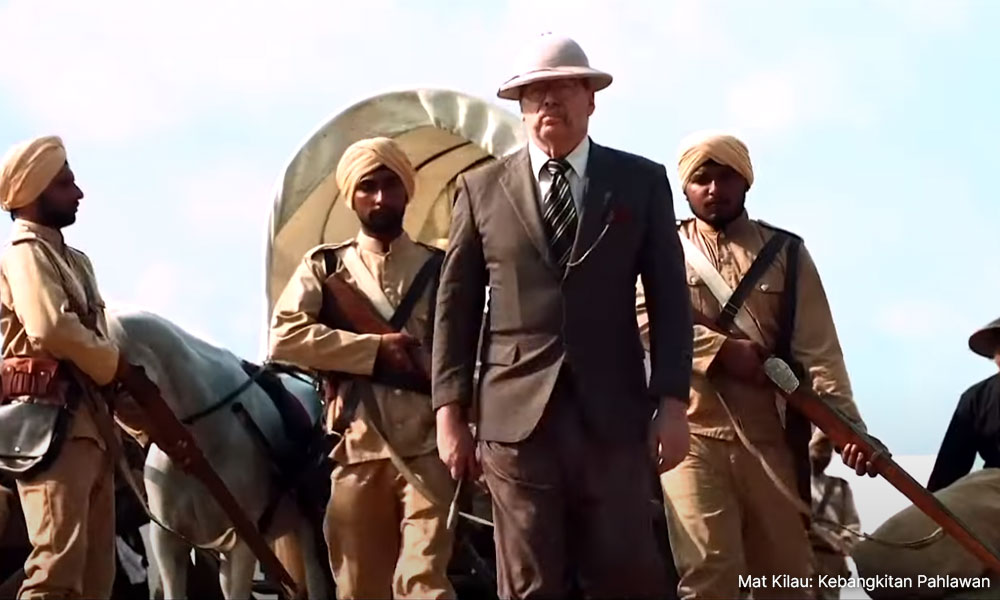
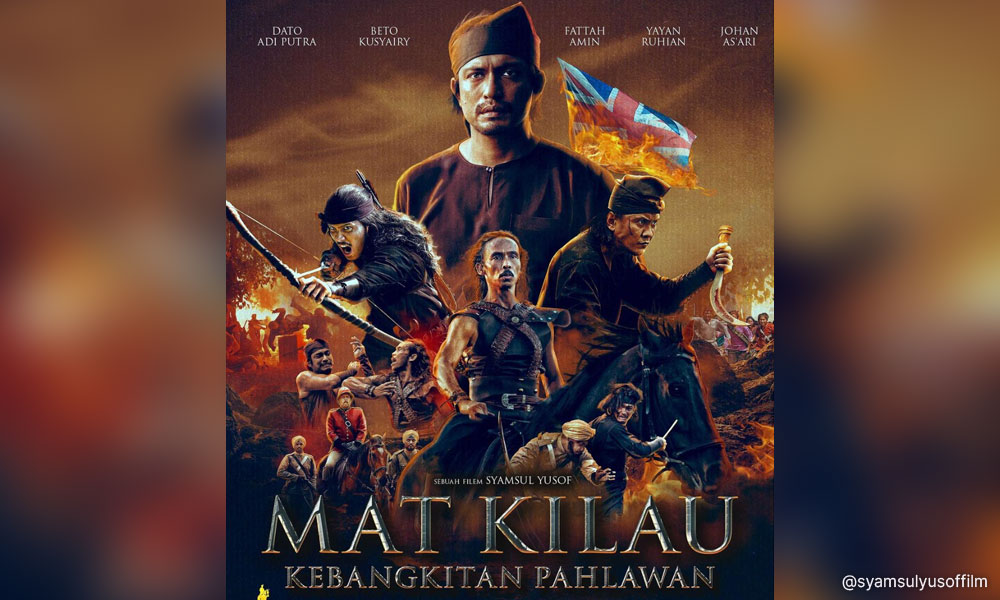
COMMENT | The recently released blockbuster Malay film Mat Kilau: Kebangkitan Pahlawan produced by Studio Kembara opens with a disclaimer that “the characters and events in the film are fictional”.
On the contrary and shockingly, Abdul Rahman Mt Dali, the managing director and producer of Studio Kembara reportedly stated that 60 percent of the film’s storyline revolves around true stories.
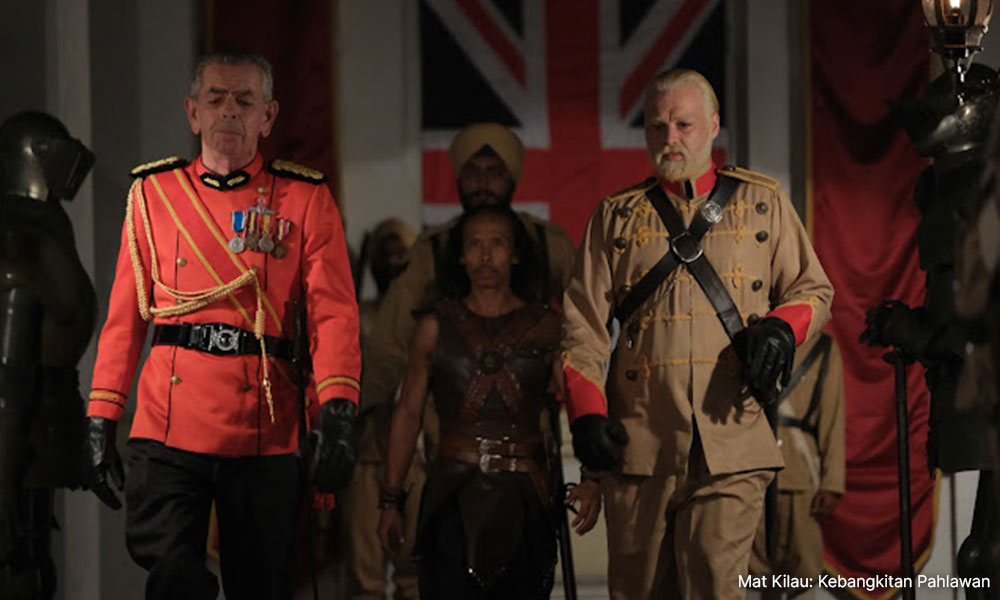
He reiterated that the negative portrayal of the Sikh military police is based on “irrefutable historical facts”.
Further, as reported in the local press, he seems to give the impression that the British strike force against the Malay chiefs and warriors who revolted during the Pahang Uprising 1891−95 consisted entirely of Sikhs: “I don’t want to put Malay or British soldiers (in those scenes). That would be a historical deception.”
Over the last week, I have watched the film thrice to ensure...
COMMENT | The recently released blockbuster Malay film Mat Kilau: Kebangkitan Pahlawan produced by Studio Kembara opens with a disclaimer that “the characters and events in the film are fictional”.
On the contrary and shockingly, Abdul Rahman Mt Dali, the managing director and producer of Studio Kembara reportedly stated that 60 percent of the film’s storyline revolves around true stories.
He reiterated that the negative portrayal of the Sikh military police is based on “irrefutable historical facts”.
Further, as reported in the local press, he seems to give the impression that the British strike force against the Malay chiefs and warriors who revolted during the Pahang Uprising 1891−1895 consisted entirely of Sikhs: “I don’t want to put Malay or British soldiers (in those scenes). That would be a historical deception.”
Over the last week, I have watched the film thrice to ensure that my historical analysis of it is accurate after conflicting claims being made by its producer: on the one hand, the film is a work of fiction but on the other hand, 60 percent of the film’s storyline revolves around true stories. I am dumbfounded at this contradiction, to say the least.
Malaysians deserve to know the various truths about both the film and the Pahang Uprising.
To my mind, virtually nothing in the movie or at best less than 10 percent is historically accurate, with the exception of the historical figures.
My opinion will be buttressed with numerous examples of inaccurate portrayals of the events and the people involved in the Pahang Uprising.
First, the film makes two factual errors in the opening scene. It depicts Captain HC Syers and the Sikh military police attacking the Malays at Kuala Tembeling in 1890 in pursuit of three Malay rebels.
The truth is that Syers, inspector Crompton and 25 Selangor Sikhs only left for Pahang in December 1891 after the outbreak of the uprising. Further, no such brutal attack as depicted in the film ever took place.
It should be noted that the Pahang Uprising broke out in the valley of the Semantan river in Ulu Pahang, and not in Kuala Tembeling.
In mid-December 1891, Datuk Bahaman and his men ambushed a British force which had entered the Semantan river.
The British force was led by Desborough, the collector and magistrate at Temerloh (accompanied by Townson, the inspector of mines) with an escort of 15 Sikh and six Malay police officers.
It was attacked due to the arrest of three of Bahaman’s men by the British for illegally collecting jungle produce.
Other ethnic groups
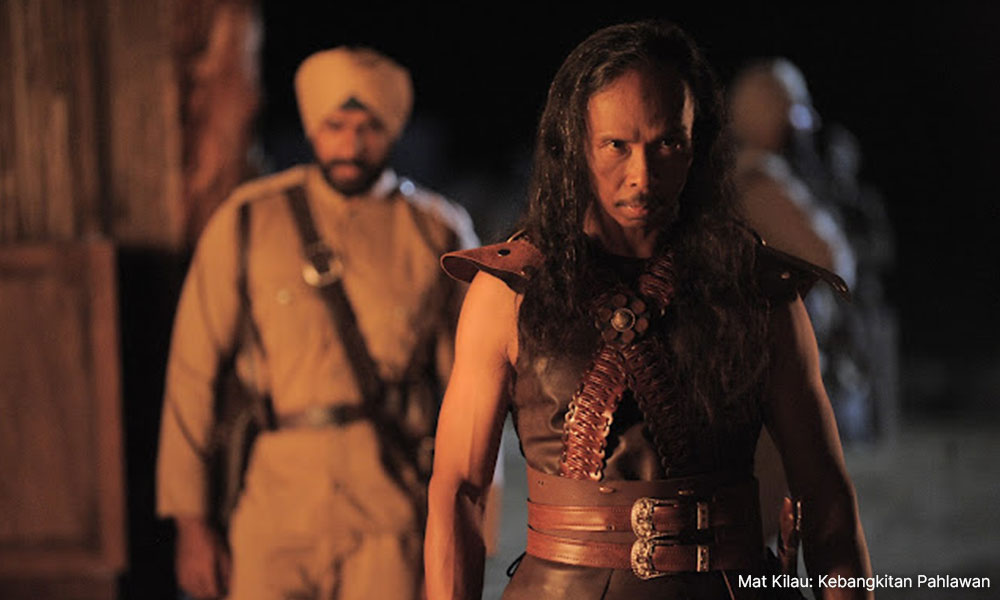
Second, the British forces involved in quelling the Pahang Uprising were not wholly Sikhs from Pahang, Perak, Selangor and Singapore.
The British forces also included men of other ethnic groups: Europeans, Malays, Pathans, Dayaks, Mandailings and men who originated from Padang Lawas, Sumatra.
For the record, the Sikhs did form the backbone of the British strike force.
Contrary to what has been asserted by Rahman, several European officers were involved in combating the rebellious Malay chiefs and warriors.
Among them were colonel Walker, acting superintendent Duff, assistant superintendent Stewart, assistant commissioner Duhan, Syers, captain Lyons, captain HL Talbot, inspector Graham, inspector McNamara, inspector Symes, and EA Wise, district officer of Ulu Pahang.
Interestingly, Tuan Kechut, the Malay chief inspector of police at Pekan arrested 21 men from several kampungs on the Jempol river who were suspected of being involved in the murder of two Europeans in April 1892 under the leadership of Panglima Muda of Jempol.
Further, among those killed (besides several Sikhs) in the Pahang Uprising were Wise, and Mirgul Khan and Azar Noor of the Selangor Pathans.
Those wounded (besides Sikh military police) included Talbot and two from Selangor Pathans, Azad Khan and Saed Shah Khan.
Guerrilla attacks
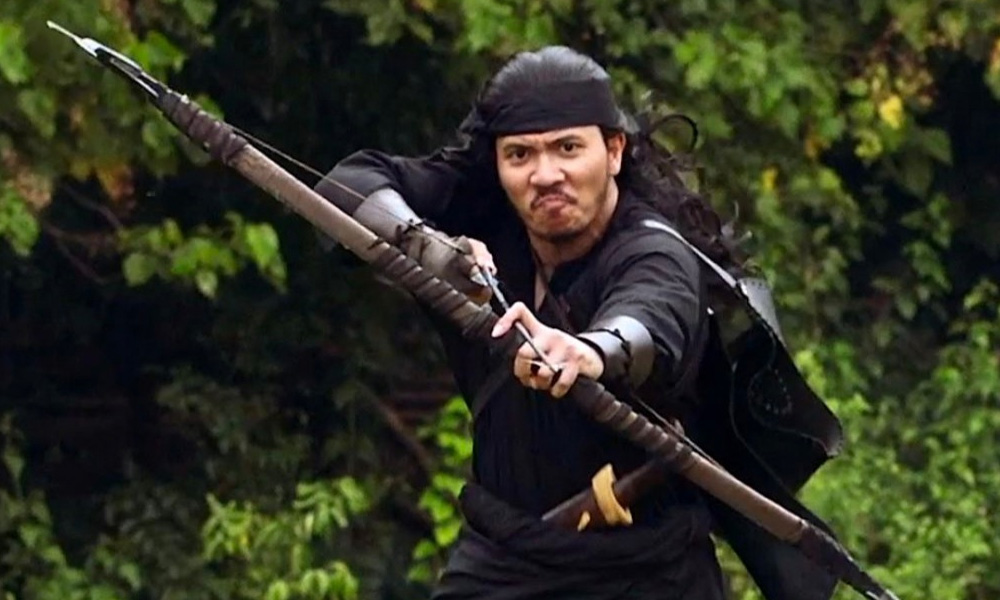
Third, unlike as portrayed in the film, the rebellious Malay chiefs and their men hardly came out into the open to fight the British forces.
They hid in the jungle and generally carried out guerrilla attacks which occurred very early in the morning before daylight had set in or in the dusk of the evening.
On a different note, contrary to the spirit of ‘Keluarga Malaysia’ that is being championed by our current prime minister, the film has racial undertones and propaganda aimed at promoting Malay supremacy and the Islamic agenda.
For example, the non-Malays in the film are referred to as pendatang (immigrants) and kafir (infidels). In one of the scenes, the Sikh soldier is told: “Sebagai pendatang, jagalah adab (As an immigrant, maintain good manners)”.
In another scene of the film, the Malays are reminded of who should be allowed to become leaders in Tanah Melayu: “Orang mukmin tidak boleh ambil orang kafir untuk menjadi pemimpin (True believers cannot take infidels to become leaders)”.
The film also appears to portray the image that non-Malays have been exploiting the Malays. For example: “Orang kita dipijak oleh orang asing.”
The only Chinese character in the film, Goh Hui, is portrayed as being a traitor and a self-serving Chinaman.
To conclude, as citizens of Malaysia, we should all work together towards building a united and prosperous ‘Bangsa Malaysia’ wherein all ethnic groups work together as ‘Keluarga Malaysia’ to make it a reality.
In this regard, I salute the Johor sultan for proudly and rightfully acknowledging in July 2022 the significant role played by the Chinese in the economic development of Johor and asserting that they are Malaysians and not pendatang.
It’s a wake-up call for politicians, policymakers and academicians to adopt a Malaysian-centric view towards fostering a shared sense of pride and an unshakable sense of common identity among our young, which is vital for Malaysia’s continued success and wellbeing.
READ MORE: COMMENT | Mat Kilau and demystifying the 1891-95 Pahang uprising
RANJIT SINGH MALHI is an independent historian who has written 19 books on Malaysian, Asian and world history. He is highly committed to writing an inclusive and truthful history of Malaysia based on authoritative sources.
The views expressed here are those of the author/contributor and do not necessarily represent the views of Malaysiakini.





Report this comment
Are you sure you want to delete this comment?
This action cannot be undone.