


/file/publisher-c1a3f893382d2b2f8a9aa22a654d9c97/2022/10/00900daf1ab37fcedebf25f066daacfa.jpg)

COMMENT | Evaluate healthcare financing comprehensively
COMMENT | The Association Private Hospitals Malaysia is receptive to various billing and payment methods for the provision of hospital care and treatment, such as diagnosis-related group and value-based, but it must be evaluated comprehensively.
If Malaysia is transitioning to a healthcare financing model that allows all citizens to access private healthcare through a national plan, it would be suitable to consider implementing a bundled payment scheme (where is it government funded).
This can be combined with transparent treatment protocols and limitations, but ideally with a supplementary programme where patients have the option to personally cover the cost of more services.
Hospital management has always focused on cost optimisation and containment, encompassing not just medical and surgical consumables, but also expenses related to preventative maintenance, energy, waste management, facilities, and housekeeping, among others.
Although hospitals may consider establishing a dedicated department for cost containment, the absence of...
COMMENT | The Association Private Hospitals Malaysia is receptive to various billing and payment methods for the provision of hospital care and treatment, such as diagnosis-related group and value-based, but it must be evaluated comprehensively.
If Malaysia is transitioning to a healthcare financing model that allows all citizens to access private healthcare through a national plan, it would be suitable to consider implementing a bundled payment scheme (where is it government funded).
This can be combined with transparent treatment protocols and limitations, but ideally with a supplementary programme where patients have the option to personally cover the cost of more services.
Hospital management has always focused on cost optimisation and containment, encompassing not just medical and surgical consumables, but also expenses related to preventative maintenance, energy, waste management, facilities, and housekeeping, among others.
Although hospitals may consider establishing a dedicated department for cost containment, the absence of such a department does not indicate a lack of emphasis on controlling expenses.
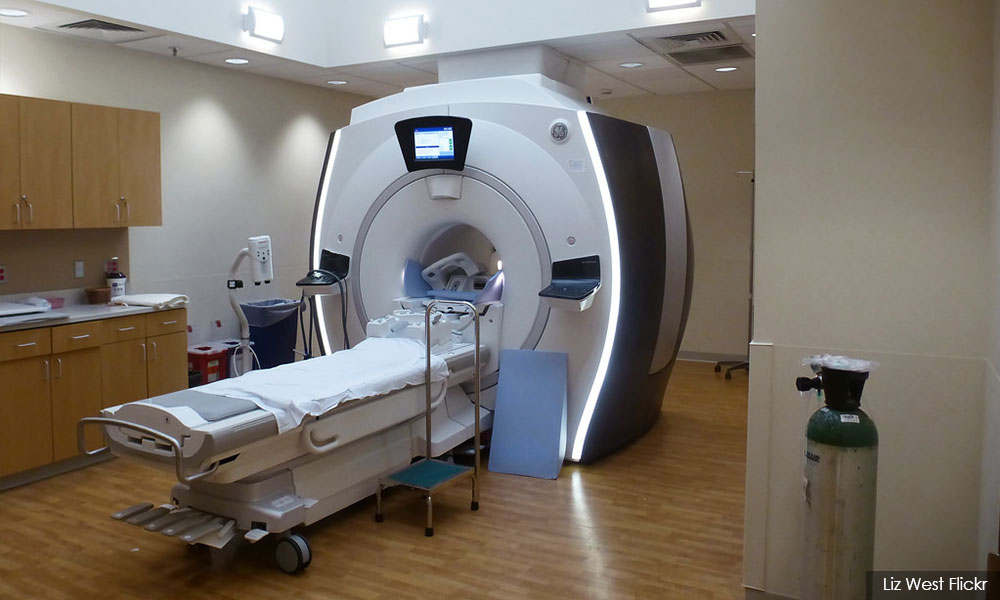
With regards to the scrutiny of detailed hospital billing, especially equipment charging, every piece of medical equipment necessitates a capital expenditure, whether it is a substantial investment like an MRI or CT scanner or a considerable quantity of smaller equipment such as blood pressure monitors.
All equipment must be certified by the Medical Device Authority and undergo regular calibration and preventive maintenance. The clinical service may include the charging of the equipment, which refers to both the equipment itself and the process of measuring and recording. Alternatively, the equipment can be charged individually.
Hospital bills must be itemised down to each line in accordance with Private Health Care Facility Act requirements. This is perhaps the only industry where such a high level of detail is provided, including as an example the number of gauzes used.
As a result, the bill contains a lengthy list of items and pages, which is intended to be transparent to the patient and client.
Medical bills complexity
It is unfortunate that a senior member of the insurance sector had difficulties understanding the bill, considering that it has been in existence for years and all private hospitals are obligated to provide detailed explanations of the bills upon request from the patient or payor.
We hope the alleged complexity of medical bills should not be a frequent factor causing delays in Guarantee Letters, deferments, and late payments, which often lead to hardship for hospitalised patients.
Given the absence of a universally accepted method for pricing equipment and services, it is crucial to examine the overall bill to ensure its fairness and adherence to established norms. Focusing solely on specific items and making comparisons may not provide a comprehensive understanding of the billing structure.
An illustrative instance mentioned in the case reported on the health portal CodeBlue is the optional overnight stay in a Suite Room, which is not customary or clinically necessary, and not covered unless there is a qualification outlined in the policy.

However, it is undeniable that the inclusion of additional luxurious amenities has significantly increased the overall expense of the bill.
Frequently, these bills are closely examined with specific attention to the hospital portion, without taking into account the expenses borne by the hospital to reduce hospital profits.
Revenues and profits
The ultimate outcome of these often-unfair audits and arguments will lead to patients being led to facilities and doctors that meet the financial criteria of the payor, in exchange for a cashless privilege being granted.
The government should be concerned whether the payor's moral and ethical obligation towards the patient is met when the paying client's right to choose healthcare is restricted by implementing a pay-and-claim system to control costs.
It is important to highlight that insurance businesses operate with numerous revenue lines and often generate big profits. While there may be occasional losses in particular sectors, they are not frequent.
However, it is worth noting that these observations are made without direct challenges or debate. By contrast, a hospital relies solely on one source of revenue, which is carefully controlled due to the continuously rising expense of healthcare.
It is crucial for customers to comprehend that insurance firms derive a substantial portion of their total income from numerous sources. However, inevitably premium rates will increase every year for their clients.
To safeguard the well-being of our patients in this country, it is imperative that we collaborate to prevent the occurrence of unethical practices within many sectors, including hospitals, doctors, and insurance companies.
Patients have a right to receive fair and equitable healthcare services, regardless of whether it is provided by a public or private institution.
DR KULJIT SINGH is president of Association Private Hospitals Malaysia.
The views expressed here are those of the author/contributor and do not necessarily represent the views of Malaysiakini.
/file/publisher-c1a3f893382d2b2f8a9aa22a654d9c97/2021/07/6dc88843afc8617ff248b0bbce72811c.jpg)
/file/publisher-c1a3f893382d2b2f8a9aa22a654d9c97/2024/05/2254bd64a23bd8004d46632c9b1328c5.jpg)
/file/publisher-c1a3f893382d2b2f8a9aa22a654d9c97/2021/01/206a2a10b8a03bdf2597f4835b7cb8fe.jpg)
/file/publisher-c1a3f893382d2b2f8a9aa22a654d9c97/2024/08/a21b66a79cb76887e7bd2830c325d3d5.jpg)


