


/file/publisher-c1a3f893382d2b2f8a9aa22a654d9c97/2024/07/b32da8f479ba265351467125e1bd4033.jpg)

COMMENT | From silence to violence: Call to reform mental health
COMMENT | The recent matricide case in Malacca, involving a 17-year-old Form Five student accused of killing his mother and brother, has shocked the nation.
Yet beyond the surface horror lies a deeper and more systemic concern that requires us to examine how our society, institutions, and policies are (or are not) addressing the emotional and psychological well-being of young Malaysians.
This tragedy must not be viewed in isolation. Instead, it should serve as a critical moment for reflection on the broader psychosocial landscape in which many adolescents now find themselves, where academic pressures are relentless, emotional literacy is underdeveloped, and family dynamics may lack open, empathic communication.
COMMENT | The recent matricide case in Malacca, involving a 17-year-old Form Five student accused of killing his mother and brother, has shocked the nation.
Yet beyond the surface horror lies a deeper and more systemic concern that requires us to examine how our society, institutions, and policies are (or are not) addressing the emotional and psychological well-being of young Malaysians.
This tragedy must not be viewed in isolation. Instead, it should serve as a critical moment for reflection on the broader psychosocial landscape in which many adolescents now find themselves, where academic pressures are relentless, emotional literacy is underdeveloped, and family dynamics may lack open, empathic communication.
According to the 2022 National Health and Morbidity Survey, 26.9 percent of Malaysian adolescents exhibit symptoms associated with moderate to severe depressive states. In addition, 13.1 percent reported suicidal thoughts, and 9.5 percent admitted to attempting self-harm.
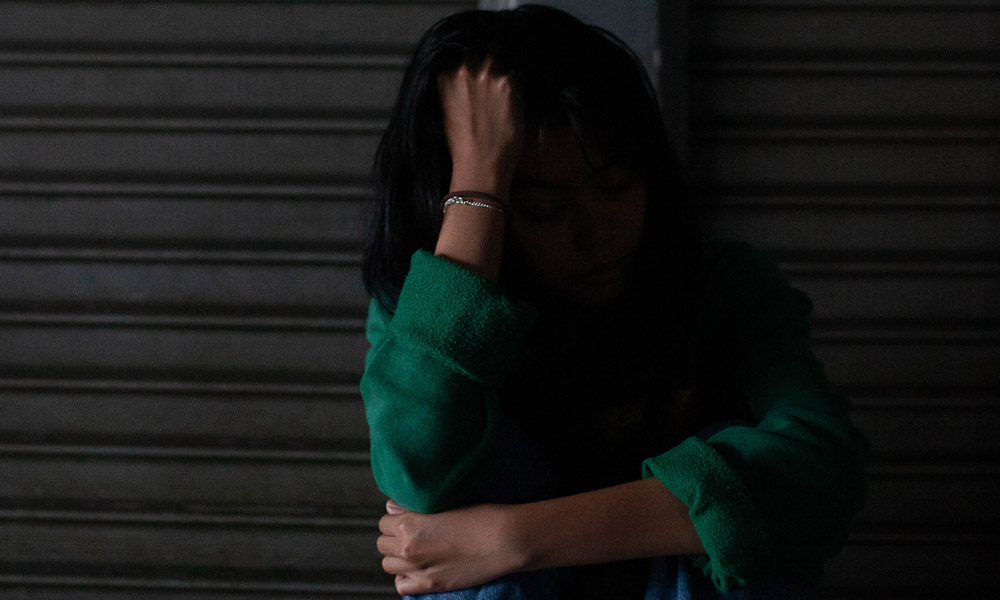
These figures represent more than a public health concern; they reveal a nation where many young people are navigating their formative years in psychological distress, often unnoticed and unsupported.
Systemic gaps
Within the field of psychology, theoretical frameworks such as the Stress-Vulnerability Model help explain how prolonged exposure to pressure, when compounded by insufficient coping mechanisms and environmental support, can lead to emotional disintegration or impulsive, harmful actions.
In the Malacca case, neighbours described the student as well-mannered and quiet, yet such traits can coexist with what psychologists term as internalised distress, in which outward normalcy conceals unspoken emotional struggle.
The larger issue lies in the systemic gaps that allow such distress to go unaddressed.
In Malaysia’s education system, the pursuit of academic achievement often takes precedence over the development of emotional intelligence, resilience, and psychological awareness.
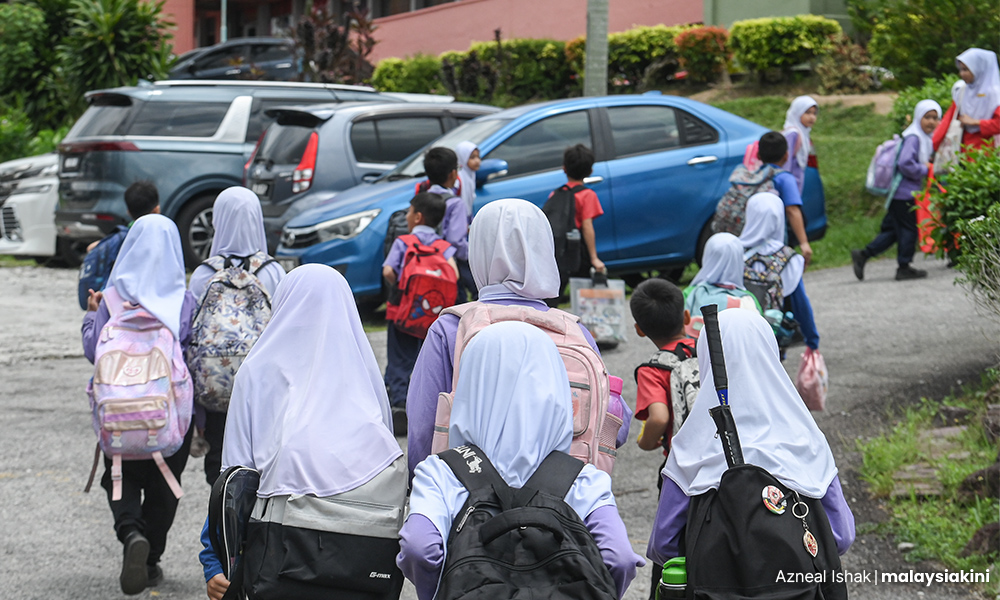
Most schools lack full-time psychological professionals, and mental health education remains minimal or absent from curricula.
Within the family unit, cultural expectations, communication barriers, and shame-based parenting can hinder adolescents from expressing vulnerability or seeking help.
In households where emotional expression is dismissed, misinterpreted, or punished, silence becomes a coping mechanism, and suffering remains unseen until it manifests in destructive forms.
Comprehensive reform necessary
This tragedy must mark a turning point not only in our awareness but in our policies.
We urge the government to implement several urgent and coordinated reforms to address youth mental health systemically:
1. Institutionalise full-time psychological counselling services in all secondary schools, supported by a dedicated national mental health budget. These roles must be staffed by qualified professionals and integrated into school development frameworks.
2. Integrate mental health education into the national curriculum, beginning at the lower secondary level. Students should be taught foundational skills in emotional regulation, stress management, peer empathy, and help-seeking behaviours.
3. Expand structured parental education programmes, aimed at enhancing emotional literacy, conflict resolution, and adolescent development knowledge among caregivers.
4. Establish community-based Family Support Centres under the Women, Family and Community Development Ministry to provide coordinated psychosocial, legal, and educational assistance, particularly for vulnerable or underserved households.
Such reforms are not without precedent. International best practices have shown that when mental health is integrated across education, family, and community platforms, young people are more likely to develop resilience, self-awareness, and a sense of belonging.
The tendency to reduce psychological distress to “discipline issues” or “moral failure” oversimplifies a complex set of socio-emotional experiences.
We must move toward a more empathetic, evidence-based understanding of youth behaviour - one that recognises psychological wellbeing as a prerequisite for long-term educational and national development.
Mental health should not be siloed within a single ministry. It must become an inter-ministerial priority, linking education, health, youth development, and welfare in a unified framework that affirms the dignity and safety of every child.
Every unheard adolescent is a warning. Every unresolved emotional struggle is a signal of a system that must do better. Let this tragedy be the last of its kind not just in memory, but in policy, in practice, and in the values we choose to uphold as a society.
MONNA ONG is Terengganu MCA liaison committee chairperson.
The views expressed here are those of the author/contributor and do not necessarily represent the views of Malaysiakini.
/file/publisher-c1a3f893382d2b2f8a9aa22a654d9c97/2025/05/bab30af515a4aa6428591b394d287d65.jpg)
/file/publisher-c1a3f893382d2b2f8a9aa22a654d9c97/2024/07/335db34e26334e1c13e7b97011d8503d.jpg)
/file/publisher-c1a3f893382d2b2f8a9aa22a654d9c97/2024/11/97af64d0eee98ceab2d9775b1d122e95.jpg)
/file/publisher-c1a3f893382d2b2f8a9aa22a654d9c97/2023/06/2c4b5943113d0f57d02d3cab9f29f24b.jpg)
/file/publisher-c1a3f893382d2b2f8a9aa22a654d9c97/2024/09/312d8940e4a71f4f59aab86584aeea6b.jpg)
/file/publisher-c1a3f893382d2b2f8a9aa22a654d9c97/2021/01/dd3ef1ed8196ec3d32bb1ee82f7b0884.jpg)


Are you sure you want to delete this comment?
This action cannot be undone.