


/file/publisher-c1a3f893382d2b2f8a9aa22a654d9c97/2025/06/7087c00d174cc7a35bf1bfc29a59b4e1.jpg)

COMMENT | Malaysia and Germany - an enduring friendship
COMMENT | When I arrived in Malaysia with my family almost five years ago, we lived in another world.
Covid-19 had the country and much of the world in its firm grip. We spent our first two weeks in quarantine and lived then under the lockdown, and had to wait for another year to discover our beautiful new host country.
Nobody imagined at that time what turmoils the world would be exposed to shortly after.
The assault on the Capitol in Washington DC, the coup d’état in Myanmar, the Russian invasion of Ukraine, the massacre by Hamas, the relentless answer by Israel, the tragedy in Sudan, the turbulences of the markets as a result of the US tariff policies, to name just a few.
Instead of cooperating to cope with the crises which really threaten our species, such as global warming, wildlife extinction and the plastic flood in our oceans, some decision makers frivolously decided to add on new calamities.
COMMENT | When I arrived in Malaysia with my family almost five years ago, we lived in another world.
Covid-19 had the country and much of the world in its firm grip. We spent our first two weeks in quarantine and lived then under the lockdown, and had to wait for another year to discover our beautiful new host country.
Nobody imagined at that time what turmoils the world would be exposed to shortly after.
The assault on the Capitol in Washington DC, the coup d’état in Myanmar, the Russian invasion of Ukraine, the massacre by Hamas, the relentless answer by Israel, the tragedy in Sudan, the turbulences of the markets as a result of the US tariff policies, to name just a few.
Instead of cooperating to cope with the crises which really threaten our species, such as global warming, wildlife extinction and the plastic flood in our oceans, some decision makers frivolously decided to add on new calamities.
German-Malaysian relations at all-time high
However, in the shadow of these turmoils, Malaysian-German relations thrived and developed dynamically.
The political exchange excelled to an all-time high, crowned by a three-day state visit of the German President Frank-Walter Steinmeier to Malaysia and a six-day visit of Malaysian Prime Minister Anwar Ibrahim to Germany, accompanied by the Foreign Ministry, Investment, Trade and Industry Ministry and the Entrepreneurship Ministry.
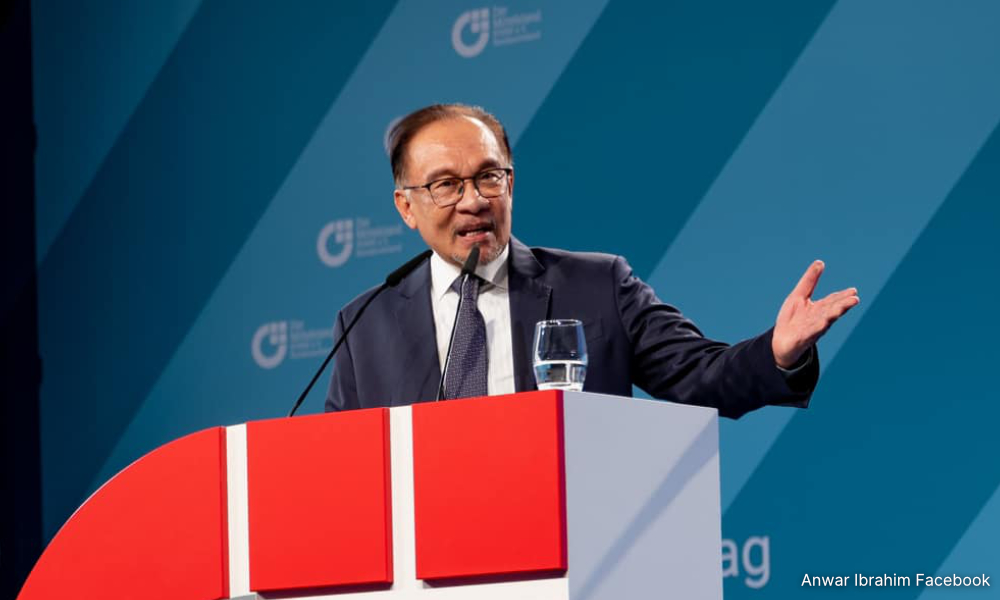
Germany is Malaysia’s top trading partner within the EU, while Malaysia, together with Vietnam, is Germany’s number one trading partner within Asean.
The German company Infineon’s investment of a cumulative €7 billion is Germany’s largest engagement in the whole region of Southeast Asia.
The interest of German companies in Malaysia is ever-growing, symbolised by the visit of the economic ministers of two German federal states with large delegations to Malaysia in 2024.
An excellent sign for the future of our economic relations is the upcoming resumption of negotiations on a free trade agreement between Malaysia and the EU.
Also, in other fields, exchange increased rapidly. The security cooperation between the armed forces of our two countries intensified considerably.
Cultural ties
Big highlights in 2024 were a joint concert of our two army bands in the beautiful Petronas Philharmonic Hall, the stopover of a large detachment of our air force at Subang on its way from Australia to India and the port call of the German frigate Baden-Württemberg and the support ship Frankfurt am Main in Port Klang, graced by a visit of the Malaysian defence minister at a reception on board of the frigate.
The focus of the Malaysian German Chamber of Commerce on environmental cooperation, for example, renewable energies and circular economy, demonstrates that respect for the environment is compatible with making good business.
Environmental projects, such as a conference in Kota Kinabalu to fight plastic pollution and fish bombing, became a new core area of our embassy.
Equally important was our cooperation in human rights issues, with conferences on undocumented and on stateless people, as well as on women’s political participation.
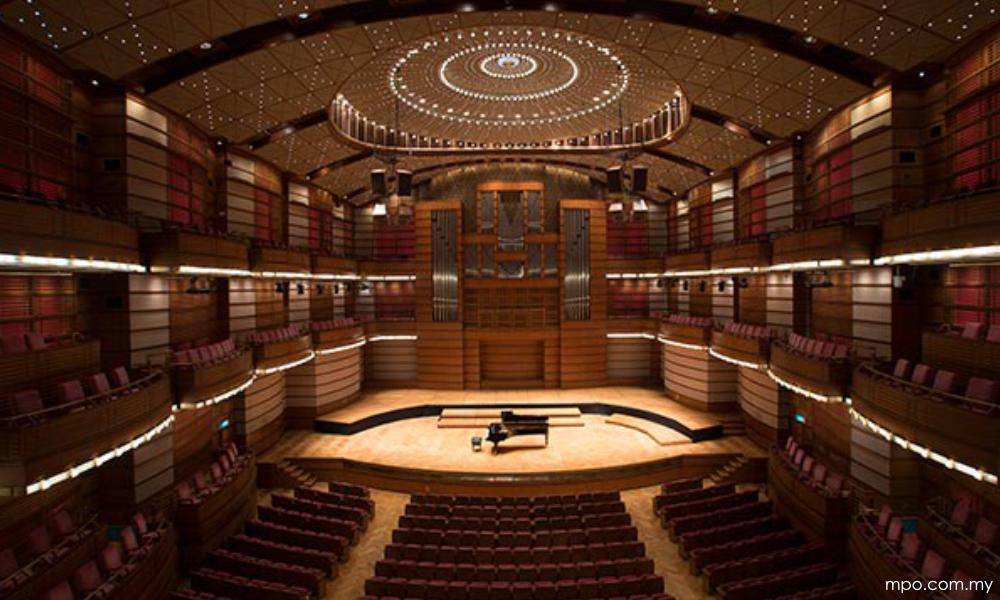
And we concentrated on music as an emotional bond between our two peoples, which does not need words. We are very grateful to the CEO of the Malaysian Philharmonic Orchestra, Hassina Begam Abdul Gani, for allowing us to organise three concerts in the Philharmonic Hall in 2024.
Besides the joint concert of our army bands, we staged a concert on our National Day and, later on, a Malaysian-German friendship concert, at both of which the amazing Sarawakian pianist Hii Mei Lin performed together with her German colleagues.
Much in common
There is a reason why Malaysia and Germany have unflinchingly and continuously intensified their relations, despite their geographical distance and their different cultural and religious backgrounds.
We both share common interests and values. Our countries are medium-sized powers in the global context, embedded in their respective associations, Asean and the EU, depending on the validity of international law, open markets, free trade, and open shipping routes.
We are both committed to the UN Charta, multilateralism, the rule of law instead of might makes right, and opposed to hegemonic aspirations.
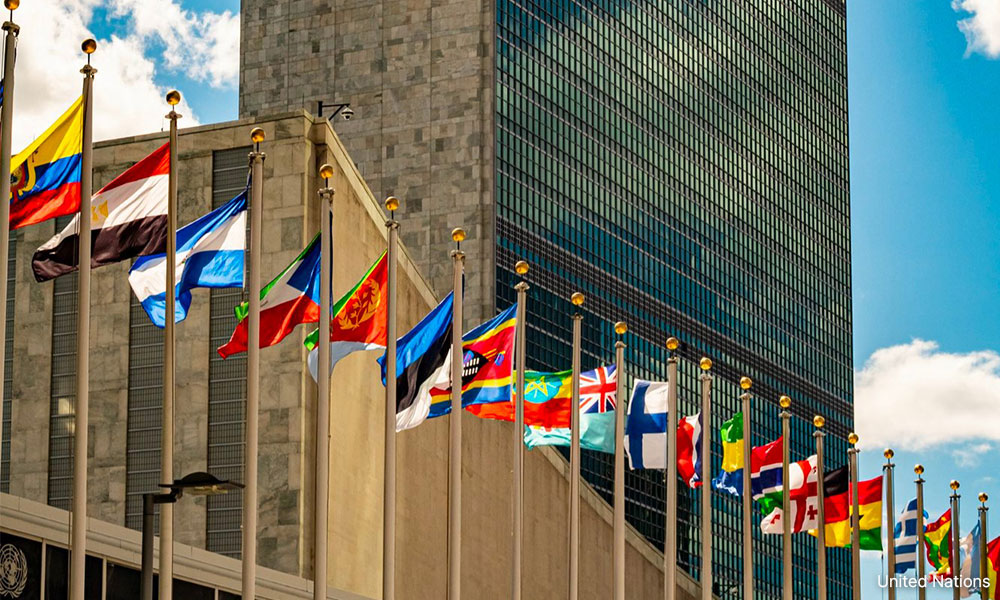
This is not self-evident anymore, with some great powers no longer accepting the equality of states as enshrined in the UN Charta but claiming for themselves zones of influence, at times violently.
All the more important it is that countries like Malaysia and Germany stand together with other like-minded states, no matter where they are, to defend international law.
Food, nature, people
On a personal note, I am immensely grateful for the incommensurable chance to live with my family for almost five years in such a beautiful, diverse, challenging country as Malaysia is.
There are some obvious answers to why one can get addicted to Malaysia: Food! It is the topic number one in conversations in Malaysia.
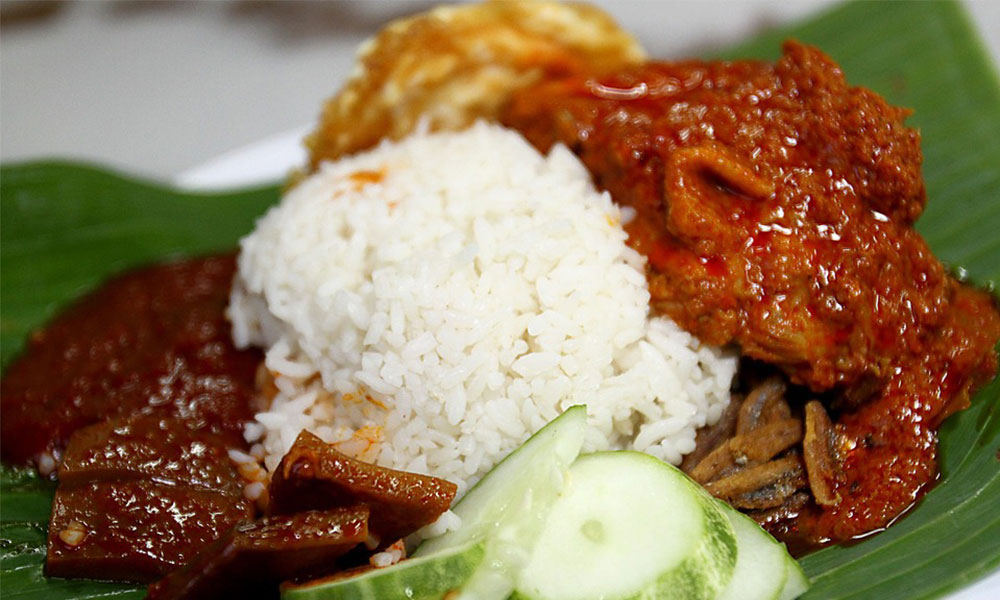
Unlike the number-one topic in Germany, the weather - which is not always good, Malaysian food is incredibly delicious, found in inexhaustible varieties, tickling regions of your palate which you did not even know existed.
Nature! The jungle with sky-high trees, liana, the perfidious strangler fig, the gigantic Rafflesia flower, tigers, tapirs, elephants, scorpions. And in the sea, endless beaches, whales, sharks, dugongs, and turtles!
People and cultures! Malays, Peranakan, Chitties, Chinese with all their tribes, Indians, Tamils, Orang Asli, Iban, Orang Ulu, Kelabit, Kadazan Dusun! Hari Raya, Chinese New Year, Deepavali, and so many more festivals!
Dances in marvellous costumes overflowing in colours and design, of each region! The mystical Mak Yong, the furious wayang kulit! Magic Gamelan! Kites! In Malaysia, all senses are exposed to the ultimate stress test!
My heroes in Malaysia are the people who take up the challenges of this country.
Politicians who fight to overcome racial cleavages, attorneys who fight corruption, CEOs who turn their companies carbon-free and commit to a circular economy, doctors who treat stateless people free of charge, raja mudas who distribute zakat on a bicycle to the poor.
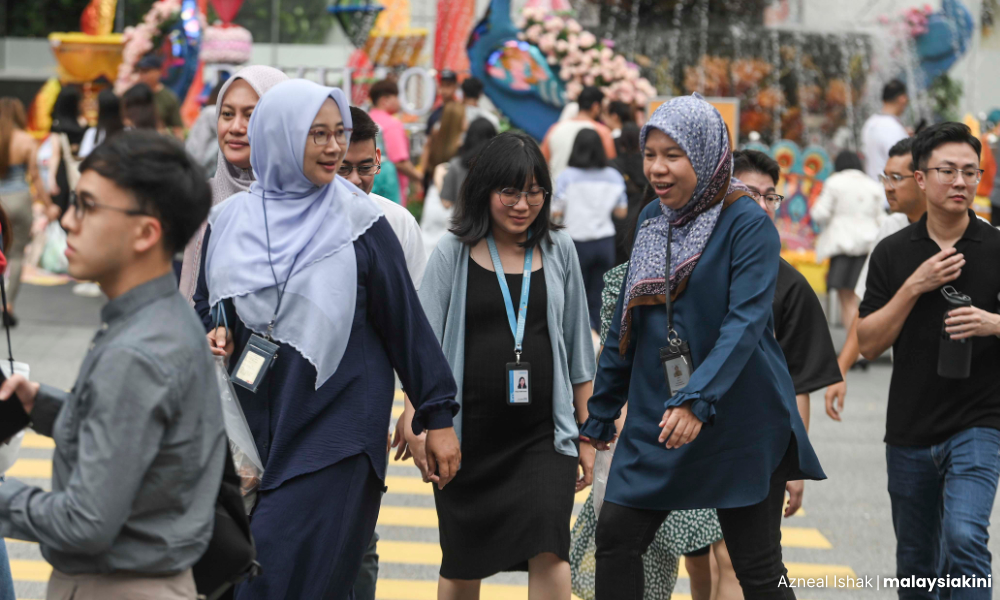
Women who build schools for refugee kids and teach them there, queer people who share what little they have during the pandemic with needy straight people, muftis who share their zakat with non-Muslims.
Environmentalists who plant fruit trees for hornbills or collect turtle eggs for breeding, or give shelter to bruised or orphaned gibbons or who fight the plastic flood and fish bombing.
That’s my Malaysia. My Germany back home also needs such people. We need them everywhere. It’s them who make the difference on our planet.
PETER BLOMEYER is the outgoing German ambassador to Malaysia.
The views expressed here are those of the author/contributor and do not necessarily represent the views of Malaysiakini.
/file/publisher-c1a3f893382d2b2f8a9aa22a654d9c97/2020/11/3604c1dc1a038fa73bf877e84349728a.jpg)
/file/publisher-c1a3f893382d2b2f8a9aa22a654d9c97/2024/03/f4cdb82397253a5e6c6c1439fd4b8c45.jpg)
/file/publisher-c1a3f893382d2b2f8a9aa22a654d9c97/2024/03/d9570236ec9f31f2b812c7672220bec0.jpg)
/file/publisher-c1a3f893382d2b2f8a9aa22a654d9c97/2024/03/c2a307134239a8c000e17f3a2144ab5d.jpg)
/file/publisher-c1a3f893382d2b2f8a9aa22a654d9c97/2024/03/62d005ca7c416c789cc1446ab100f490.jpg)


Report this comment
Are you sure you want to delete this comment?
This action cannot be undone.