


/file/publisher-c1a3f893382d2b2f8a9aa22a654d9c97/2019/11/727f79aad74a8ff3b3d85b3176fcc8e5.jpg)

COMMENT | Perak's rare earth assurances demand scrutiny
COMMENT | In a media briefing cloaked in optimism, Perak Menteri Besar Saarani Mohamad recently declared that non-radioactive rare earth element (NR-REE) mining in the state is environmentally safe, sustainable, and economically promising.
But here’s the rub: Should a politician be the one assuring us of environmental safety in a venture as complex and chemically sensitive as rare earth mining?
What qualifies a menteri besar to speak with such certainty on hydrogeology, groundwater contamination risk, or long-term ecological impact?
Saarani said the state’s NR-REE pilot project in Kenering, Hulu Perak, adheres to strict environmental impact assessments and employs the so-called latest green technology: in-situ leaching (ISL).
Unlike conventional mining, ISL does not involve digging up the earth. Instead, a...
COMMENT | In a media briefing cloaked in optimism, Perak Menteri Besar Saarani Mohamad recently declared that non-radioactive rare earth element (NR-REE) mining in the state is environmentally safe, sustainable, and economically promising.
But here’s the rub: Should a politician be the one assuring us of environmental safety in a venture as complex and chemically sensitive as rare earth mining?
What qualifies a menteri besar to speak with such certainty on hydrogeology, groundwater contamination risk, or long-term ecological impact?
Saarani said the state’s NR-REE pilot project in Kenering, Hulu Perak, adheres to strict environmental impact assessments and employs the so-called latest green technology: in-situ leaching (ISL).
Unlike conventional mining, ISL does not involve digging up the earth. Instead, a solution - ammonium sulfate in this case - is injected into the ground to dissolve the rare earths, which are then pumped out for processing.
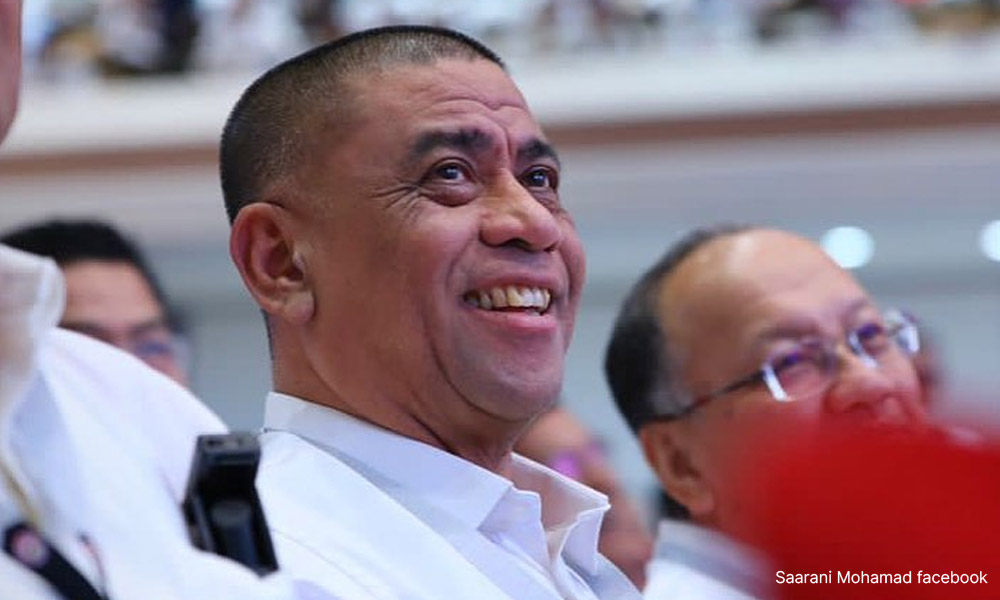
“There will be no landslides, no tree clearing, no destruction of forest reserves,” Saarani insisted, painting a picture of science-fiction-style mining that leaves the ecosystem virtually untouched.
“If it causes harm, we simply won’t allow it,” he said.
But is it that simple?
Environmental scientists familiar with ISL technology warn that the process, though less visibly destructive, can silently poison groundwater if not carefully managed.
According to a study by C Hock, Stanford University: “ISL is often considered more environmentally friendly than conventional mining methods, as it minimises surface disturbance and reduces the generation of waste rock.
“However, it poses challenges related to groundwater management, potential for groundwater contamination, and long-term environmental impacts.”
Despite its “non-radioactive” label, NR-REE mining still requires rigorous oversight. Trace elements, heavy metals, and chemical reagents may seep into surrounding soils and water.
With 70 percent to 80 percent of the estimated 1.7 million metric tonnes of Perak’s NR-REE reserves located within forest reserves - including areas in Kuala Kangsar, Kinta, and Larut Matang-Selama - the stakes are high.
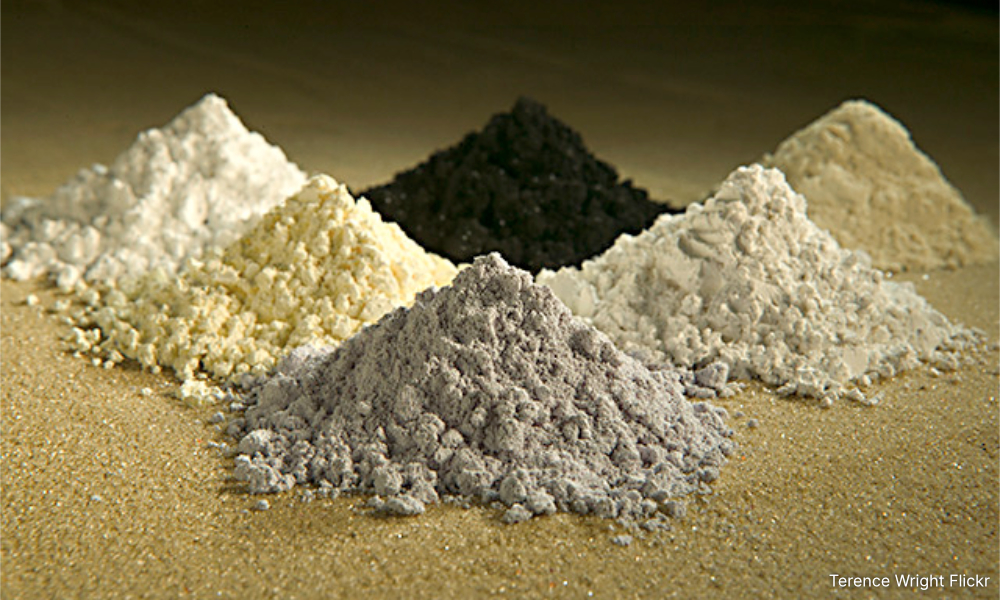
This begs the question: Where are the independent environmental scientists in this conversation?
Why are we not hearing from hydrologists, chemists, or ecologists with no financial or political stake in the matter?
Instead, the public is expected to place its trust in a politician’s podium assurance, even as history teaches us that unchecked extractive industries, however well-intentioned at the start, often end in ecological grief.
Saarani’s pledge that “we will not allow it if it causes environmental damage” is noble, but reactive.
Shouldn’t we be preventing damage, not waiting for it to appear? Especially when what’s at risk are forest ecosystems, biodiversity corridors, and long-term water security?
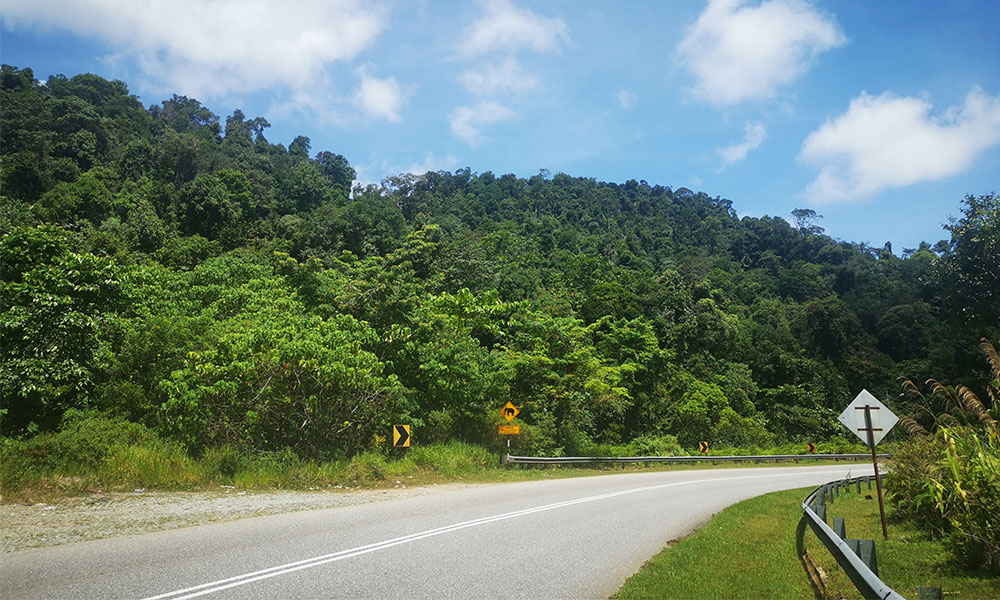
No amount of state revenue is worth risking our remaining green lungs - especially when damage from chemical leaching could take years to detect and even longer to undo.
Yes, Malaysia needs economic development. But we need environmental accountability more. That starts with putting scientists - not politicians - at the frontlines of such assurances.
Let’s not allow Perak’s green dream to become another cautionary tale in our region’s long history of ecological compromises.
JOSEPH MASILAMANY is the editor of The Petri Dish, Malaysia’s first and only science newspaper. With a keen eye on the intersection of policy, environment, and public accountability, he writes to bridge the gap between scientific fact and political fiction.
The views expressed here are those of the author/contributor and do not necessarily represent the views of Malaysiakini.
/file/publisher-c1a3f893382d2b2f8a9aa22a654d9c97/2023/04/27e7f587280eca223ef8f2db4061e439.jpg)
/file/publisher-c1a3f893382d2b2f8a9aa22a654d9c97/2024/11/b967da2aaf676f6860ddc2f632f854f4.jpg)
/file/publisher-c1a3f893382d2b2f8a9aa22a654d9c97/2023/02/b0ccbd52dcd6cfd768b98ecb98f5a9a4.jpg)
/file/publisher-c1a3f893382d2b2f8a9aa22a654d9c97/2025/05/6d056cc780c5191be9153fbf8f055fce.jpg)
/file/publisher-c1a3f893382d2b2f8a9aa22a654d9c97/2025/02/db1d872cecff69e98c410c80336545ec.jpg)


Are you sure you want to delete this comment?
This action cannot be undone.