


/file/publisher-c1a3f893382d2b2f8a9aa22a654d9c97/2024/07/9ecb4a439d53f28ddd4d633b78fb4797.jpg)

COMMENT | Clearing URA misconceptions on demolition, developers
COMMENT | Recent commentary on the proposed Urban Renewal Act (URA) raises valid concerns but also introduces several misconceptions that merit clarification.
At its core, the URA empowers redevelopment, regeneration and revitalisation of buildings that are unsafe, neglected or legally abandoned.
“Abandoned” includes stalled construction projects with no activity for six months, or projects already in receivership or winding up.
“Neglect” covers structures that pose health or safety risks. The URA is therefore a remedy for genuine urban decay rather than a licence for indiscriminate demolition.
Claims of forced displacement overlook the consent safeguards. Owners must...
COMMENT | Recent commentary on the proposed Urban Renewal Act (URA) raises valid concerns but also introduces several misconceptions that merit clarification.
At its core, the URA empowers redevelopment, regeneration and revitalisation of buildings that are unsafe, neglected or legally abandoned.
“Abandoned” includes stalled construction projects with no activity for six months, or projects already in receivership or winding up.
“Neglect” covers structures that pose health or safety risks. The URA is therefore a remedy for genuine urban decay rather than a licence for indiscriminate demolition.
Claims of forced displacement overlook the consent safeguards.
Owners must approve any scheme: 80 percent consent is required for buildings that have reached 30 years, 75 percent for older blocks and 51 percent only when engineers certify that a building is dangerous or formally abandoned.
A sizeable minority can still block any proposal they find unfavourable.
The URA also protects owners by stating that any deal must be no less favourable than what they currently enjoy. In practice, this means either a comparable replacement unit or cash that meets or exceeds present market value, neutralising fears of lost equity.
The debate also presents a false dichotomy between maintenance and demolition.
URA does not replace routine maintenance. It provides a statutory alternative when maintenance alone becomes uneconomic or land is chronically underutilised.
Owners retain full discretion. If repainting, lift overhauls or roof repairs are sufficient, they can simply decline redevelopment proposals.
Qualified developers only
Another misconception is that URA rewards developers responsible for earlier project failures.
Any new developer taking over must meet strict requirements related to capital, track record, and parent company liability for subsidiary failures.
Original developers gain no protection under the URA. The URA only activates after insolvency, winding-up or receivership proceedings commence under existing laws.
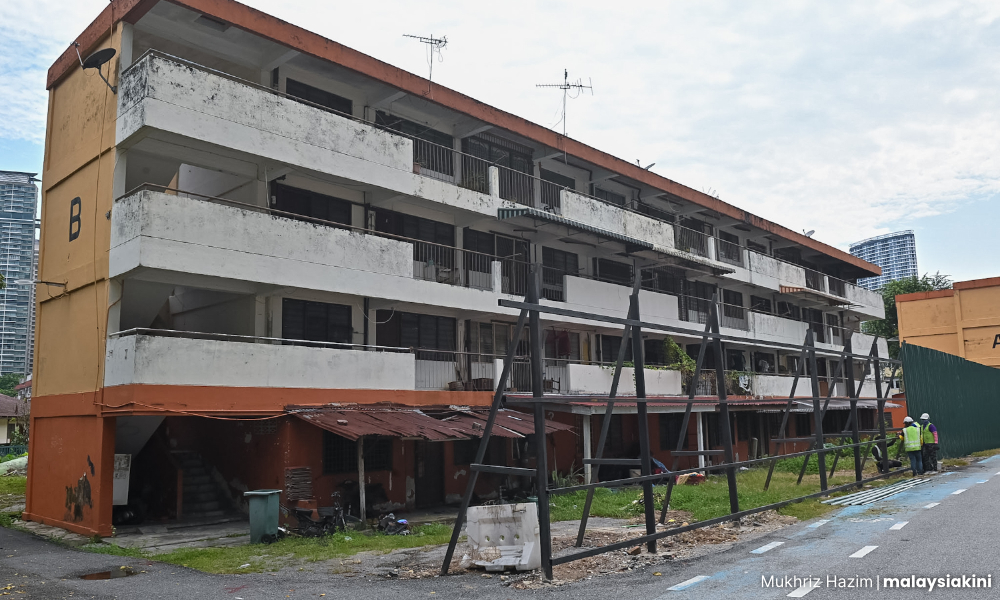
This insolvency merely triggers classification as “abandoned,” enabling authorities to step in to protect affected purchasers.
Existing liabilities under the Housing Development Act, Companies Act, and sale-and-purchase agreements remain unchanged.
Including stalled sell-then-build projects within the abandoned definition is pragmatic rather than a bailout.
It provides a clear legal pathway to rescue half-built skeletons so that innocent buyers are not left with perpetual eyesores.
URA neither softens nor increases the penalties facing the failed developer; it simply ensures that land and affected communities are not frozen in limbo.
Maintenance fees
Concerns about service charges tripling overlook the consultative design stage. Owners negotiate facilities while reaching the consent threshold.
Newer buildings often cost less to run once energy-efficient lifts, improved waterproofing, and proper sinking fund planning replace the reactive maintenance model common in many ageing high-rises.
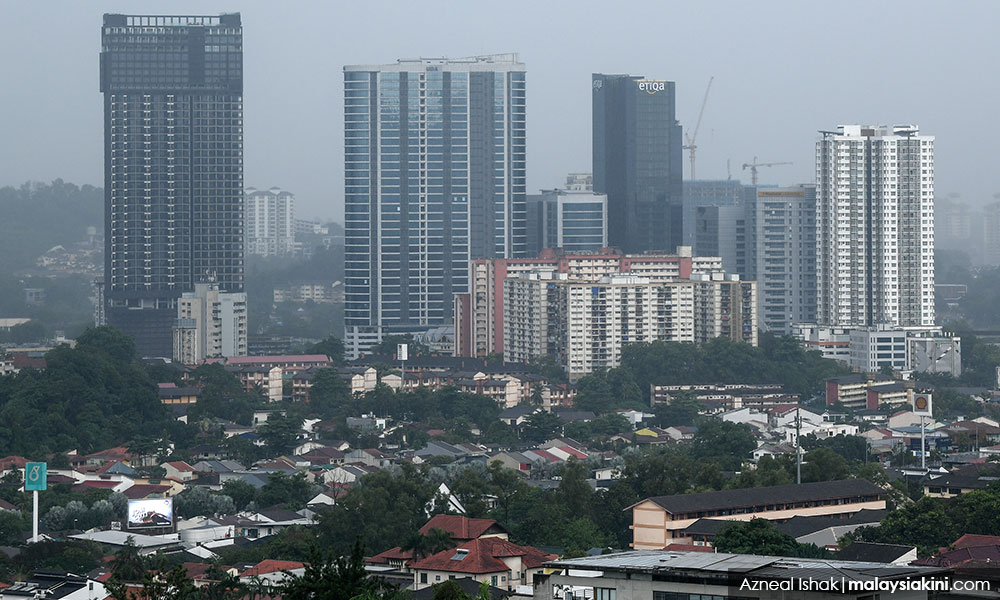
Additionally, many older buildings do not engage external professional building management, instead relying on their own management committee members, which can sometimes lead to management inefficiencies, financial leakages, or mismanagement issues.
Minimal service fees in older buildings typically reflect neglect and years of deferred maintenance rather than genuine affordability, creating a backlog of repairs that must eventually be addressed.
An informed debate on urban renewal would benefit all stakeholders involved, not alarmism.
By anchoring decisions in owner consent, fair compensation and rigorous developer vetting, the URA aims to establish a community-focused framework to revive neighbourhoods that would otherwise slip further into neglect.
WAN MUTHALIB is a researcher at INCEIF University.
The views expressed here are those of the author/contributor and do not necessarily represent the views of Malaysiakini.
/file/publisher-c1a3f893382d2b2f8a9aa22a654d9c97/2025/03/3287484bedfe270a1dba520b2a80ebd0.jpg)
/file/publisher-c1a3f893382d2b2f8a9aa22a654d9c97/2025/04/122801e7e5205bbe71b1f34b544e89e5.jpg)
/file/publisher-c1a3f893382d2b2f8a9aa22a654d9c97/2021/11/a0903c3cfd06b7cdbb6f8aa0ae128b39.jpg)
/file/publisher-c1a3f893382d2b2f8a9aa22a654d9c97/2024/07/98abc9778661734dcf622c00dcdc6528.jpg)


Report this comment
Are you sure you want to delete this comment?
This action cannot be undone.