


/file/publisher-c1a3f893382d2b2f8a9aa22a654d9c97/2024/01/b73196183e8100f9e57a4f2204b22d79.jpg)

MP SPEAKS | Gig Workers Bill: Madani in action
MP SPEAKS | The Dewan Negara passed the Gig Workers Bill 2025 on Sept 9, after it went through the Dewan Rakyat on Aug 28.
Once the bill completes the full legislative process and comes into force, it will protect 1.2 million gig workers in Malaysia.
The bill is the result of extensive engagements by the Human Resources Ministry with various stakeholders, including platform companies and worker organisations from the informal sectors.
Although there was some resistance from certain quarters, by and large, the bill has been lauded as a revolutionary step in protecting gig workers’ welfare, social security and rights.
One of the most important provisions in the bill is the mandatory contributions to Socso by these gig workers.
Previously, these workers needed to make the contributions, but the bill will now make it the obligation of platforms that offer e-hailing and p-hailing services to provide mechanisms for the contributions to be made.
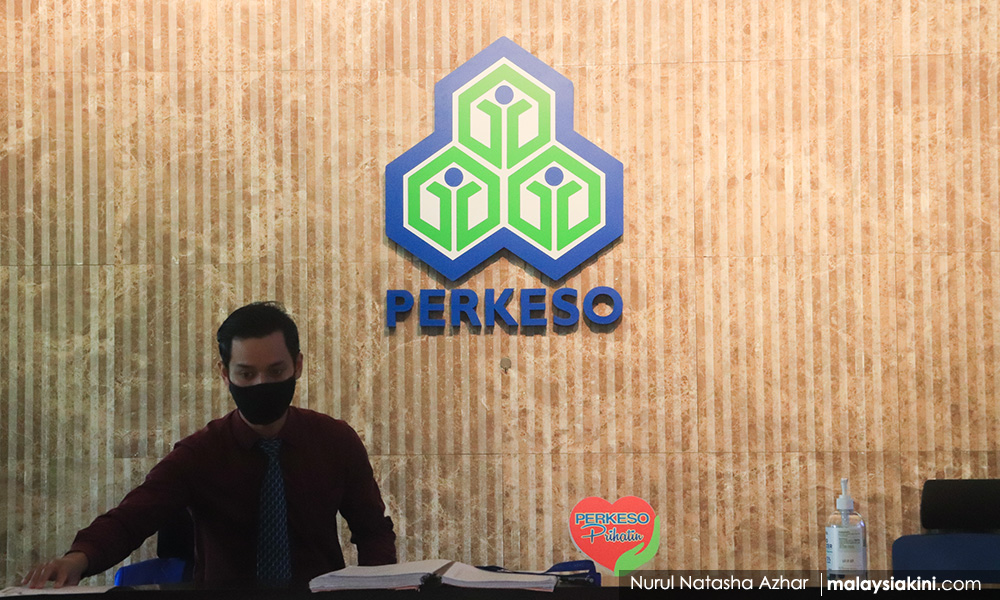
The contributions will be automatically deducted at a rate of 1.25 percent from income after commissions and tips are deducted.
According to Human Resources Minister Steven Sim, one sen will be deducted for every ringgit earned.
Another improvement is that social security protection will be granted even before payments are made. This mechanism will ensure more people will benefit from social security compared to before.
While the bill does not set a minimum payment for work done by the gig workers, it will establish a consultative council, made up of stakeholders including groups representing gig workers, to discuss and recommend aspects such as minimum earnings rates, formula to be applied and others.
Wide definition
The bill also goes beyond those in the e-hailing and p-hailing industries, and includes those in informal sectors, such as freelancers and the self-employed.
The definition is wide enough to cover musicians, freelance journalists, beauticians and those in the film and TV industry.

This is social democracy in action, providing for government intervention to protect the rights and security of the working class.
The bill also reflects the Madani principles of compassion and sustainability. It is an important reform, one that even the harshest of Madani critics must acknowledge.
Coincidentally, as the Dewan Negara debated and passed the bill, intense debate took place in our neighbouring Indonesia about the role of parliamentarians and the need to protect gig workers.
This came hot on the heels of the massive protests in Indonesia and the tragic death of a ride-hailing driver who was run over by a police vehicle during the protests. The death of Affan Kurniawan sparked further unrest in Indonesia.
Our Gig Workers Bill generated discussions and debates in the media and among netizens in Indonesia about the need to have a similar law in the country to protect gig workers, at a time when the rights and welfare of e-hailing workers there were in sharp focus.
Long overdue
We need no further proof than the accolades given to us by our neighbours to show that the bill is indeed important, revolutionary and long overdue.
Of course, the bill is not meant to be the be-all end-all for protecting gig workers.
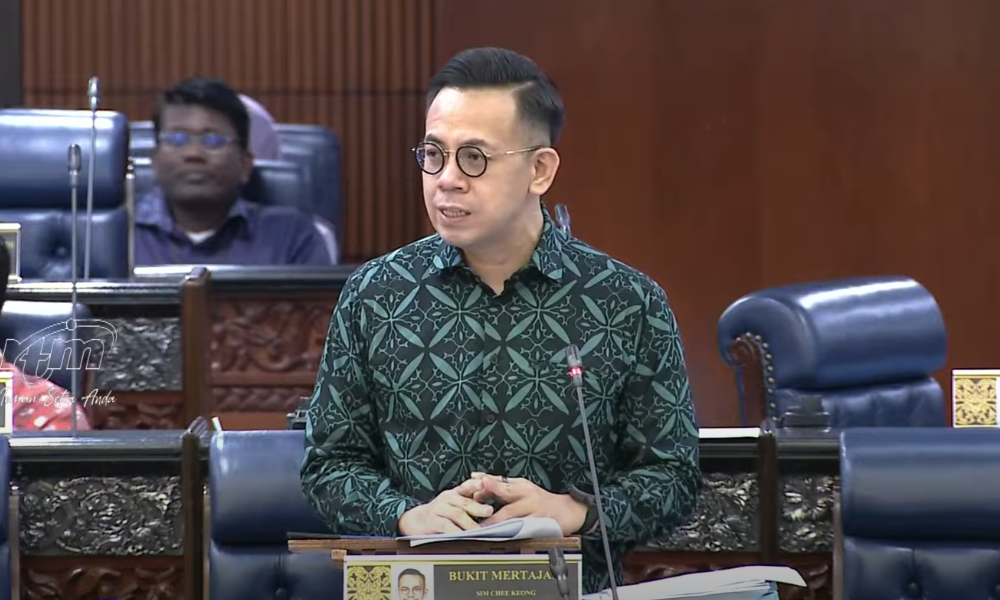
There have been some legitimate criticisms towards the bill, but Sim, ever responsive to such concerns, has assured many that these weaknesses will be looked into as further improvements.
What is most important is for our country to take the first step to finally recognise the rights of gig workers, and accord them sufficient protection so that they may live and work with dignity and respect.
The Gig Workers Bill exemplifies the very best qualities of Malaysia Madani.
SYAHREDZAN JOHAN is Bangi MP.
The views expressed here are those of the author/contributor and do not necessarily represent the views of Malaysiakini.
/file/publisher-c1a3f893382d2b2f8a9aa22a654d9c97/2020/07/d91765a0073a12d00ab9f479eb3d75f4.jpg)
/file/publisher-c1a3f893382d2b2f8a9aa22a654d9c97/2025/03/8c2ea11bfc7f352035bb3f8f70855ea5.jpg)
/file/publisher-c1a3f893382d2b2f8a9aa22a654d9c97/2025/03/ed52f8164afa2d8bb42e0866327a1bed.jpg)
/file/publisher-c1a3f893382d2b2f8a9aa22a654d9c97/2020/04/ec68e8135f94fdfab861602a6258af89.jpg)
/file/publisher-c1a3f893382d2b2f8a9aa22a654d9c97/2025/08/ef484cf725c298911e207f35b95f8bea.jpg)


Report this comment
Are you sure you want to delete this comment?
This action cannot be undone.