


/file/publisher-c1a3f893382d2b2f8a9aa22a654d9c97/2022/08/1826864ba275b661bfd6c8dd164e6a9d.jpg)

COMMENT | Reforming Malaysia's defence amid corruption
Malaysia’s ongoing military procurement scandal has exposed significant vulnerabilities in the governance and oversight of its armed forces.
Senior army personnel, including former army chief Hafizuddeain Jantan, are facing formal charges of corruption, money laundering, and irregularities in the awarding of high-value defence contracts.
The MACC has conducted raids, seized luxury assets, and frozen company accounts linked to these allegations, underscoring the scale of systemic malfeasance.
This crisis not only erodes public trust but also jeopardises the country’s ability to invest strategically in next-generation technologies, including AI-enabled drones and autonomous systems.
Corruption in defence procurement has direct implications for national security. Inflated contracts, opaque tender processes, and collusion between contractors and military officials...
COMMENT | Technological adaptation alone is insufficient if the institutional integrity of the defence sector is compromised.
Malaysia’s ongoing military procurement scandal has exposed significant vulnerabilities in the governance and oversight of its armed forces.
Senior army personnel, including former army chief Hafizuddeain Jantan, are facing formal charges of corruption, money laundering, and irregularities in the awarding of high-value defence contracts.
The MACC has conducted raids, seized luxury assets, and frozen company accounts linked to these allegations, underscoring the scale of systemic malfeasance.
This crisis not only erodes public trust but also jeopardises the country’s ability to invest strategically in next-generation technologies, including AI-enabled drones and autonomous systems.
Corruption in defence procurement has direct implications for national security. Inflated contracts, opaque tender processes, and collusion between contractors and military officials siphon resources away from critical modernisation programmes.
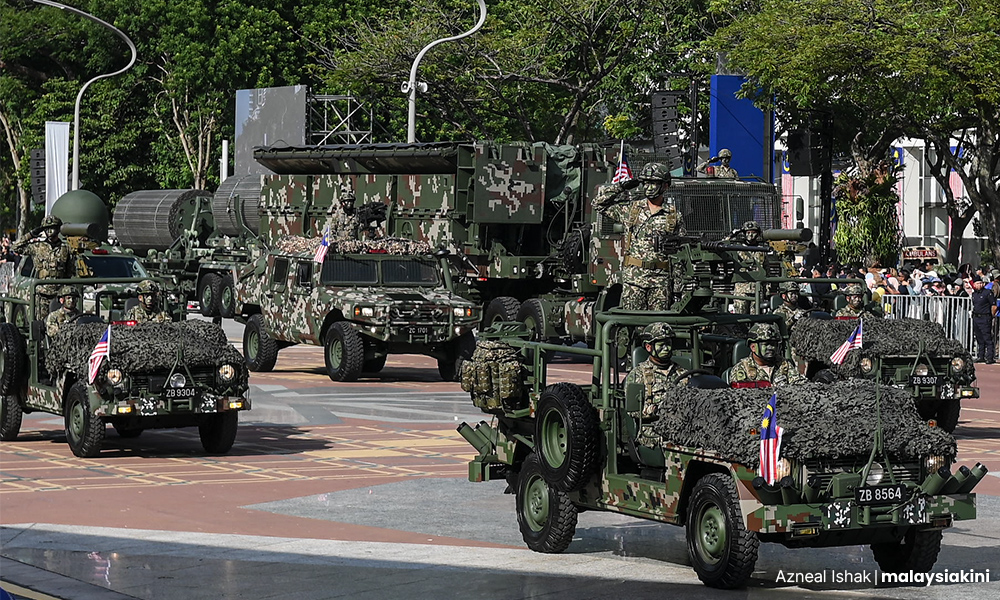
AI-driven capabilities, cyber defence infrastructure, and advanced UAVs require significant investment, and any diversion of funds delays operational readiness. Beyond financial consequences, corruption undermines strategic decision-making.
Trust between military leadership, procurement agencies, and the government becomes compromised, creating friction in long-term planning and reducing morale among rank-and-file personnel.
Without addressing these systemic flaws, even the most sophisticated technological adoption risks being ineffective or mismanaged.
Building accountable systems
To restore credibility and operational effectiveness, Malaysia must pursue comprehensive governance reforms. Transparent and competitive procurement processes are essential. Tendering should leverage digital analytics and AI tools to detect anomalies, flag conflicts of interest, and ensure fair competition.
High-value contracts need to undergo rigorous parliamentary oversight, with independent committees monitoring compliance with strategic objectives and ethical standards.
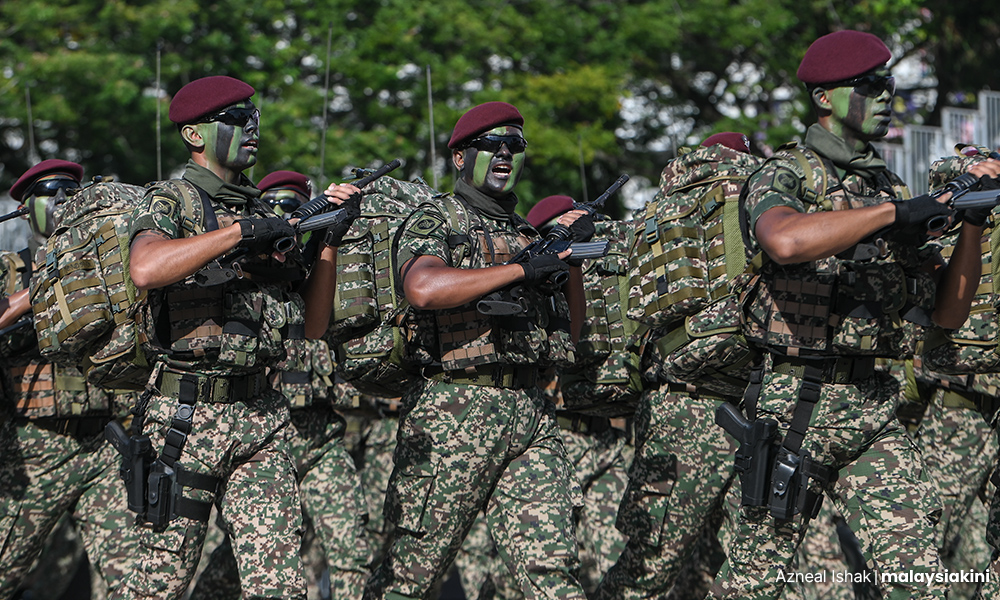
Blockchain-based audit systems or digital forensics platforms can provide immutable transaction records, reducing opportunities for fraud and improving accountability.
These reforms are crucial to ensure that investments in AI and autonomous systems translate into operational capability rather than being lost to corruption.
Equally critical is cultivating a culture of ethical responsibility within the military.
Human judgment must remain central to decisions involving autonomous systems. Ethical frameworks should guide the deployment of AI-enabled drones, ensuring compliance with domestic law, international humanitarian law, and human rights norms.
Personnel require training not only in technical competencies but also in accountability, decision-making ethics, and the responsible use of emerging technologies. By embedding ethics into training and operational doctrine, Malaysia can reduce operational risks while enhancing public trust in the armed forces.
The integration of AI into the military must also address emerging threats from both state and non-state actors. Autonomous drones and AI-driven intelligence systems can provide critical advantages in surveillance, rapid response, and defensive operations.
Yet adversaries, including cyber actors, insurgent networks, and regional competitors, are simultaneously developing countermeasures.
The armed forces ought to invest in defensive AI capabilities, electronic warfare, and resilient communication networks to protect these assets.
Innovation and integrity
A proactive, rather than reactive, posture will ensure that Malaysia is not only technologically competitive but strategically secure.
Moreover, addressing corruption and implementing AI-driven modernisation are interconnected.
By reforming procurement practices and institutionalising accountability, Malaysia can ensure that resources for autonomous systems and AI projects are protected and effectively utilised. This alignment between governance and technology is essential for operational success.
Lessons from global counterparts, including Israel and the United States, demonstrate that technological superiority must be accompanied by organisational integrity to deliver sustainable defence outcomes.
In a nutshell, Malaysia faces a dual challenge: integrating advanced AI and drone technologies while simultaneously reforming defence procurement and governance to eliminate corruption.
The ongoing MACC investigations highlight the urgency of systemic reform, particularly as the country seeks to modernise its armed forces for autonomous and AI-driven warfare.
A dedicated AI and autonomous systems division, coupled with robust governance frameworks, ethical oversight, and strategic defence planning, can position Malaysia to meet 21st-century threats effectively.
By combining technological innovation with institutional integrity, Malaysia can ensure both national security and public confidence in the armed forces, safeguarding sovereignty in an increasingly contested region.
R PANEIR SELVAM is the principal consultant of Arunachala Research & Consultancy Sdn Bhd (Arrescon), a think tank specialising in strategic national and geopolitical matters.
The views expressed here are those of the author/contributor and do not necessarily represent the views of Malaysiakini.
/file/image/75310929_605.jpg)
/file/publisher-c1a3f893382d2b2f8a9aa22a654d9c97/2024/02/01651ef75663d666fa191d0f86659dc2.jpg)
/file/publisher-c1a3f893382d2b2f8a9aa22a654d9c97/2026/02/0a31ac5a1535ebd8d0ecca0af05ba50e.jpg)
/file/publisher-c1a3f893382d2b2f8a9aa22a654d9c97/2021/05/f7cefe8b47fd26afb56d137200fb8827.jpg)


Are you sure you want to delete this comment?
This action cannot be undone.