


/file/publisher-c1a3f893382d2b2f8a9aa22a654d9c97/2025/07/f0b937528bea08ddead4373f89e8f079.jpg)

COMMENT | US tariff shockwaves and Malaysia's strategic calculus
COMMENT | Malaysia now stands at a critical policy crossroads following a landmark decision by the United States Supreme Court that invalidated a substantial portion of President Donald Trump’s global tariff framework.
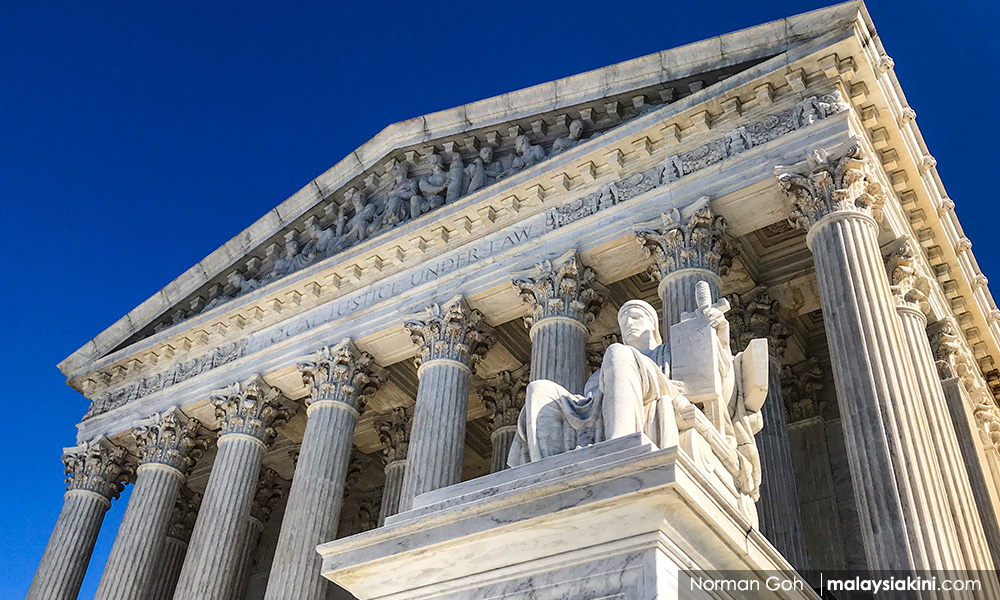
In a 6-3 majority opinion delivered by Chief Justice John Roberts, the court ruled that the statutory provisions invoked by the administration did not authorise the president to impose sweeping global tariffs.
Although judges Clarence Thomas, Samuel Alito, and Brett Kavanaugh dissented, the majority’s message was unmistakable: executive power in trade policy is constitutionally limited.
For Malaysia, the implications are...
COMMENT | Malaysia now stands at a critical policy crossroads following a landmark decision by the United States Supreme Court that invalidated a substantial portion of President Donald Trump’s global tariff framework.
In a 6-3 majority opinion delivered by Chief Justice John Roberts, the court ruled that the statutory provisions invoked by the administration did not authorise the president to impose sweeping global tariffs.
Although judges Clarence Thomas, Samuel Alito, and Brett Kavanaugh dissented, the majority’s message was unmistakable: executive power in trade policy is constitutionally limited.
For Malaysia, the implications are both immediate and strategic. Investment, Trade and Industry Minister Johari Abdul Ghani has confirmed that Malaysia signed the Agreement on Reciprocal Trade with the US but has not yet ratified it.
This distinction is consequential. Legal volatility within the US directly affects the predictability and durability of any bilateral trade arrangement.
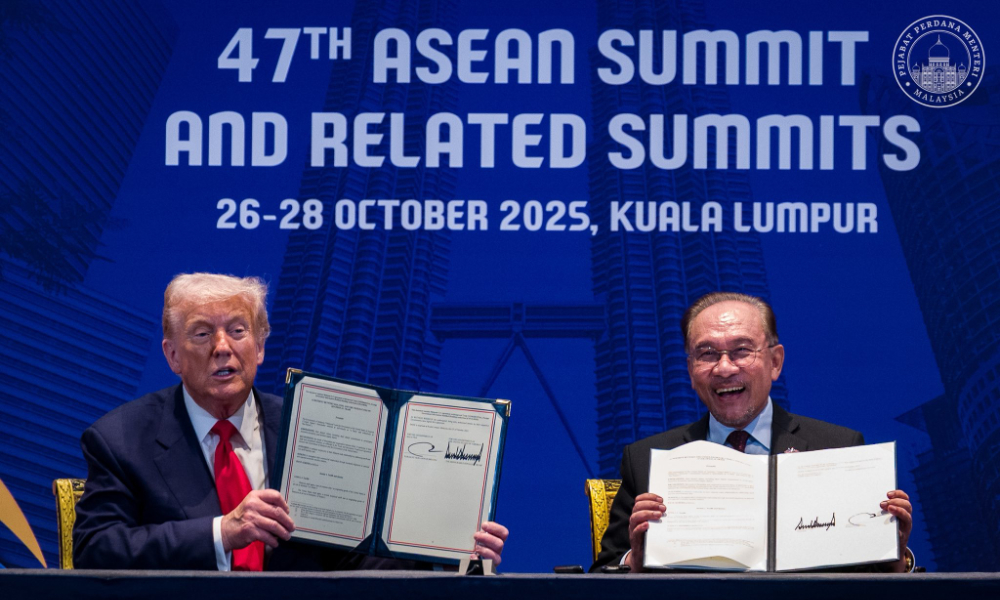
The issue is no longer confined to tariff levels. It now encompasses institutional credibility, constitutional limits on executive authority, global supply chain stability, and Malaysia’s positioning in a world where even the largest economy must operate within judicially enforced constraints.
The Supreme Court’s ruling did more than nullify tariffs. It reaffirmed congressional primacy over commerce under Article I of the US Constitution.
In doing so, it introduced a new risk variable into international trade negotiations: domestic judicial review. Future tariff measures may face legislative bottlenecks or renewed legal challenges, increasing uncertainty for trade partners, including Malaysia.
The situation quickly evolved. Following the ruling, Trump announced new global tariffs of 10 percent, later raised to 15 percent.
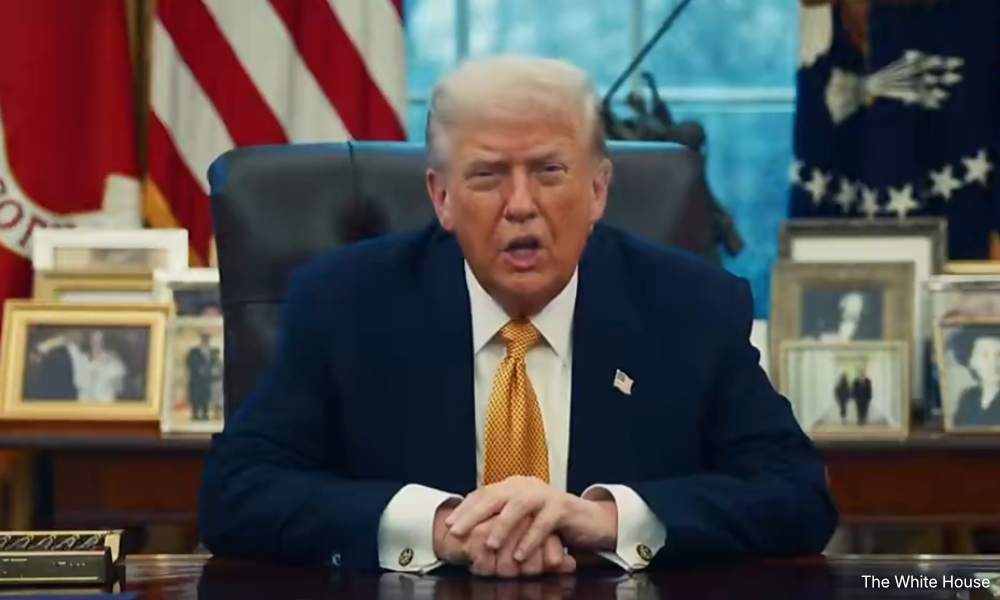
Financial markets reacted positively in the short term, with US equities rising on expectations of reduced trade friction. Nevertheless, policy clarity remains uncertain. The US appears to be recalibrating its approach rather than retreating from protectionist tendencies.
Market volatility
What does this development signify for Malaysia?
From a legal perspective, Malaysia’s decision to withhold ratification of the trade agreement was prudent.
Under the Vienna Convention on the Law of Treaties, signature does not automatically create binding obligations unless expressly stipulated. Malaysia retains sovereign discretion to evaluate whether US commitments remain credible and enforceable in light of constitutional constraints.
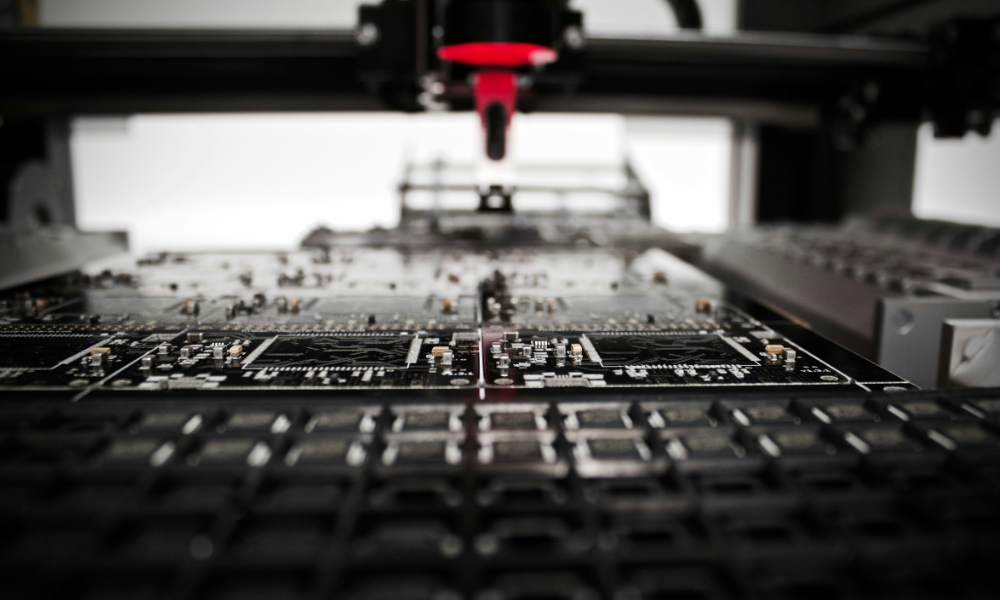
Economically, the volatility underscores Malaysia’s exposure to external policy shifts. The US remains a major trading partner, particularly in electronics, semiconductors, palm oil derivatives, medical devices, and manufacturing supply chains.
If US tariff policy becomes subject to recurring judicial contestation, Malaysian exporters may face a risk premium embedded in pricing, logistics, and compliance planning.
Geopolitically, this episode reinforces a broader structural reality: predictable, rules-based trade leadership from major powers is under strain. Trade policy is increasingly shaped by domestic political cycles, judicial oversight, and national security considerations.
For middle-income economies such as Malaysia, resilience must be institutional and forward-looking rather than reactive.
Mitigation
The immediate effect of a 10-15 percent global tariff depends on product classification and sectoral exemptions. Broad-based application would compress margins for affected exporters.
However, carve-outs - particularly for strategic semiconductor supply chains - could mitigate adverse impacts. The US remains reliant on Asian manufacturing ecosystems, and indiscriminate tariff escalation carries inflationary risks for its own economy.
Malaysia’s policy response should be structured along three coordinated pillars.
First, sustained legal and diplomatic engagement. Malaysia must maintain continuous dialogue with US trade representatives to clarify the statutory basis of new tariff measures.
If executive authority is constrained, congressional alignment becomes essential. Engagement with both branches of government is, therefore, a strategic imperative.
Second, diversification. The court’s ruling highlights the vulnerability inherent in overreliance on a single market.
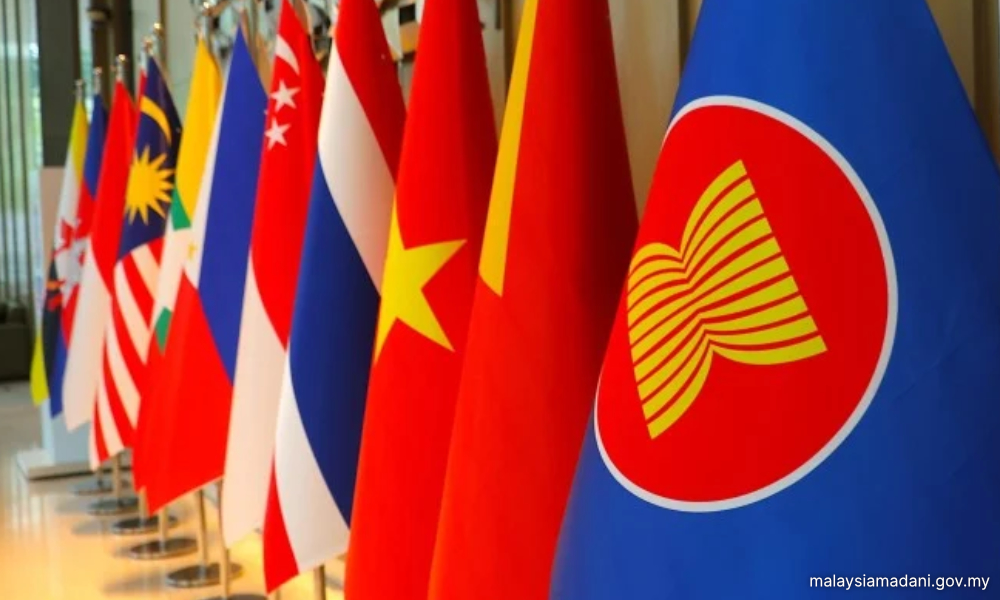
Malaysia’s participation in RCEP, CPTPP, and Asean trade architecture should be strengthened to deepen regional supply chain integration and reduce exposure to unilateral disruptions.
Third, domestic competitiveness. Tariffs function as cost multipliers. Enhancing value-added manufacturing, technological sophistication, and productivity reduces vulnerability to blunt trade instruments.
Structural reforms under the Madani framework - governance transparency, industrial upgrading, and SME digitalisation - serve as economic safeguards.
Stepping up research
A research gap also warrants attention. Public discourse often emphasises tariff percentages but overlooks enforcement mechanisms.
If US courts restrict executive authority, future tariffs may require congressional legislation, national security statutes, or sector-specific authorisations.
Each pathway carries distinct durability and risk implications. Malaysian policymakers must monitor not only tariff announcements but also the legal foundations underlying them.
Paradoxically, the Supreme Court’s intervention may enhance long-term predictability. By clarifying constitutional limits, it reinforces institutional checks and balances.
Although short-term volatility increases, rule-of-law discipline may ultimately stabilise trade frameworks.
Malaysia should neither overreact to headline developments nor underestimate structural shifts.
A calibrated approach is advisable: defer ratification until legal clarity improves; conduct sectoral exposure assessments; prepare contingency mitigation strategies; and accelerate Asean-centred integration.
The central insight is clear: sovereignty in trade policy is safeguarded through preparedness, not confrontation.
Malaysia’s cautious stance reflects institutional maturity. By evaluating implications before ratification, the government signals that bilateral agreements must rest on legal certainty rather than political fluctuation.
Malaysia’s adaptability
The global trade environment is entering a period of recalibration. The US is redefining executive authority within constitutional boundaries. Markets are responding to judicial decisions as much as policy announcements.
In this context, Malaysia’s advantage lies in strategic patience, diversified partnerships, and institutional resilience.
The fundamental question is not whether US tariffs will fluctuate in the coming months. It is whether Malaysia can convert volatility into strategic leverage - strengthening its industrial base while engaging constructively with major powers.
If managed prudently, this moment represents opportunity rather than threat: an opportunity to reaffirm sovereignty, deepen regional integration, and position Malaysia as a stable, rules-based partner in an uncertain global economy.
The era of impulsive trade policymaking is yielding to judicial scrutiny and political recalibration. Malaysia’s mandate is clear - navigate turbulence with discipline, foresight, and strategic confidence.
AZAM MOHD is an independent political and economic analyst.
The views expressed here are those of the author/contributor and do not necessarily represent the views of Malaysiakini.
/file/publisher-c1a3f893382d2b2f8a9aa22a654d9c97/2025/07/f0b937528bea08ddead4373f89e8f079.jpg)
/file/publisher-c1a3f893382d2b2f8a9aa22a654d9c97/2026/02/676639aa1c4481a2bae3f8d96d125ca7.jpg)
/file/publisher-c1a3f893382d2b2f8a9aa22a654d9c97/2025/10/fbbbd72fc00c6ed697cf9a24aa6c95f3.jpg)
/file/publisher-c1a3f893382d2b2f8a9aa22a654d9c97/2024/07/bda203327d9475e8db56343ac01872e5.jpg)
/file/publisher-c1a3f893382d2b2f8a9aa22a654d9c97/2026/01/cdb42515d79d18803fcc830e588a3de5.jpg)
/file/publisher-c1a3f893382d2b2f8a9aa22a654d9c97/2024/09/cb9ead2ea7372f82756de599624ce144.jpg)


Are you sure you want to delete this comment?
This action cannot be undone.