


/file/publisher-c1a3f893382d2b2f8a9aa22a654d9c97/2024/10/18cc2e3bb61a2719103c4bd97831ad41.jpg)

MP SPEAKS | Multiracialism in danger of being lost in transition
MP SPEAKS | Splinter parties: In professing the same ideology as the parent political party, splinter parties generally do more harm than good for the original movement.
Hung Parliament: The 15th general election resulted in a hung Parliament, with no single party or coalition winning enough seats to form the federal government.
Due to necessity, a minority government has to form a post-election coalition based on practical considerations instead of shared ideologies or common core values.
The unity government, by its composition, obviously cannot satisfy the supporters of each of its component parties.
This uneasy coalition needs to constantly find common ground to overcome the irreconcilable tension between coalition parties of divergent interests and priorities, or risk the coalition breaking.
Unfulfilled expectations: Without giving due consideration to the fact that the unity government consists of 19 parties of differing ideologies and dissimilar values, the formation of splinter parties spurred by differences in opinion, impatience in the apparent slow pace of reforms, and disappointment arising from high expectations now puts multiracialism in danger of being lost in transition.
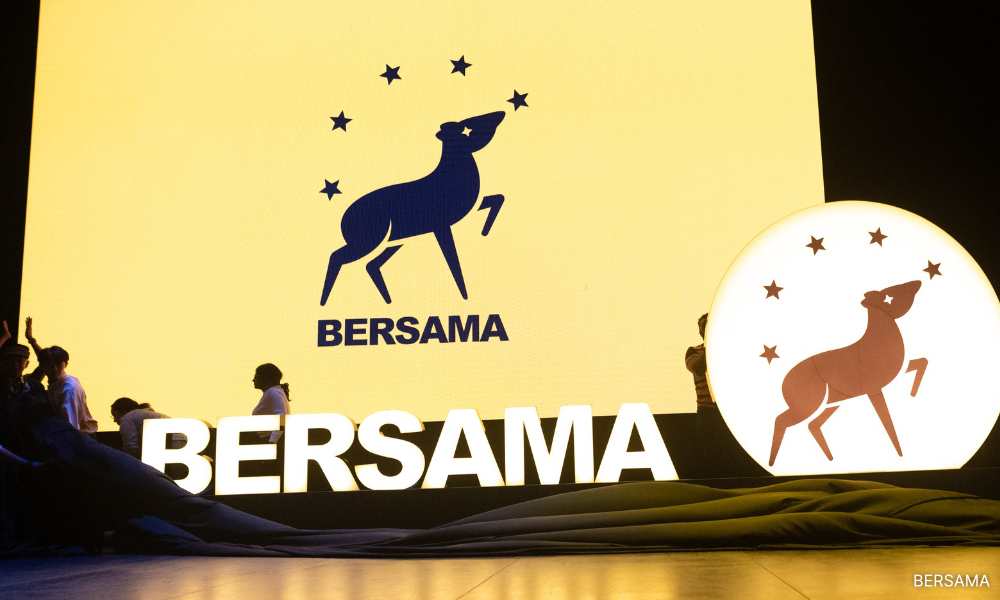
Indisputable fact: It is indisputable that splinter political parties in the usual course of things not only disrupt the parent party but, in the process, damage the original movement.
Splinter parties, while offering voters more choices in respect of the specific grievances of the particular ideology, contribute to political fragmentation by diluting the movement’s supporters.
It also leads to a potentially less stable political environment and difficulty in forming strong governing coalitions.
Split votes: The splinter party competes with the parent party for the same pool of voters.
Studies have shown that, typically, in the first election after the split, the combined number of votes of the parent party and the splinter party is approximately the same as the total number of votes obtained by the parent party in the last election before the fission.
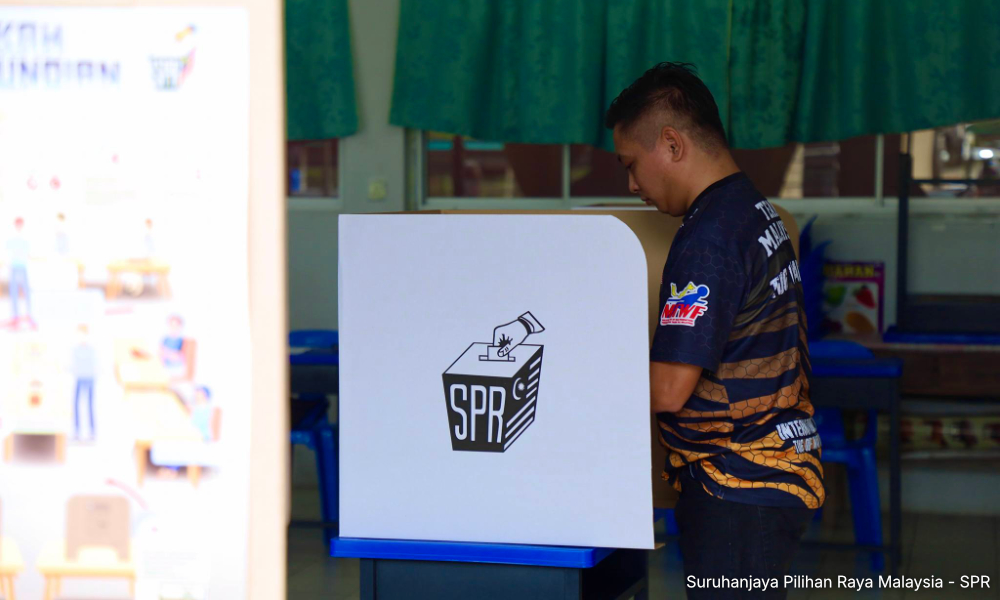
By competing for the same ideological demographic, parent and splinter parties split the votes.
Depleted resources: The split divides the movement’s resources for campaign funds, experienced organisers, and dedicated volunteers, thereby weakening both the campaigns by the parent and splinter party.
Voter fatigue: Bitter public disputes over whether the splinter party is following the “true path” or the parent party has deviated from the ideals of the original movement lead to voter confusion and breed reform fatigue.
In the end, disillusioned supporters withdraw entirely from the electoral process.
Mutual destruction: In the first-past-the-post election system, the split votes, depleted resources, and voter fatigue mean both the parent party and splinter party lose by handing victory to the rival political competitor.
Example of splinter parties and fragmentation: In terms of the ethno-religious conservative ideological movement, from the parent political party Umno, emerged splinter parties such as PAS, and later Bersatu.
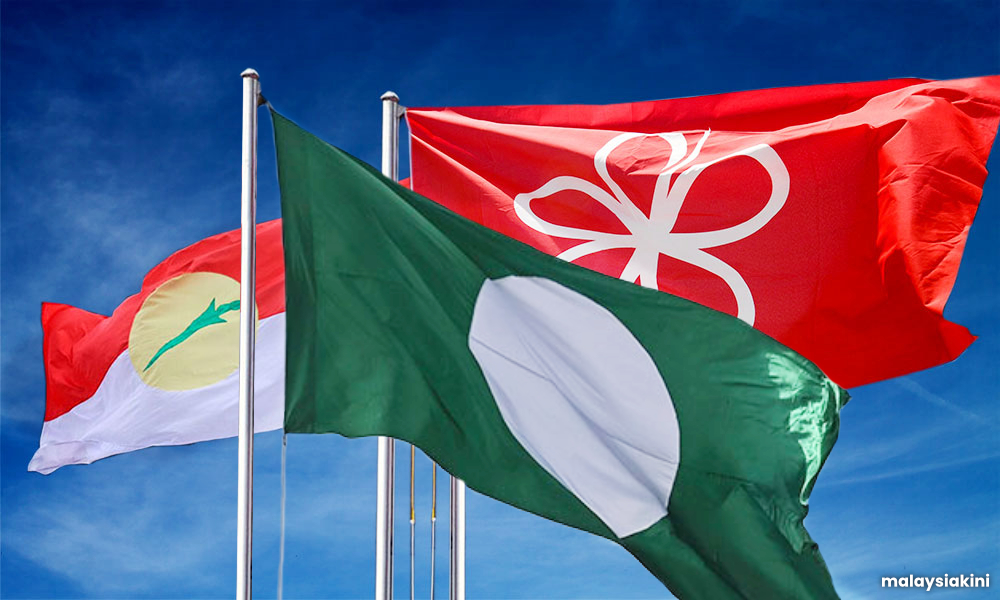
Further fragmentation came in the form of Parti Bangsa Malaysia and parties in the Gerakan Tanah Air coalition, consisting of Pejuang, Putra, Berjasa, and Iman.
With the splintering and fragmentation, Umno/BN failed to win enough seats in GE15 to form the federal government on its own.
The Perikatan Nasional coalition of PAS and Bersatu was not able to form the federal government on its own either.
Multiracial parties squeezing through: In GE15, the Pakatan Harapan coalition of multiracial parties won 82 seats and obtained 38 percent of the popular vote, while PN won 74 seats and obtained 30.12 percent and BN won 30 seats with 23.4 percent.
The divided voter base of the two Malay-Muslim coalitions allowed Harapan to squeeze through.
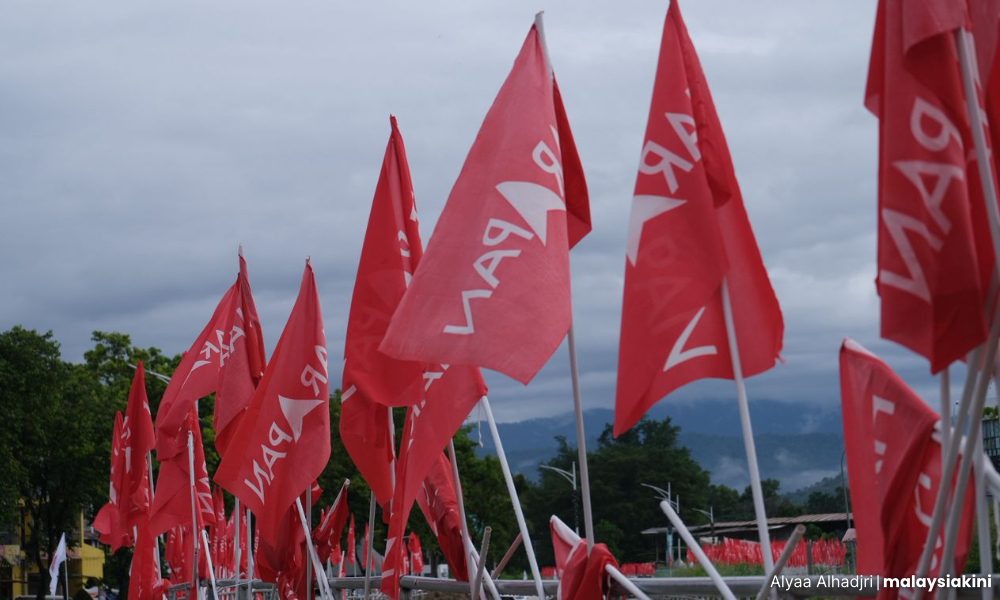
However, it is to be noted that PAS won 44 seats to emerge as the single largest political party in Parliament with the onset of a “Green Wave”, sweeping through Terengganu, Kelantan, Perlis and Kedah, with major inroads in Penang, Perak, and Selangor.
PAS is no longer the party of only rural Malays but is now also the party of choice for middle-class urban Malays, including many civil servants.
The dilution of the multiracial voter base in the face of the Green Wave will have a serious effect in an anticipated, tightly fought GE16.
The political reality: Multiracialism in Malaysia reflects an ongoing struggle to balance an ethnically diverse demographic reality with a state-sponsored, race-based political framework.
With the different ethnic groups - comprising Malays, Chinese, Indians, indigenous groups, and natives of Sabah and Sarawak - it faces tension between progressives, civic-national ideas, and conservative identity.

The transition towards a post-racial Malaysia has to overcome the obstacles raised by political gatekeepers and entrenched institutional structures.
Progress hinges on navigating the divide between formal ethno-religious divisions and everyday multiculturalism practised by Malaysians on the ground.
In the haste for quick results, one must be careful not to throw the baby out with the bathwater.
WILLIAM LEONG is Selayang MP.
The views expressed here are those of the author/contributor and do not necessarily represent the views of Malaysiakini.
/file/publisher-c1a3f893382d2b2f8a9aa22a654d9c97/2022/06/619ca3100e80631d18fd812e6d5fa04a.jpg)
/file/publisher-c1a3f893382d2b2f8a9aa22a654d9c97/2025/01/cebd24bdc662ce7340e5c67ec76503e6.jpg)
/file/publisher-c1a3f893382d2b2f8a9aa22a654d9c97/2026/03/8f603927c4760b6a608d5c43e2e6f57f.jpg)
/file/publisher-c1a3f893382d2b2f8a9aa22a654d9c97/2024/12/21b19b34863fbfe33994ba7c690155e4.jpg)
/file/publisher-c1a3f893382d2b2f8a9aa22a654d9c97/2023/03/461795a25c23b86e5527267832817745.jpg)
/file/publisher-c1a3f893382d2b2f8a9aa22a654d9c97/2026/03/2534035e758869717e97db69c16db2e6.jpg)


Report this comment
Are you sure you want to delete this comment?
This action cannot be undone.