


/file/publisher-c1a3f893382d2b2f8a9aa22a654d9c97/2026/06/a9107d375464c1d6a35a437c73fbef96.jpg)

Gateway to Gawai: Where the Journey Home Begins
Every year, as Hari Gawai approaches, Sarawak begins to carry a familiar sense of anticipation. It is felt in the pull of home, in the quiet excitement of reunion, and in the journeys that bring people back to family, community and culture. For many Sarawakians, Gawai is not only a celebration marked on the calendar. It is a season of return, a reminder of where one comes from, what one carries, and the traditions that continue to shape a sense of belonging.
Traditionally celebrated by the Dayak communities of Sarawak, Hari Gawai is known as a harvest festival. It is a time to give thanks for blessings, abundance and renewal, while honouring customs that have been passed down through generations. Yet, Gawai is more than a festive occasion. It is also a celebration of gratitude, family, community, and heritage.
During this season, elders, younger generations, families and guests come together in shared spaces of memory and celebration. Culture is not only seen through traditional attire, music or dance. It is felt in the way guests are welcomed, in the meals prepared, in the stories shared across generations, and in the quiet pride of keeping traditions alive.
For Sarawakians living away from home, Gawai often carries a deeply personal meaning. It is the chance to return to familiar faces, familiar food and familiar sounds. It is the journey back to longhouses, family homes and conversations that continue late into the night. It is also a time when younger generations reconnect with traditions they may experience less often in urban life, strengthening the connection between past and present.
For visitors, Gawai offers a meaningful way to understand Sarawak beyond sightseeing. It is not simply a festival to observe from a distance, but a cultural experience that welcomes people in. Through open houses, shared meals, community gatherings and visits to longhouses, travellers are introduced to Sarawak through its people, warmth, hospitality and pride in keeping culture alive.
The beauty of Gawai lies not only in how it is celebrated, but in what each part of the celebration represents. Food is more than part of the festive table. It is a symbol of sharing, care and hospitality. Traditional dishes, family recipes and festive treats carry stories of home and memory, prepared not only to feed, but to welcome. Longhouse gatherings reflect a way of life built on community, togetherness and shared belonging, where stories are exchanged, laughter is shared and traditions are passed from one generation to another.
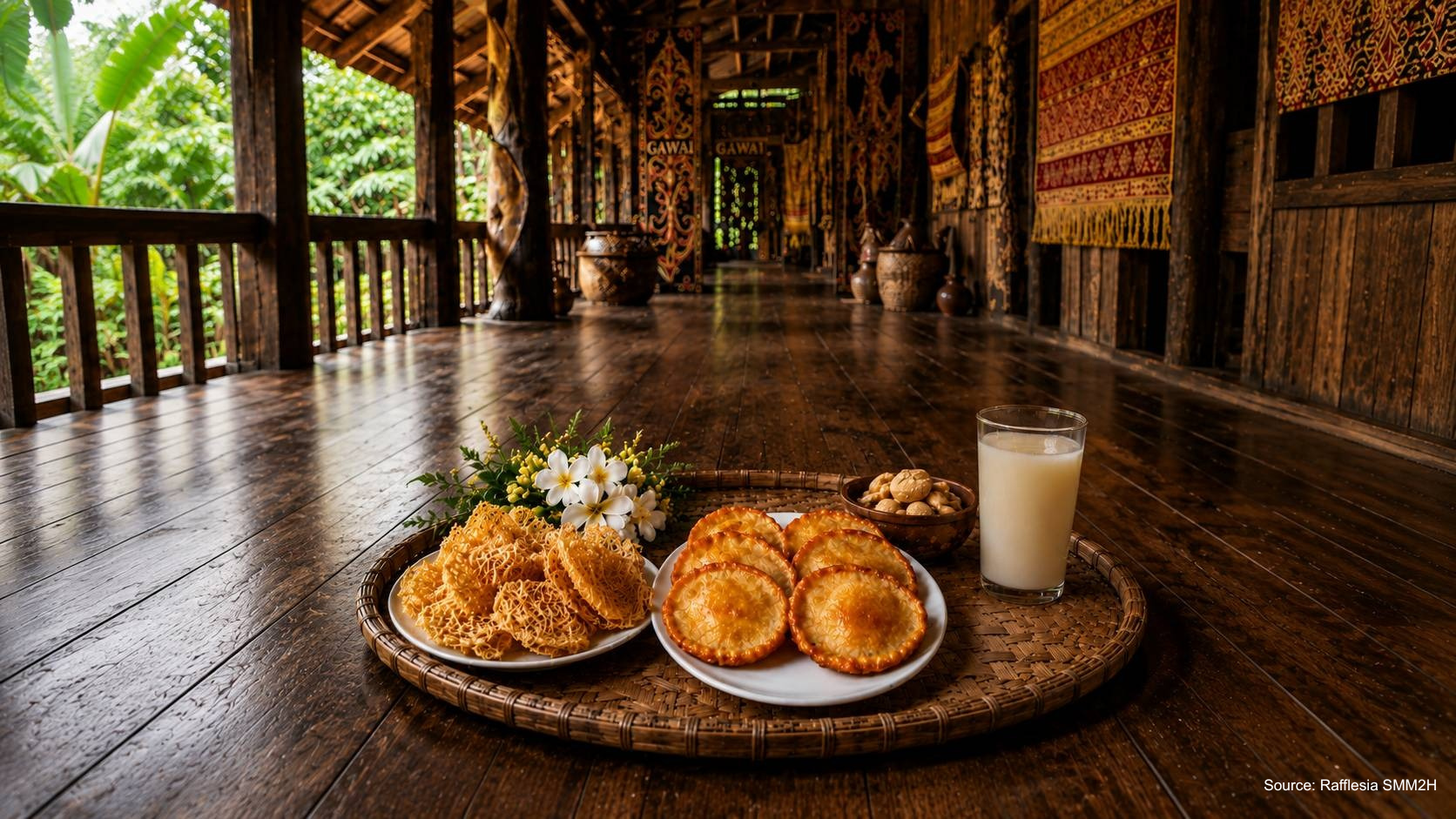
In this way, Gawai becomes more than something to see. It becomes something to feel.
While Gawai is celebrated in homes, longhouses and communities across Sarawak, the journey often begins much earlier. For many travellers, it begins at the airport. Airports are usually seen as places of movement, where people arrive, depart and continue their journeys. But during a season like Gawai, they become something more emotional. They become the first point of connection, the place where homecoming starts to feel real, and the place where visitors receive their first impression of Sarawak.
In the days leading up to Gawai, airports across Kuching, Sibu, Miri and Bintulu often carry a different kind of energy. Arrival halls become spaces of reunion, filled with families waiting for loved ones they may not have seen for months. Suitcases carry not only clothes, but gifts, stories and the anticipation of long-awaited gatherings. For some, the airport marks the final stretch of a journey home. For others, it is the beginning of their first cultural experience in Sarawak.
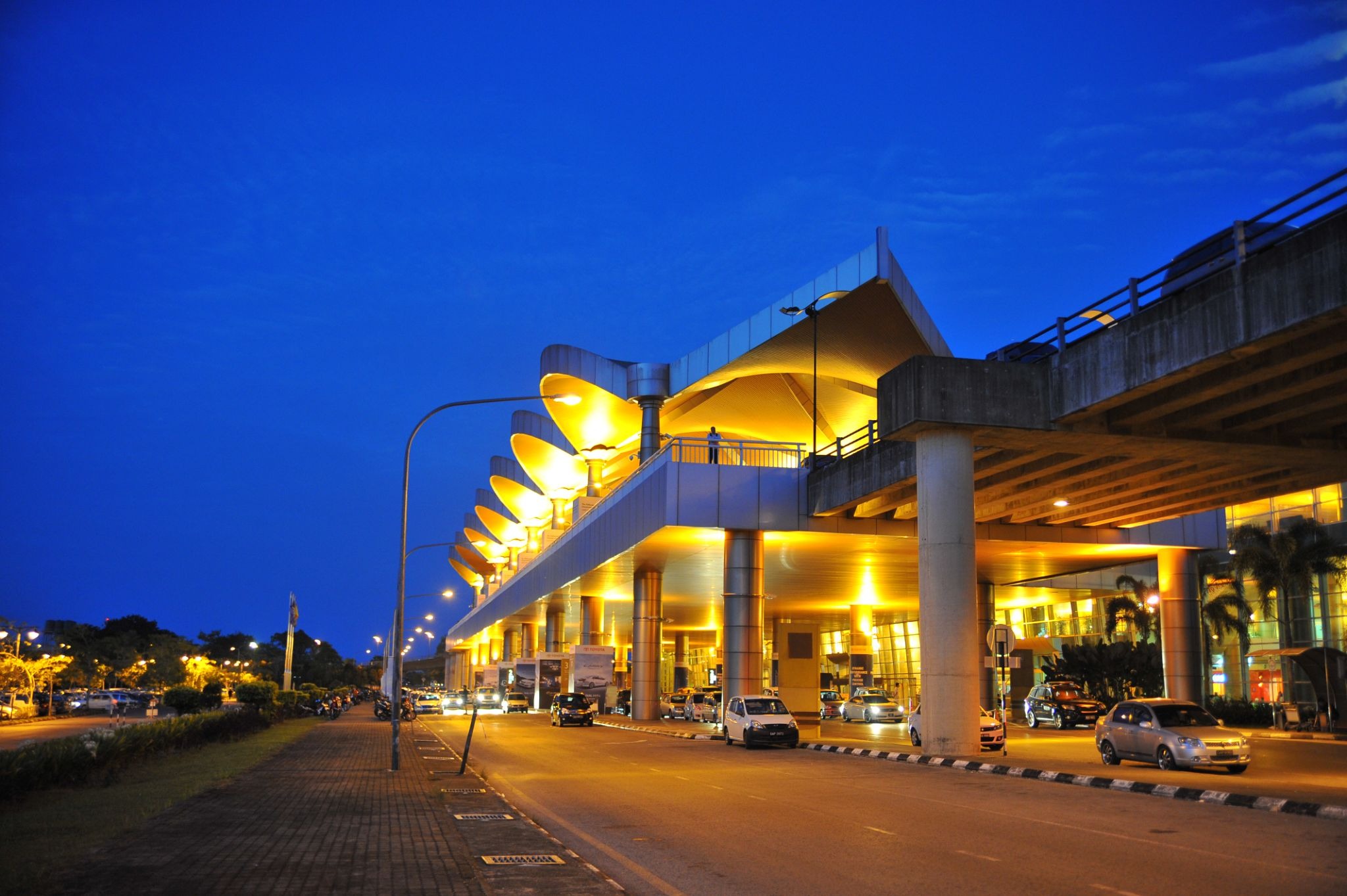
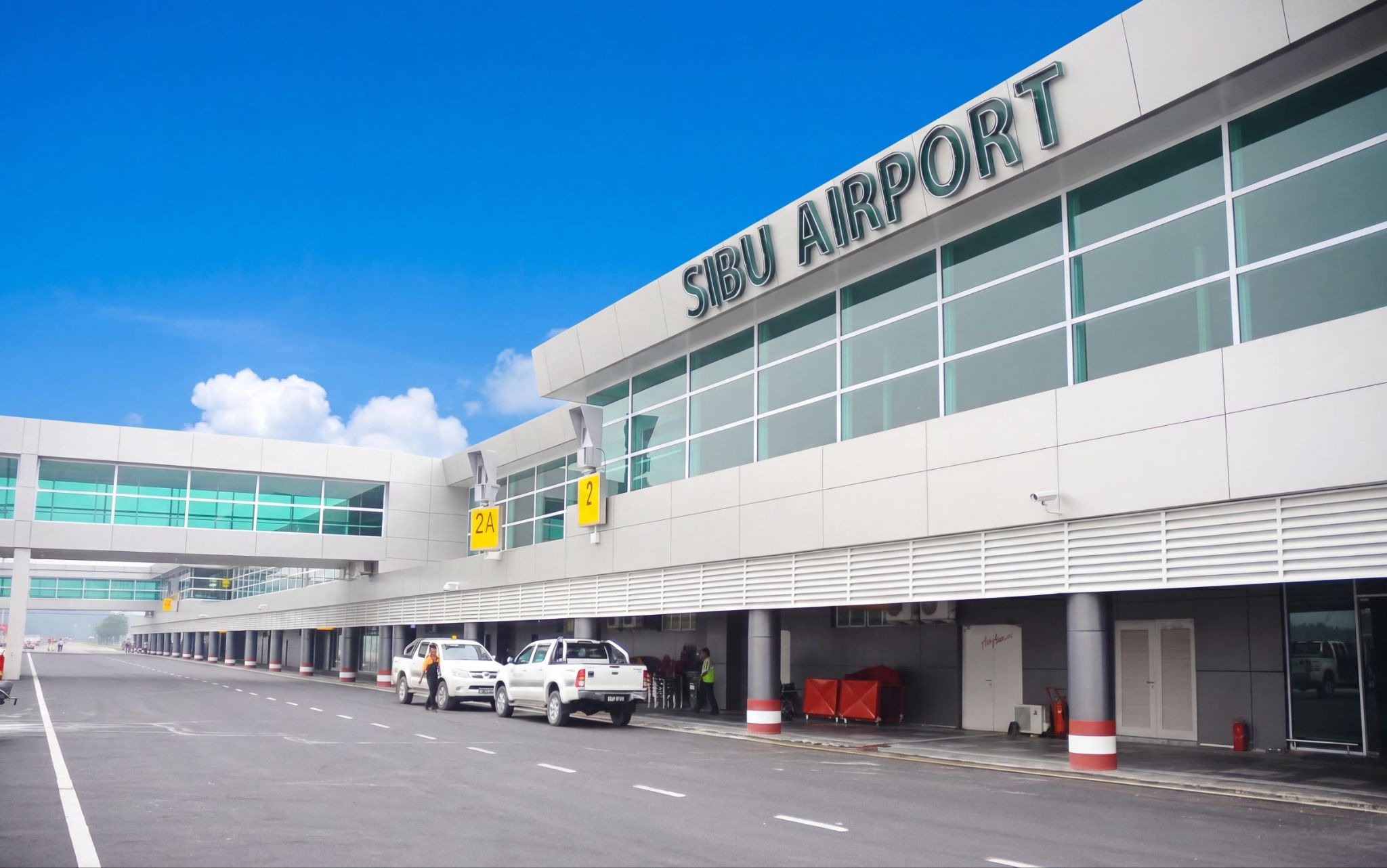
Kuching International Airport serves as the main gateway into Sarawak’s capital, connecting travellers to heritage streets, food culture, museums, riverside charm and the wider cultural life of the state. Meanwhile, Sibu Airport opens the way into central Sarawak, where riverine life, community spirit, and longhouse traditions offer a deeper view of the state’s cultural landscape.
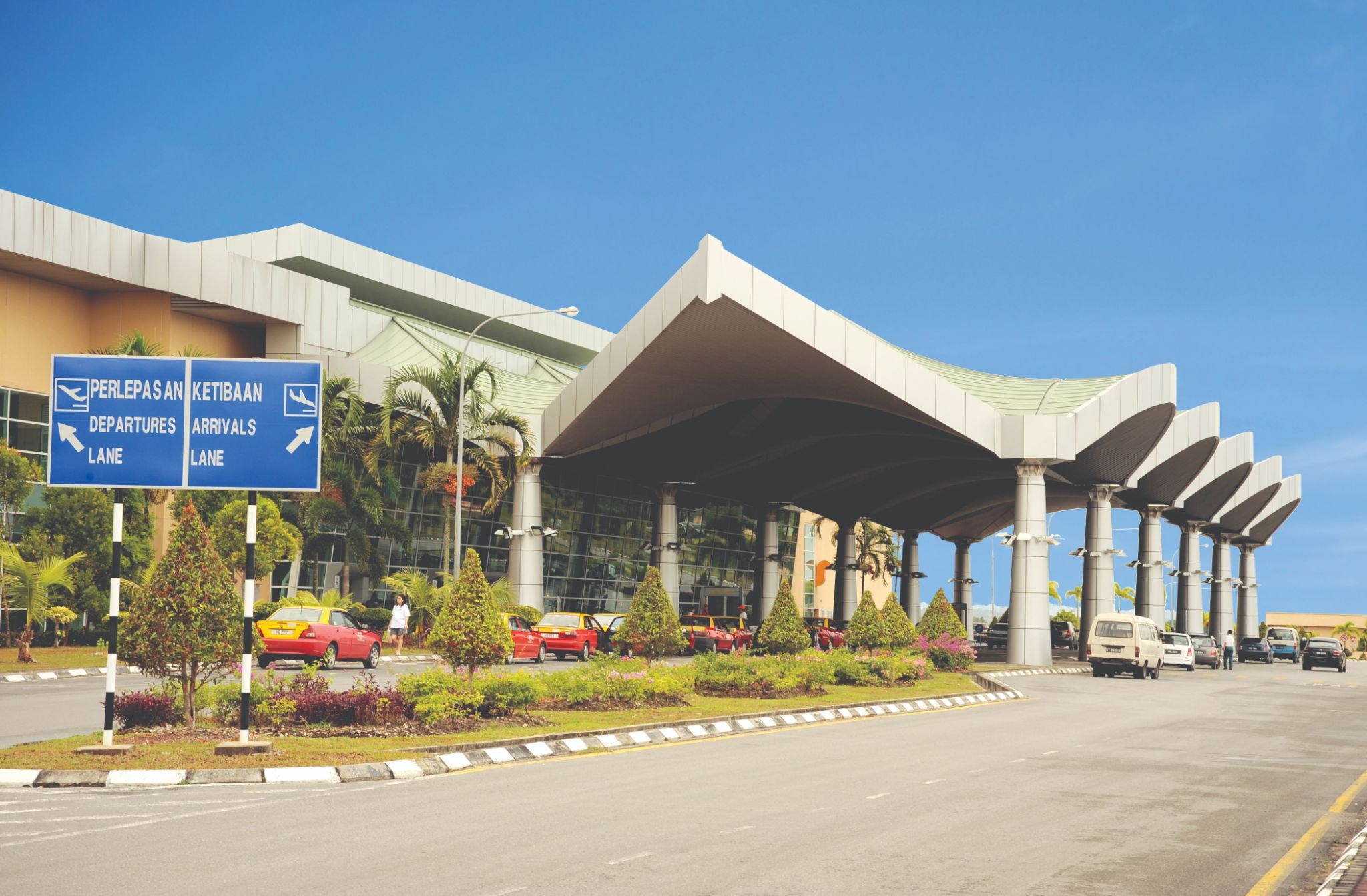
On the other side of the state, Miri Airport connects travellers to northern Sarawak, where city life, cultural encounters and access to nature come together as part of a broader journey of discovery. Last but not least, Bintulu Airport serves as a connector to the central region, offering access to local communities, landscapes, and experiences that may sit beyond the usual tourist route, but remain rich with stories of their own.
For many travellers, the journey does not end at these main airports. Some continue their way home on smaller aircraft bound for rural STOLports (Short take-off and landing ports), flying onward to places such as Bario, Bakelalan, Long Seridan, Marudi, and other interior communities. These short flights carry a special meaning during Gawai, linking families not only across cities and towns, but also across highlands, river settlements, and remote villages. For those returning home, each onward flight brings them one step closer to family, longhouse celebrations and the familiar rhythms of the festive season.
Together, these airports are more than points on a travel map. They are gateways into different sides of Sarawak. Each arrival carries a reason. Some travellers are coming home. Some are visiting loved ones. Some are beginning a new cultural experience. During Gawai, these journeys become part of a larger story shaped by memory, reunion and belonging.
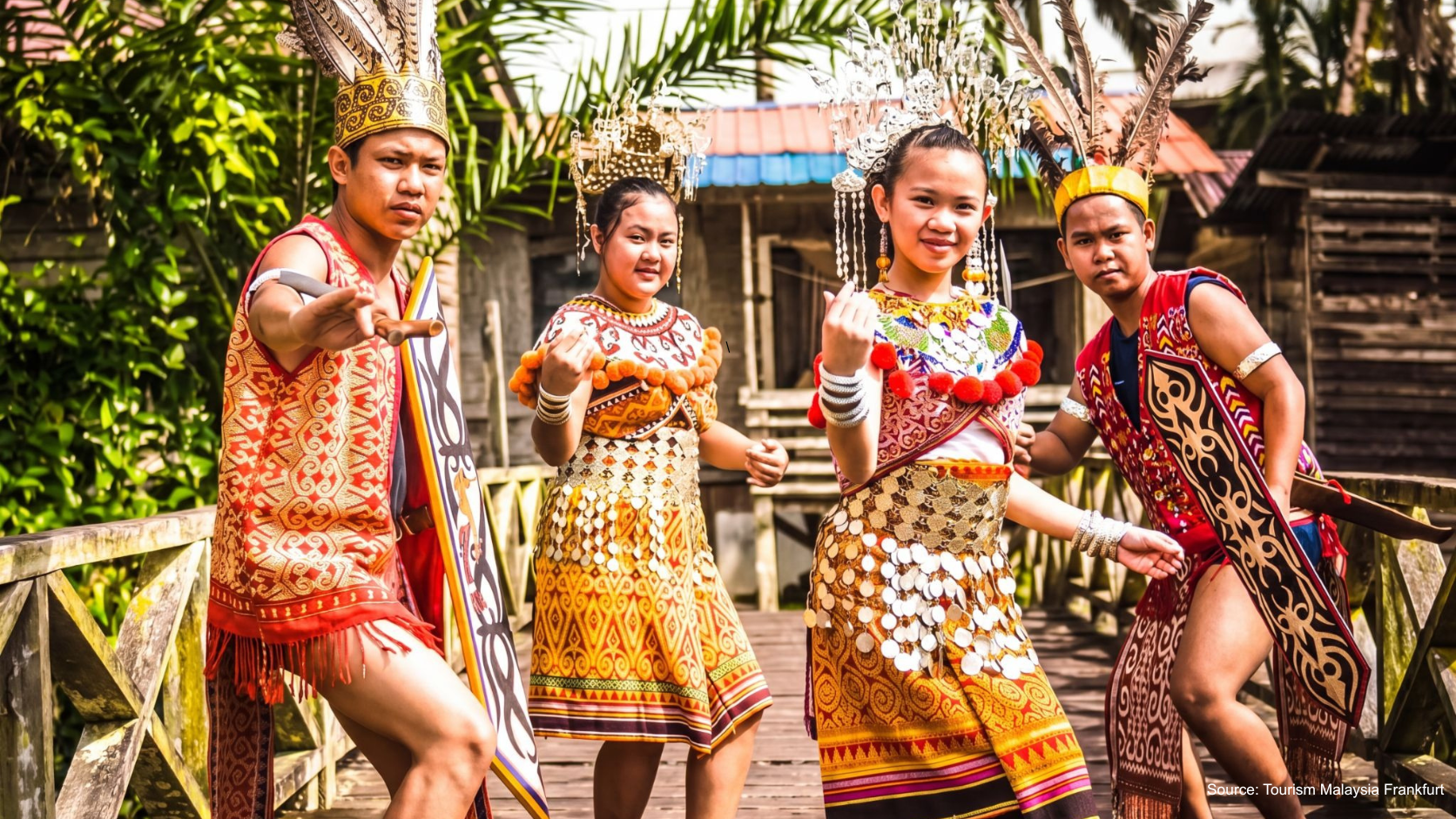
As Visit Malaysia 2026 continues to spotlight Malaysia’s diverse destinations and cultures, Gawai offers an important reminder of why cultural travel matters. Travel is not only about visiting destinations. It is also about understanding people, listening to stories, tasting local flavours, appreciating traditions and recognising the meaning behind the places we visit.
In Sarawak, culture is not something that exists only in museums or performances. It is lived through communities, family gatherings, food, music, dance and hospitality. For domestic travellers, Gawai is also a reminder that some of Malaysia’s most meaningful travel experiences can be found within the country itself. A journey to Sarawak during this season is not only about sightseeing. It is about being welcomed into a living culture and seeing how tradition continues to shape everyday life.
In the days after Hari Gawai, Sarawak slowly settled back into a quieter rhythm. The longhouse gatherings become memories, families begin travelling back to different cities, and airports once again fill with passengers returning to work, study and daily routines after the festive season.
But after the celebration ends, something remains.
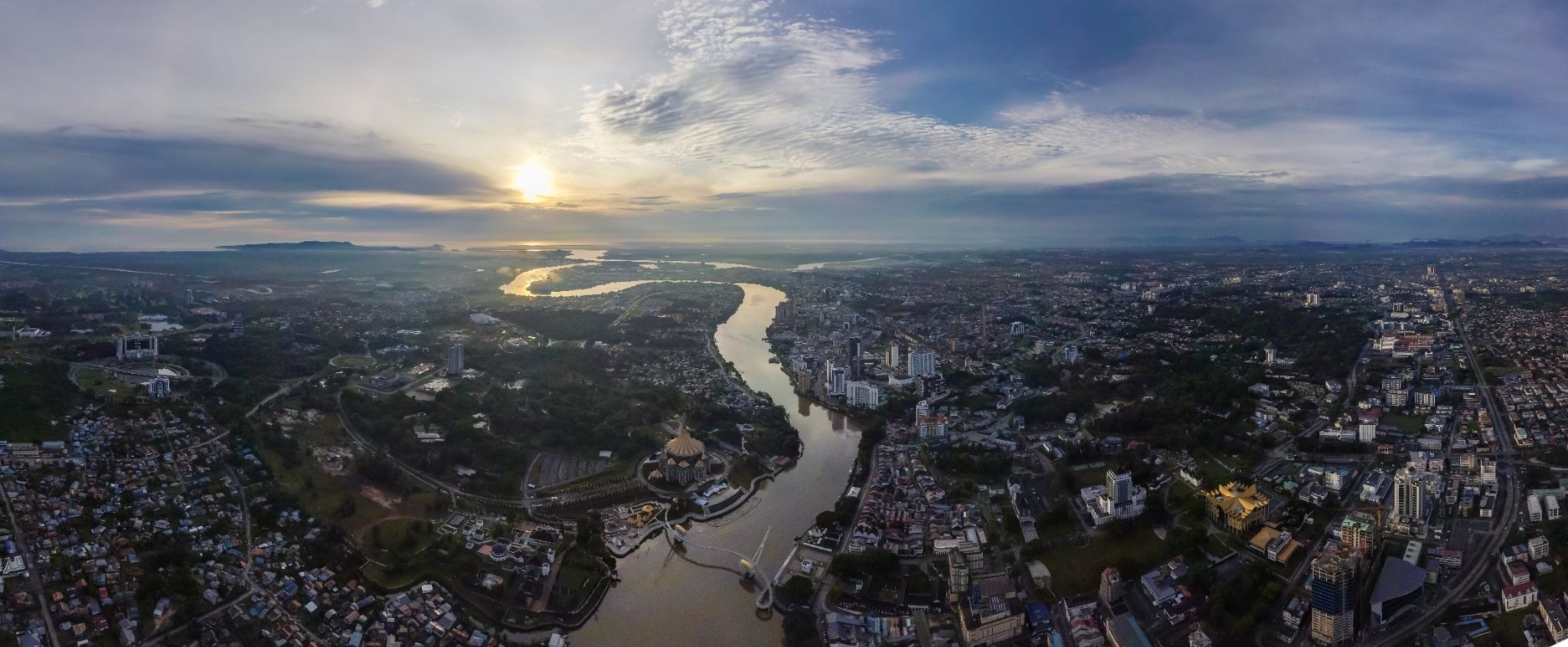
Gawai leaves behind a reminder of what continues to make Sarawak distinctive: its strong sense of community, its deep cultural identity, and the way tradition remains part of everyday life. For many travellers, Sarawak leaves a lasting impression through the sincerity of its communities and the sense of continuity that remains long after the celebration ends.
That is what makes journeys to Sarawak feel different. For some, Gawai is a return to familiar places. For others, it is the beginning of a new understanding of Sarawak. But for everyone who experiences it, the celebration offers a reminder that culture is most meaningful when it is shared, felt and carried forward.
Hari Gawai may be celebrated in longhouses, family homes and communities across Sarawak, but for many travellers, the experience begins much earlier. It begins with the sound of luggage wheels across the airport floor, with families waiting at the arrival hall, with the first embrace after months apart, and with the quiet feeling that a long-awaited celebration is finally within reach.
Because in Sarawak, the journey to Gawai is never only about reaching a destination. It is about coming home, being welcomed in, and experiencing the heart of Sarawak from the moment the journey begins.


Are you sure you want to delete this comment?
This action cannot be undone.