


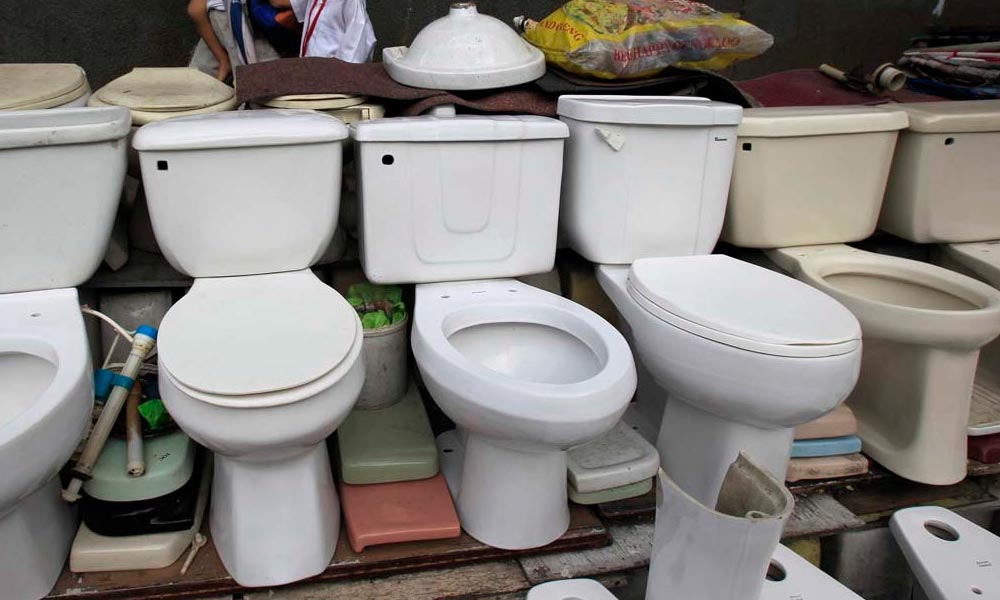

World Toilet Day a reminder to clean up after ourselves
Nov 19 has been designated by the UN as World Toilet Day to bring attention to tackle global sanitation crisis particularly among the poor and low income societies. The sustainable development goals or SDGs launched in 2015, include a target to ensure everyone everywhere has access to toilets by 2030.
While most of us in Malaysia have ready access to a toilet or sanitation facility, we tend to take this facility for granted.
People in many parts in east Malaysia still do not have access to toilets or proper toilets. Many still use pit latrine or buckets. Surprised?
In more urban areas, in Malaysia, access to toilets is never an issue. The issue is always functional and well-maintained toilets.
Schools students in Japan are required to take turns to clean school toilets and proper use of public toilets is inculcated from a very young age. Most Japanese clean after themselves after using a public or common sanitation facility.
Many Malaysians (parents) however view cleaning toilets as a demeaning work and would not want their children cleaning school toilets. I studied in a former missionary school in the late 1970s and ‘gotong royong’ among students in school includes cleaning the school toilet. Nowadays it is almost never heard off. Even the word ‘gotong royong’.
The development of the sanitation infrastructure in Malaysia has had many challenges. It is among the most capital intensive infrastructure. By the time water and sanitation sector restructuring efforts started in mid 2000s, the sanitation service provider was operating at a loss and owing the government billions of ringgit.
The sector was going back and forth with privatisation. Effort to charge for sanitation services in the 1990s was opposed with a million signature drive by consumer organisations.
So is the sanitation sector any better now - since the restructuring took place in 2006?
Hundreds of millions have been spent to establish connected sewerage system in Malaysia and new billing system will be introduced soon. This is necessary as more than 50 percent of the pollution of rivers is due to untreated sewerage. This untreated sewerage often comes from poorly maintained septic tank facilities in homes or commercial and government premises.
Need to desludge septic tanks regularly
Desludging campaigns carried out on a piecemeal basis did not create wide spread action among premise owners to desludge their septic tanks regularly (three to five years once). Many home owners are almost never aware of their leaking or overflowing septic tanks until a foul stench permeates in their homes.
Thus, establishing connected services infrastructure is very important. Homeowners and other establishments need not worry about desludging and only remember to pay their sanitation utility bills.
However, real estate developers, sanitation service providers and water and sanitation regulatory agencies must ensure full accountability in planning, construction and maintenance of sanitation services.
Disregard for these principles has led to problems in several housing projects, in Klang and Sepang, for example. Residents in these areas are living with over flowing toilets and foul stench for many years - some for up to a decade due to flaw in the design and operation of the sanitation infrastructure. In some areas local governments have dismantled communal septic tanks to make way for other buildings further contributing to raw water pollution.
For common toilet facilities design and construction, there is already rating schemes based on Malaysian Standards or MS for public toilet developed by the Department of Standards Malaysia. However, MS on minimum criteria and rating scheme does not place emphasis on the type of sewerage system and the need for desludging.
Such situations erode confidence on service providers and regulatory agencies among rate payers. The general public are held ransom by a single service provider when service quality is deplorable. In an un-competitive market (single player) the role of regulators to protect end users - primarily consumers becomes crucial for consumer protection.
It is difficult to claim ourselves a developed nation if we cannot handle even the most basic form of services such as water and sanitation. The World Bank has reported that low and middle income countries tend to have higher levels of financial leakages in the water and sanitation utility sectors - the Sabah Water Department’s mismanagement of fund is one of the examples how this can happen.
It goes on to show that everyone has a part to play in raising the standards of sanitation services: regulators, real estate, service providers, you and I. Let’s begin with you and I - clean up after ourselves and treat toilets as one of the most important facility in our daily lives - not only on World Toilet Day but every day.
RATNA DEVI NADARAJAN is secretary-general, Forum Air Malaysia.


