


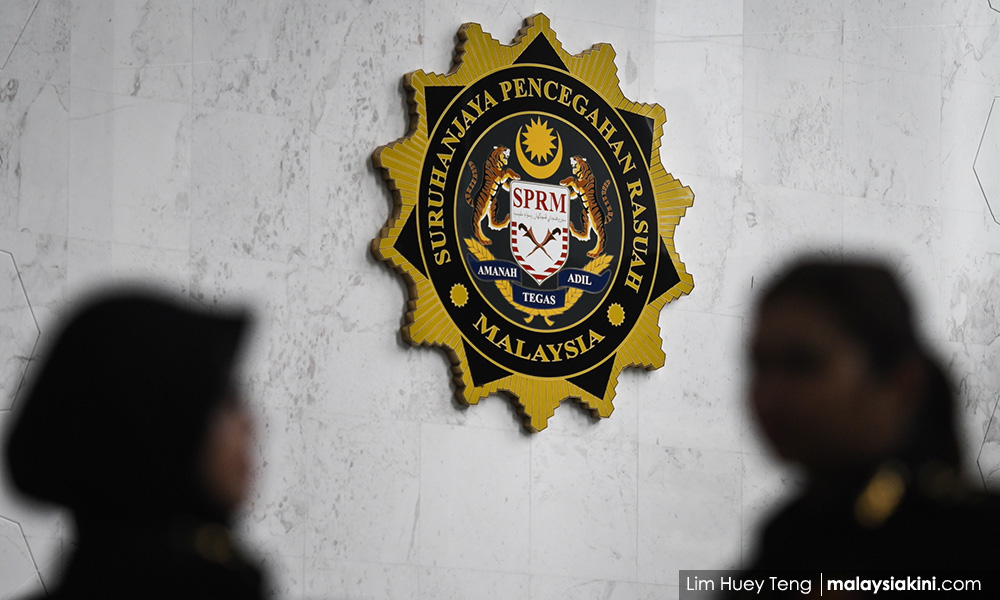

Giving MACC prosecution powers a step in the wrong direction
LETTER | There are calls to give the MACC powers to prosecute. This is a regressive step, more so given the ongoing efforts to reform and strengthen the criminal justice system.
We need to strive towards widening the separation of powers by introducing more checks and balances. To suggest incorporating prosecution powers in the MACC entails further enhancement to the fusion of powers between investigation and prosecution.
It is a definite step backwards, as an enforcement agency cannot be expected to be neutral in assessing evidence they themselves gathered.
Fusion of these powers is highly likely to be abused by those with vested interests, including internally, especially when arrests, detention and seizures go wrong. This will include complications when detainees lodge reports of crime against them by the investigators.
The integrity of individuals helming an organisation should never be the yardstick of trust, as individuals are not permanent and come and go with time. It is the system which is permanent, and has to be fortified by effective and transparent checks and balances.
Like all other enforcement agencies subservient to the Attorney-General's Chambers, the MACC are bound by the same requirements.
From experience, this is the mainstay of the problem in all controversial decisions of framing, reducing, altering or withdrawing charges. It is imperative that we amend the law to address this all-powerful prerogative of the attorney-general.
There is not much one can do when the attorney-general is given the sole prerogative by law to frame, reduce, alter/amend or withdraw charges at any stage of proceedings. It would be more prudent to dilute these powers by calling for legislative reform.
The other aspect is the consideration that the public prosecutor should be separated from the AGC. It is a positive move in the right direction, but requires a careful approach so as not to fall into the same abyss by creating an all-powerful public prosecutor.
Checks and balances must be inserted at all tiers of the decision-making process in prosecuting an individual, judiciously coupled with recourse for every enforcement agency to voice out grouses, if any.
This recourse must be made available before proceedings begin. I am sure our legal eagles can work out an intricate balance, so as to ensure no one entity can have it all.
A select parliamentary committee could also be part of the system as a final recourse for those enforcement agencies not on the same page with AGC pertaining to any decisions on investigations done.
The MACC, like most enforcement agencies, has in the past been made tools of their political masters in the vested interests of those that seek to suppress political dissent. All the more reason why there should not be fusion of such powers.
We have to learn from the past and take cognisance of the dangers of allowing too much power in the hands of one or a few, neither in the criminal justice system nor in our system of parliamentary democracy as a whole.
The views expressed here are those of the author/contributor and do not necessarily represent the views of Malaysiakini.


