

LETTER | A recent commentary says Malaysia doesn’t need the Urban Renewal Act (URA) because the government can fund big projects.
That misses the point. Money can rebuild a block. It cannot untie the red tape that slows renewal across hundreds of multi-owner flats. The URA sets a clear, predictable process. The owners decide together. Rights are written down. Everyone must deal transparently.
This is not centralisation. It is a set of rules that protects owners. A high, uniform supermajority is needed before a project can proceed. That means broad consent. It is a deliberate shift away from forced purchase. Consent is a legal gate, not a slogan.
The bill also protects people who live there. It guarantees no less favourable benefits, clear information, a right to object, and a right to stay.
Renewal is owner-led and used only when a building is beyond economical repair. State governments still decide where renewal areas are. What the URA adds is balance and accountability, including an Urban Renewal Mediation Committee to help settle disputes between owners, developers and authorities.
The accusation that URA empowers cronies mixes up standardisation with unchecked discretion. The Act sets the same consent thresholds everywhere. It requires disclosure and fair procurement. Offers and valuations must be documented. Progress must be reported, and non-performance can be sanctioned.
These are bright-line rules, not back-room deals.
Improving Land Acquisition Act
The URA also improves on the Land Acquisition Act 1960. The existing law pays based on the current market value. The URA guarantees compensation based on future value, plus the right to remain and keep ownership.
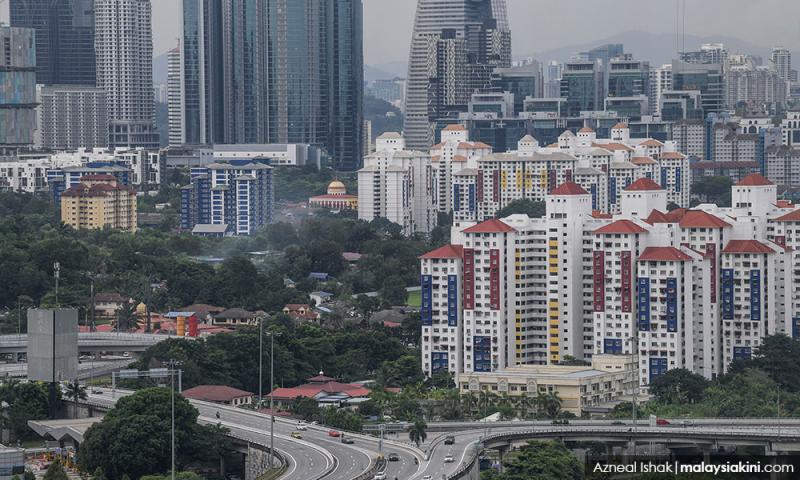
This bill is not a stand-in for local polls. It deals with the day-to-day reality of 30- to 50-year-old walk-ups: broken lifts, leaks, cracks and outdated fire systems.
Framing it as “council election or URA” is a false choice; cities need both democratic accountability and a working legal path to make unsafe homes safe.
Moving onto the renewal proposals in opposition-led states, this reflects the need, not capture, because decay does not care about party logos. A national framework lets owners start a transparent process with the same consent, disclosure and tender rules everywhere, whoever is in power.
Moreover, comparing the URA with one-off flagship projects is a red herring. You can rebuild a precinct once, but you cannot renew a nation’s strata stock one photo-op at a time.
Rather than an exception, the URA makes renewal the norm, and limits government by clear rules so outcomes are owner-centred and durable.
Where repairs are sufficient, repair. But when a building is beyond repair, owners deserve a lawful, fair and time-certain path to something better.
Debate and improve the clauses if need be, but without the URA, residents face ill-suited tools and opacity.
With it, consent, fairness and transparency become legal obligations.
The views expressed here are those of the author/contributor and do not necessarily represent the views of Malaysiakini.
