


/file/publisher-c1a3f893382d2b2f8a9aa22a654d9c97/2025/07/82df02af487e187038ae3eb2badc84b7.jpg)

LETTER | MIC ready to make tough decisions amid turbulent times
LETTER | On Nov 16, MIC will hold the national delegates convention to decide its critical political future.
This is in relation to MIC plan whether to maintain its historic but challenged alliance with BN, or to execute a potentially dramatic realignment with a new political bloc-Perikatan Nasional, Pakatan Harapan, or to pursue an independent path.
The very necessity of this delegates convention is a brutal testament to the modern reality of Malaysian politics. There are no permanent friends, enemies - only permanent interests.
Malaysia’s political climate has been fundamentally rewritten. Just three years ago, sworn enemies, BN and Harapan forged a "marriage of convenience" after the 15th general election - something that was unthinkable earlier.
This dramatic reversal serves as a stark warning to MIC - yesterday's feuds are merely today's necessary alliances for survival.
As of now, MIC operates a robust and strong grassroots network that far surpasses its rivals such as Malaysian Indian People's Party (MIPP), Indian Progressive Front (IPF), Makkal Sakthi Party and others.
Robust, engaged
This is because MIC has been serving the community since 1946 and is undeterred by other smaller Indian parties.
While these competitors grapple with basic capacity issues and membership drives, MIC boasts active and engaged representatives in virtually every corner of the nation from low-cost flats, estates and affluent residential areas.
This organisational footprint, powered by a united leadership of MIC president SA Vigneswaran and his deputy, M Saravanan, is the party's core political currency and makes them a highly coveted partner for any major coalition.
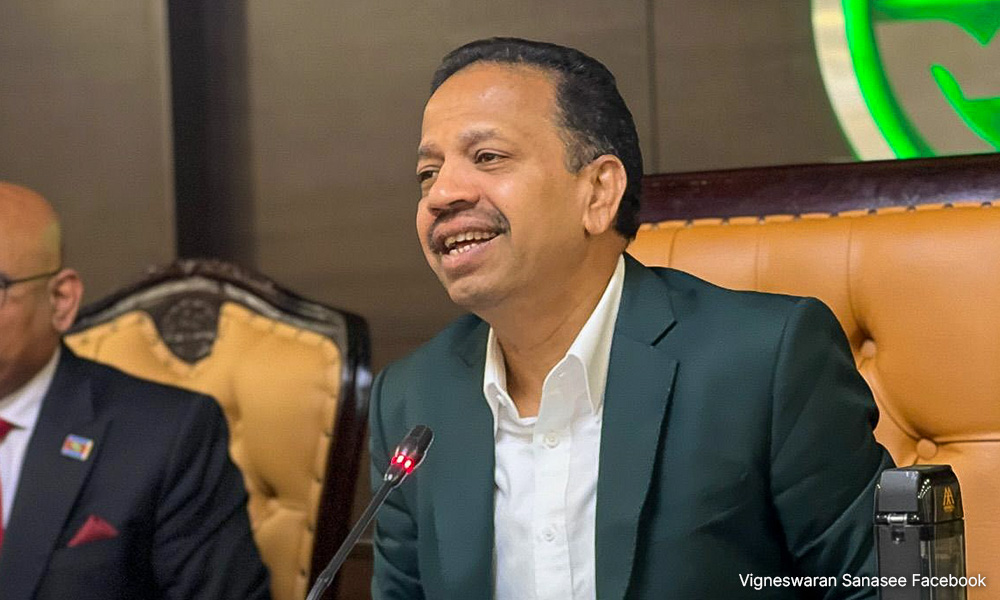
Overall, MIC's greatest challenge is to pull the community's B40 households into the middle class.
This is being executed through aggressive educational and economic empowerment programmes, designed to help families cope with the high cost of living and secure a permanent place in the country’s mainstream development.
Leading the charge is Maju Institute of Educational Development (Mied), the party's education arm, which is a success story - channelling millions of ringgit in scholarships and loans to thousands of students, providing a crucial window of opportunity.
The opinion of some that MIC faces a "bleak future" if it leaves BN is fundamentally flawed and short-sighted.
Strategic flexibility
Anyone who says MIC would “crash and burn” if they leave BN is wrong. This argument completely ignores the party’s deep roots and fighting spirit.
To suggest the party would "struggle to compete" against multiracial giants is to grossly underestimate MIC’s organisational resilience and its 79 years of history.
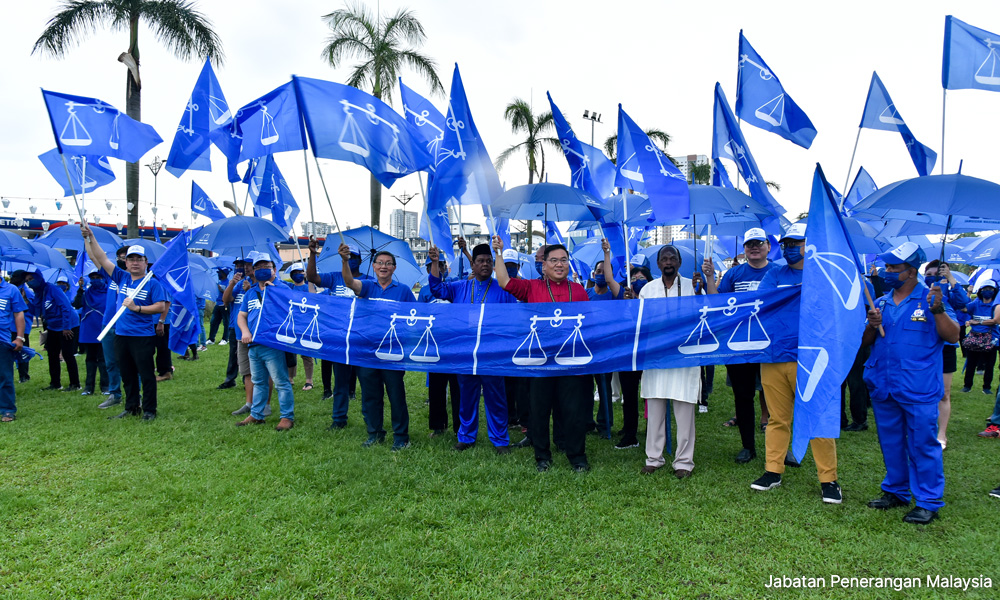
MIC is not destined to fail. An independent or realigned MIC gains the strategic flexibility to define its own competitive space and fight fiercely for its community's interests in Malaysia's volatile political arena.
The party is ready to compete and will force its own place in Malaysia’s changing political battlefield. MIC’s future is not bleak. It is wide open for a new fight.
However, the question is not whether MIC will survive the political storm, but which bloc it will choose to anchor its formidable organisation for its next defining chapter.
The views expressed here are those of the author/contributor and do not necessarily represent the views of Malaysiakini.
/file/publisher-c1a3f893382d2b2f8a9aa22a654d9c97/2025/10/011af82574d6035d00254021ed67f570.jpg)
/file/publisher-c1a3f893382d2b2f8a9aa22a654d9c97/2025/07/a2fe5b24cba2038cc9f0772bad95d700.jpg)
/file/publisher-c1a3f893382d2b2f8a9aa22a654d9c97/2024/12/707351b7bc217a0c1767e63624215cb5.jpg)
/file/publisher-c1a3f893382d2b2f8a9aa22a654d9c97/2024/10/eab3a187b5a4878aa2afc061e9cbc650.jpg)


