


/file/publisher-c1a3f893382d2b2f8a9aa22a654d9c97/2024/09/dac5beed997fcb380431d1f6882c4ad1.jpg)

LETTER | A debt of honour: Equal pension for equal service
LETTER | I write as a retired officer who served alongside men and women that most Malaysians will never know by name.
They patrolled in monsoon rain, guarded lonely borders, and stood ready so others could sleep.
Many retired before 2013. Their pensions are lower not because they served less, but because a policy line was drawn on a calendar.
That line now divides veterans of the same rank and similar or longer service into unequal cohorts. It also divides the nation’s promise from its practice.
Pensions are tied to final salary, and in 2013, the government improved the public service salary schedule.
Those already retired remained on the older baselines. The consequence is permanent. A warrant officer who retired in 2012 and another who retired in 2014 wore the same crown on their sleeve. One now receives less every month for life. That is not parity. That is an unintentional penalty for timing.
The pre-2013 generation
There is a further truth that many in uniform know. The pre-2013 generation carried a heavier operational load for long stretches.
We served through the tail end of the communist insurgency years. We kept steady watch across the eastern seaboard.
We faced real tests in Sabah that culminated in Lahad Datu in 2013, after which Eastern Sabah Security Zone (Esszone) and Eastern Sabah Security Command (Esscom) were established to harden security in the east.
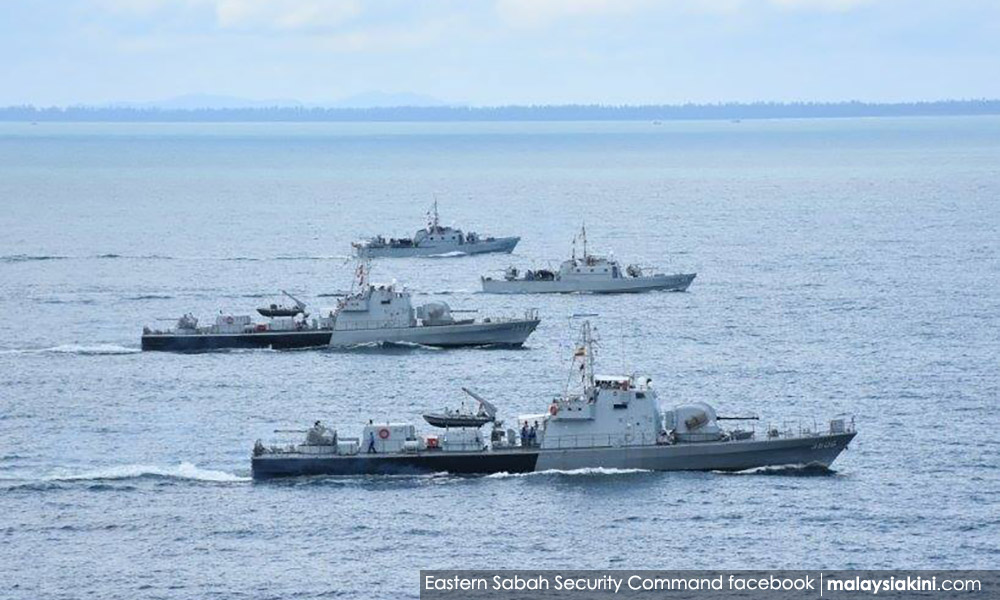
None of this diminishes the service of those who came after. It simply recognises the reality that the pension gap often falls on those who saw more combat and longer deployments.
Successive governments have taken steps to cushion the disparity. Special assistance helped. An adjustment announced for pre-2013 retirees was welcome. These measures were appreciated. They did not fix the structure.
The structure is the baseline. Until pre-2013, retirees are aligned to an equivalent final-salary step used for post-2013 retirees, two veterans of the same rank will not receive the same pension.
This is not a request for charity. This is a call for equal pension for equal service. It is also a statement about national integrity.
When a recruit signs up, they trust that the country will honour its side of the bargain. When the country updates remuneration, it should not leave yesterday’s sentries behind.
Practical solutions
A practical solution exists. First, harmonise retrospectively. Map every pre-2013 rank and step to the equivalent post-2013 step used in calculating pensions. Publish the table so every veteran can see how the numbers are derived.
Second, pay arrears in stages. A 24-to-36-month schedule respects fiscal realities while restoring dignity.
Third, stand up a short-fused taskforce. Include the Public Service Department (PSD), Finance Ministry, Defence Ministry, Retirement Fund Incorporated (Kwap), Veteran Affairs Department, and elected veteran representatives.
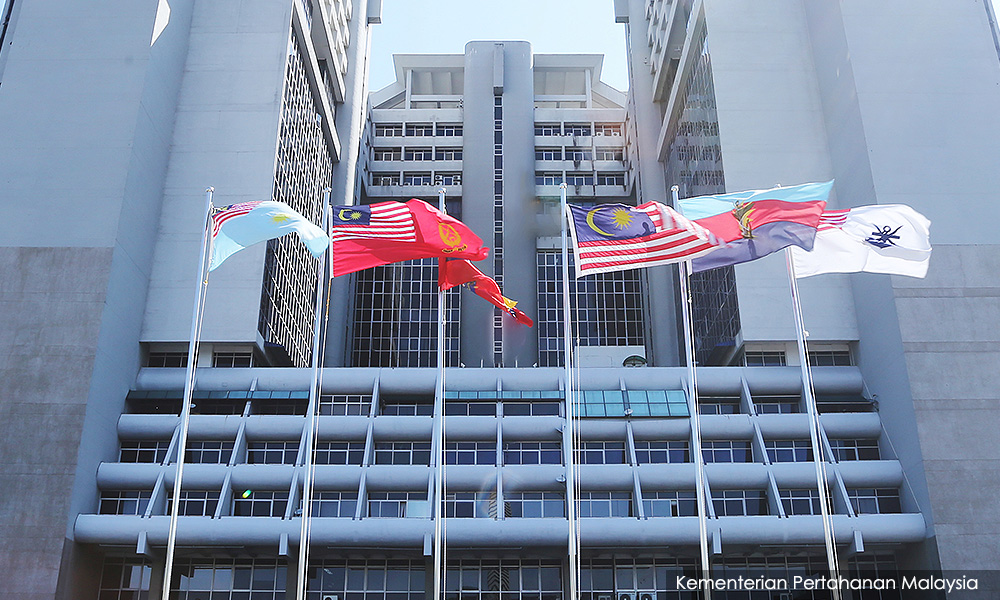
Give it 60 days to draft the circular. Implement in the next payment cycle. Transparency and a timetable will build trust faster than slogans ever could.
Some will ask about affordability. The honest answer is that the cost of fairness is real. So is the cost of delay.
When veterans spend years contesting the rules that define their dignity, the nation pays in cynicism and recruitment risk.
Executives, Parliament must act
Young Malaysians watch how we treat the old guard. If they see that equal service earns equal pension, they will believe the promises we make to them in recruiting halls.
Others will say the courts are the right venue. I respect the judiciary. I also know that pension formulas and cohort baselines are better corrected by policy. Parliament and the executive have the tools to move quickly and with nuance. Use them.
Malaysia has many priorities. Security remains one of them. The armed forces will continue to do their duty in quiet places without complaint. The least we can do is ensure that a cut-off date does not decide a veteran’s worth.
Fix the baseline. Publish the mapping. Stage the arrears. Close the book on this debt of honour.
Author is a retired armed forces officer.
The views expressed here are those of the author/contributor and do not necessarily represent the views of Malaysiakini.
/file/publisher-c1a3f893382d2b2f8a9aa22a654d9c97/2025/10/3e0dfdd65ec6a96602e109aa5d8654ed.png)
/file/1235/1decddb67f197e087c2e7f7b56d6453e.jpeg)
/file/publisher-c1a3f893382d2b2f8a9aa22a654d9c97/2022/03/13d0e3f13a57f358529ff4dfeb800108.jpg)
/file/publisher-c1a3f893382d2b2f8a9aa22a654d9c97/2024/12/e72a5558484ec1e37f165e065c3270b0.jpg)


