


/file/publisher-c1a3f893382d2b2f8a9aa22a654d9c97/2025/12/2af1d585092bd0ef3b15e87cbbfce7c8.jpg)

LETTER | Woodball's long game: From garden pastime to SEA Games
LETTER | When Malaysia’s contingent of 24 woodball athletes steps onto the fields of Bangkok this month for the 33rd SEA Games, it won’t just be another competition - it’ll be the culmination of a quiet, decades-long journey.
For the first time, woodball has been officially included as a medal sport at a major regional event, marking a proud milestone for Malaysia and the sport’s passionate community.
To many Malaysians, woodball may still be a mystery - part-golf, part-gateball, played on park lawns with wooden mallets, gates, and a calm precision more reminiscent of mindfulness than muscle.
But behind this elegant simplicity lies a story of persistence, grassroots commitment, and unshakeable belief in a game that started as a family pastime.
From backyard to global stage
Woodball’s origins trace back to the 1990s in Taipei, where Weng Ming-Hui, an engineer, decided to redesign a garden for his elderly father. He built handcrafted wooden gates and mallets as part of the landscape, decorative rather than functional.
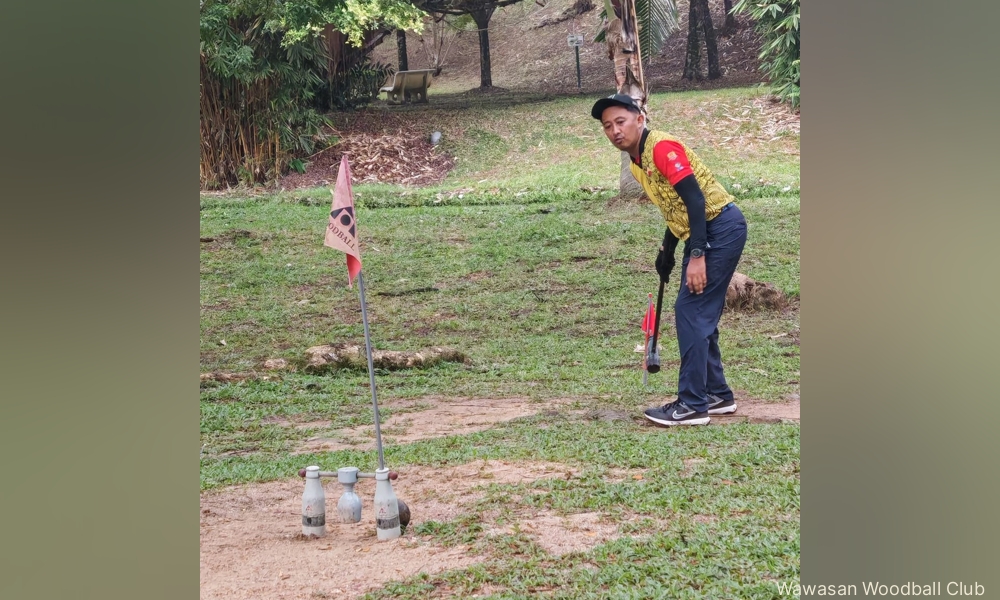
When his family began striking a wooden ball through these gates for fun, a new form of recreation was born, almost by accident.
By 1994, woodball had evolved into an organised sport in Taiwan and quickly spread through Asia’s parks, universities, and leisure clubs.
What began as an act of filial affection matured into a sport that blends serenity with skill - one that rewards patience, rhythm, and focus as much as athletic ability.
Taking root in Malaysia
Malaysia’s woodball story begins with one man’s quiet conviction. In the early 2000s, Thomas Kok encountered the sport while visiting Taiwan and was immediately drawn to its accessibility - minimal equipment, simple rules, and great potential for community play.
Back home, he set up Malaysia’s first woodball sessions at Overseas Union Garden (OUG) in Kuala Lumpur. Using portable gates and handcrafted mallets, Kok invited friends and neighbours to try it out.
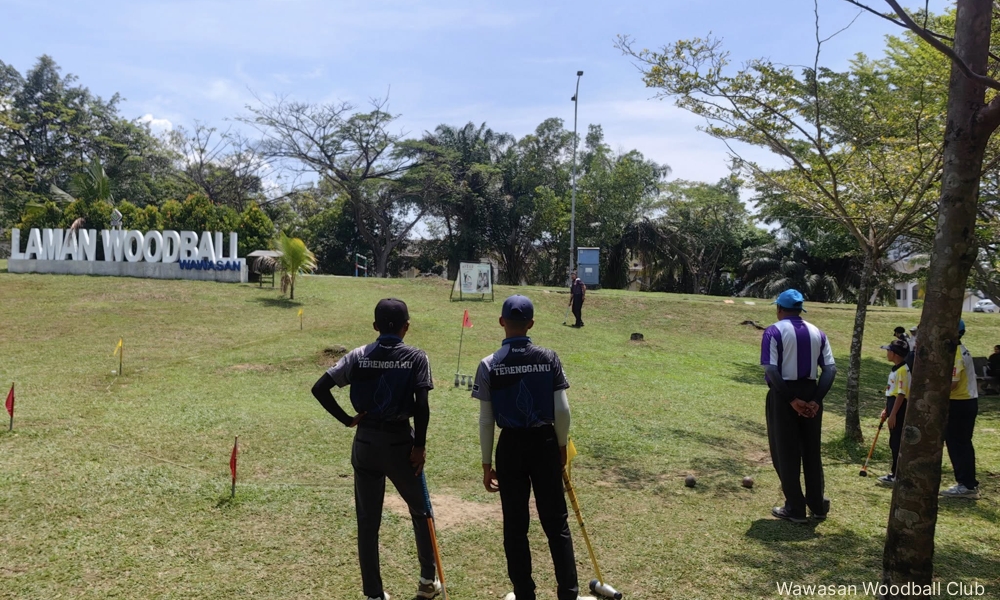
Before long, weekend gatherings turned into informal competitions, and word began to spread.
From these modest beginnings, woodball clubs began sprouting in different states, driven by volunteers who shared Kok’s belief that the sport’s calm discipline could appeal to Malaysians of all ages.
Building a movement
It took years of patient groundwork to formalise this grassroots enthusiasm. The formation of the Malaysia Woodball Association (MWA), led today by president Elaine Tan, gave the sport a national structure - complete with coaching frameworks, competitions, and links to the International Woodball Federation.
Under MWA’s guidance, Malaysian players started competing internationally, bringing home medals and recognition that gradually strengthened the case for woodball’s inclusion in multi-sport events like the SEA Games.
The support of the Sports Ministry added vital legitimacy, reflecting Malaysia’s broader push to nurture niche and emerging sports alongside mainstream disciplines.
Revisiting the origins
This year, members of Malaysia’s Wawasan Woodball Club (WWC) travelled to Taipei for an international tournament - and in many ways, the visit symbolised a return to woodball’s roots.
Led by local enthusiasts and joined by families, the Malaysian team visited the exact garden where Weng first improvised his wooden gates decades ago.
They were warmly received by his son, Sean, and mother, now in her 80s, who shared stories of those early family games that blossomed into a global sport.
“It was a moving experience,” one player reflected. “Standing there reminded us that from one person’s imagination, an entire sport was born. It shows how far passion can take something if people believe in it.”
SEA Games breakthrough
When the SEA Games committee officially confirmed woodball’s inclusion as a medal sport for 2025, it marked not just a personal victory for Malaysia’s woodball community but an institutional one.
Years of proposals, demonstration events, and advocacy had finally borne fruit.
Malaysia’s 24-member squad will compete across six medal events in Bangkok, encompassing both men’s and women’s categories.
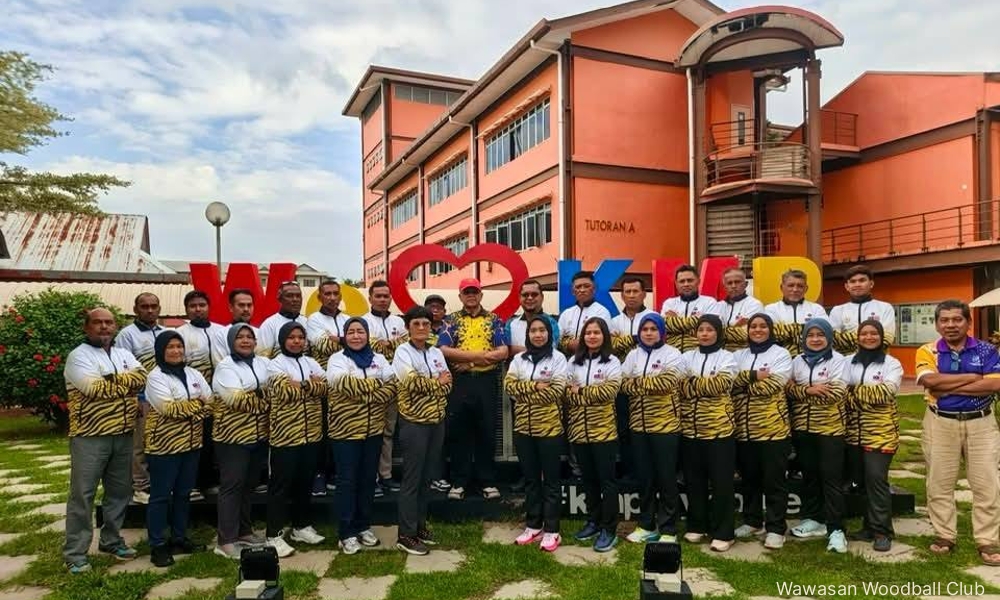
Among the names representing the country are WWC’s own Loo Lee Lee and Zalilah, who have spent months perfecting their strokes and course strategies.
“We’re training hard and aiming high,” said Loo. “We want to bring home medals - but more importantly, we want Malaysians to notice this sport and give it the attention it deserves.”
Their inclusion on the national team underscores what the sport has come to represent: teamwork, perseverance, and community spirit. Many of the current players started on local fields, balancing training with full-time jobs and volunteer commitments - embodying the resilience that defines Malaysian sport.
More than a game
At its heart, woodball is about focus and calm - values that suit both the pace and spirit of our times. It encourages mental clarity, deliberate movement, and companionship across ages.
That universality explains why schools, universities, and community groups have begun adopting it as a recreational and character-building activity.
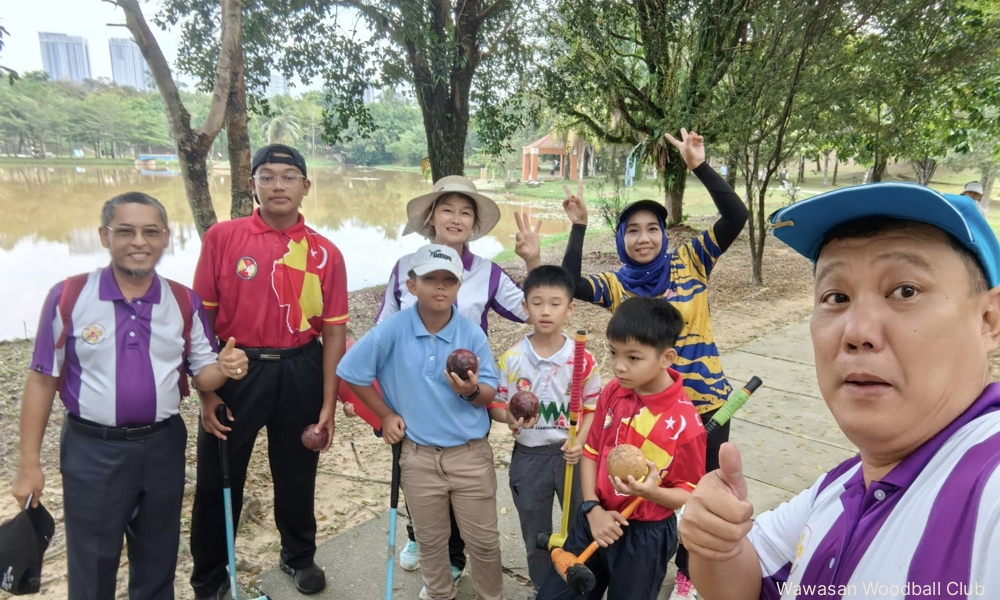
As woodball steps into the SEA Games spotlight, it does so as a symbol of what can be achieved when passion meets persistence.
It reminds us that even a quiet sport, played with humility and heart, can make a powerful mark when nurtured by those who believe in it.
Malaysia Boleh - and yes, now, Woodball Boleh too… salute the makers and shapers of this beautiful game!
CHANDRAN RAMAN KUTTY is a regular player at Taman Wawasan Puchong, has participated in national and international tournaments, is a qualified referee, and is also a council member of the Wawasan Woodball Club (WWC).
The views expressed here are those of the author/contributor and do not necessarily represent the views of Malaysiakini.
/file/publisher-c1a3f893382d2b2f8a9aa22a654d9c97/2025/12/2f3a11feb5e1ee95ef109f1546e7b9eb.jpg)
/file/publisher-c1a3f893382d2b2f8a9aa22a654d9c97/2025/11/2d6944cd7ac9c47dbc8c8ef4e61baa9d.jpg)
/file/publisher-c1a3f893382d2b2f8a9aa22a654d9c97/2025/11/0b83dae94cad0e24cd9bd5ce98e9da2d.jpg)
/file/publisher-c1a3f893382d2b2f8a9aa22a654d9c97/2025/10/61958fcbb68f7244e984c2038698cc25.jpg)


Report this comment
Are you sure you want to delete this comment?
This action cannot be undone.