


/file/publisher-c1a3f893382d2b2f8a9aa22a654d9c97/2026/01/5bfea6adc2600a46943a2b24f74b2f18.jpg)

LETTER | PM's remarks on cartel practices are weak
LETTER | Prime Minister Anwar Ibrahim has reminded all parties not to continue the cartel practices that burden the people through excessive price hikes across various sectors, including defence, healthcare, and construction.
Anwar, who is also the finance minister, said the existence of cartels not only puts pressure on the public but also causes wastage of government funds, hindering efforts to improve public facilities and essential services.
"Do not rely on cartels that oppress the people by raising prices excessively in sectors such as defence, healthcare, and construction," he added.
After reading the prime minister's statement, I scrolled through my email and found a notice from the insurance company about an increase in my premiums that would take place gradually to 43 percent by 2027.
The increase was in line with the Bank Negara Malaysia’s directive to increase premiums gradually.
It left me wondering whether Anwar’s speech on cartels is just rhetoric or about coming up with concrete policies to tackle the menace.
Soaring medical inflation
Malaysia's medical inflation is among the highest in the region, with costs rising by roughly 15 percent in 2024, significantly surpassing the global and Asia Pacific average of 10 percent.
The question is, why are we higher in comparison? Is it just about the cartel practices, or is it also the promotion and demand for medical tourism that inflates the cost of healthcare?
Medical tourism requires the purchase of sophisticated high-tech medical equipment to remain regionally competitive, where ultimately, private hospitals pass the cost down to their patients.

So, admonishing cartels alone will not bring the real change needed to address the root cause of price increases, especially in healthcare.
Fighting cartel practices in healthcare requires a multi-faceted policy approach that combines strict anti-trust enforcement with increased transparency and regulatory oversight, particularly regarding mergers and purchasing.
Emulate Singapore
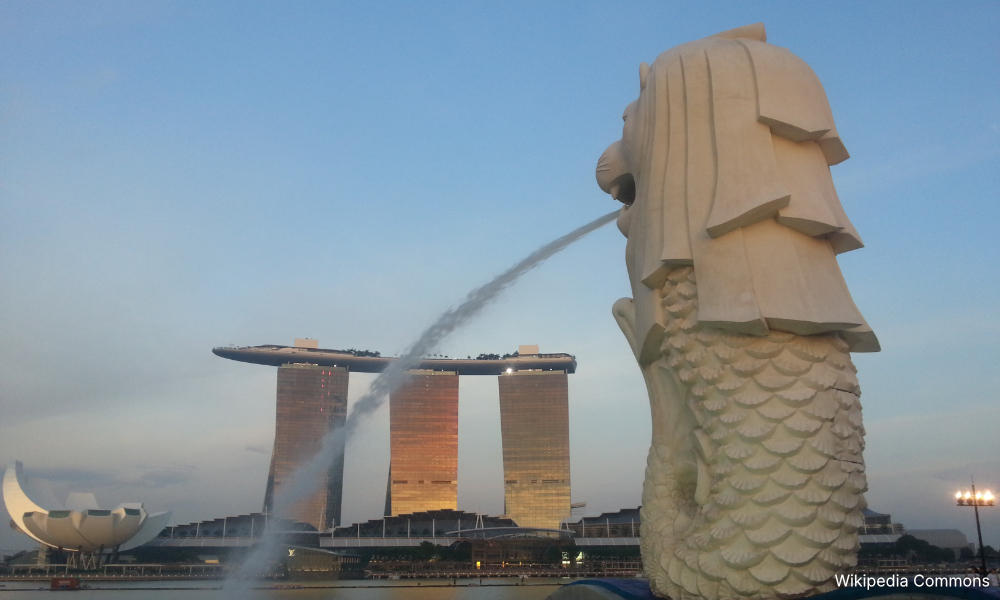
The government should emulate Singapore, which employs a multi-faceted approach to fight potential cartel practices, collusion, and price-fixing in the private healthcare sector.
The regulatory framework blends strict enforcement of competition law, proactive fee benchmarking, and mandatory financial transparency to ensure healthcare costs remain sustainable.
For example, the Competition and Consumer Commission of Singapore (CCCS) enforces the Competition Act, which prohibits anti-competitive behaviors, including price-fixing and the prohibition of agreements between competitors (doctors or private hospitals) to set or maintain prices for services.
The CCCS can investigate and impose financial penalties of up to 10 percent of the turnover of the business for each year of infringement.
Despite such an example, we have not seen Putrajaya taking serious action against industry players involved in cartel practices.
As such, the prime minister’s reminders to cartels should translate into policy and law to curb unethical practices that lead to medical inflation.
There is also a need for a comprehensive debate in Parliament on medical tourism, which could be a contributing factor to medical inflation in the country.
The views expressed here are those of the author/contributor and do not necessarily represent the views of Malaysiakini.
/file/publisher-c1a3f893382d2b2f8a9aa22a654d9c97/2020/11/5bd1f72a31397e950bf276e45e244f25.jpg)
/file/publisher-c1a3f893382d2b2f8a9aa22a654d9c97/2022/05/4a2446d59df74750384321bbe803ea76.jpg)
/file/publisher-c1a3f893382d2b2f8a9aa22a654d9c97/2025/06/16662db7044cfa172d6ca2d90d1fe302.jpg)
/file/publisher-c1a3f893382d2b2f8a9aa22a654d9c97/2025/10/3e0dfdd65ec6a96602e109aa5d8654ed.png)
/file/publisher-c1a3f893382d2b2f8a9aa22a654d9c97/2019/10/ed771f00df6b15573c446a4838e9794a.jpg)
/file/publisher-c1a3f893382d2b2f8a9aa22a654d9c97/2025/08/3806aacdfcc4b3e3b3754fbd60ec98bb.jpg)


