LETTER | The European Union Deforestation Regulation (EUDR) will be fully implemented within two years, for large companies on Dec 30, 2026, and small and micro enterprises on June 30, 2027.
Under the regulation, plantations must ensure that supply chains for cocoa, soy, coffee, palm oil, and rubber do not contribute to deforestation.
For the two largest producers of palm oil in the world, Indonesia and Malaysia, which account for over 85 percent of global supply, this regulation presents both challenges and opportunities.
Although it benefits the environment, it negatively impacts the economies of millions of smallholder farmers.
While halting deforestation is a shared objective, some in Jakarta and Kuala Lumpur, including governments and civil society groups (CSOs), argue that EUDR's one-size-fits-all strategy disregards local circumstances, available resources, and pre-existing sustainability frameworks.
The palm oil sector in Indonesia employs more than eight million smallholders and accounts for 40 percent of the nation's total production.
About 450,000 smallholders oversee 40 percent of Malaysia's 5.9 million hectares of plantations, which support employment in Sabah, Peninsular Malaysia, Kalimantan, and Sumatra's rural districts.
All plots that supply the EU, EUDR mandates traceability, risk evaluations, and comprehensive geolocation data.
For small farms earning less than US$2,000 (RM7,825) annually, the expense of compliance can reach hundreds of dollars.
‘Green protectionism’
Opponents in both nations claim that it is a green protectionism-based non-tariff barrier that was implemented without adequate consultation with the nations that produce the goods.
Malaysian and Indonesian critics view EUDR as "green protectionism”, prioritising EU consumers over fair trade.
For the record, Indonesian Sustainable Palm Oil (ISPO) accreditation has been mandatory since 2020. It consists of social, economic, and environmental norms, like pledges to refrain from tree-cutting.
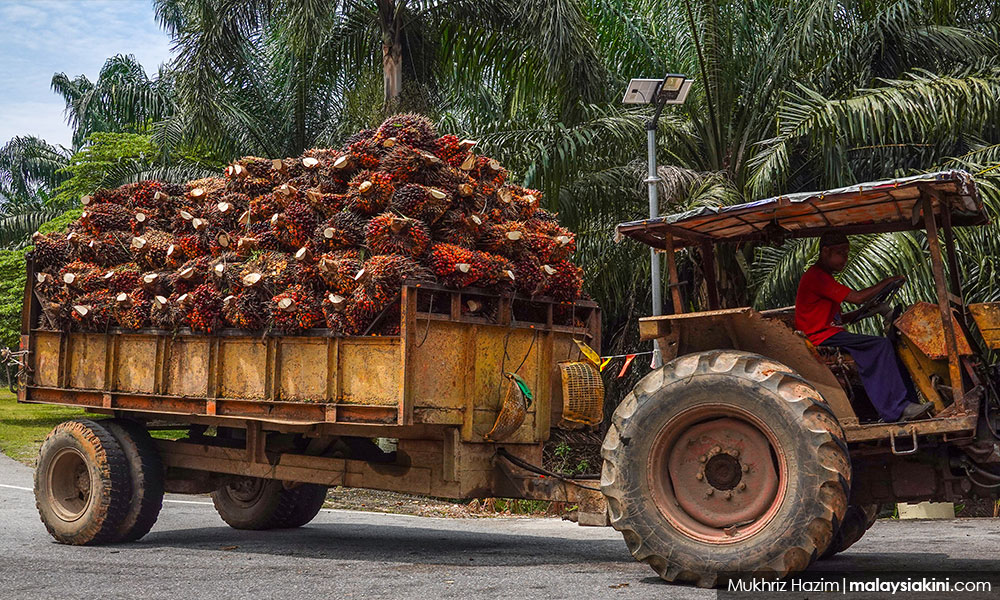
Businesses must undertake the same job again, though, because the EU does not fully recognise it. Similar issues have arisen in Malaysia with regard to its mandatory Malaysian Sustainable Palm Oil (MSPO) since 2020.
Although deforestation has decreased by 78 percent since 2019, because of the National Palm Oil Sustainability Initiative, Kuala Lumpur dislikes the EU's ambiguous risk assessments that could classify it as "standard risk."
By imposing fines that date back in time, the cut-off date penalises more recent plantations that are legally permitted to remain in operation.
Effects on smallholders
Smallholders suffer the most since they lack GPS, digital equipment, and expertise. About 70 percent of small plots in Johor and Riau, Indonesia, failed geolocation, which might harm access to EU markets that account for 10 percent to 15 percent of both nations' exports.
The financial stakes are extremely high: Malaysia and Indonesia each contributed US$3.8 billion (RM14.9 billion) and US$2.5 billion (RM9.8 billion) worth of palm oil to the EU in 2024.
This accounts for three to four percent of each nation’s gross domestic product. Breaking the guidelines might result in financial loss, global price increases, and a shift in trade to other customers, all of which would undermine global efforts to curb deforestation.
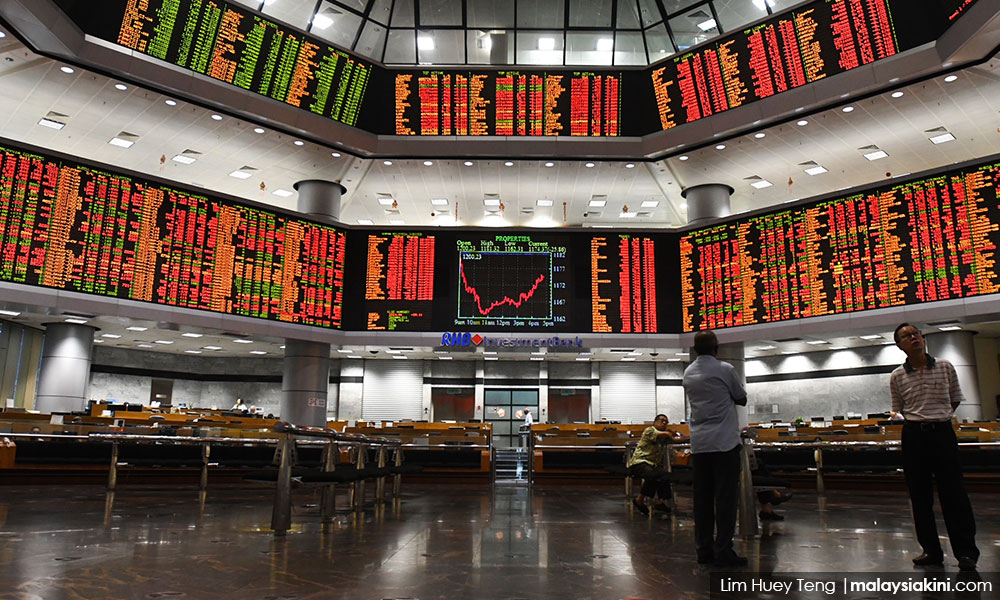
Diplomatic tensions persist despite the progress of discussions on the Malaysia-EU Free Trade Agreement and the Indonesia-EU Comprehensive Economic Partnership Agreement (CEPA).
Indonesian President Prabowo Subianto and Malaysian Prime Minister Anwar Ibrahim urge efforts through the World Trade Organization (WTO) and EU joint task forces.
Civil society organisations urge improvements, such as involving indigenous peoples in benchmarking, requiring collaboration between ISPO/MSPO and EUDR, and funding skill-building initiatives like subsidised GPS apps.
The EU should also "look beyond the canopy" and consider the impact of humans, according to experts.
All must cooperate in order to be fair. Both nations desire greater flexibility in the EUDR. For instance, low-risk plots want their reporting to be simpler, and smallholders want their deadlines moved to December 2027.
Additionally, they wish to exchange satellite data from Malaysia's or Indonesia's authorities. Successful traceability tests in Sabah and West Kalimantan demonstrate their ability to function with assistance.
Grants for environmentally friendly technologies or higher prices for palm oil that has been shown not to contribute to deforestation, such as the RSPO models, could be provided by the EU.
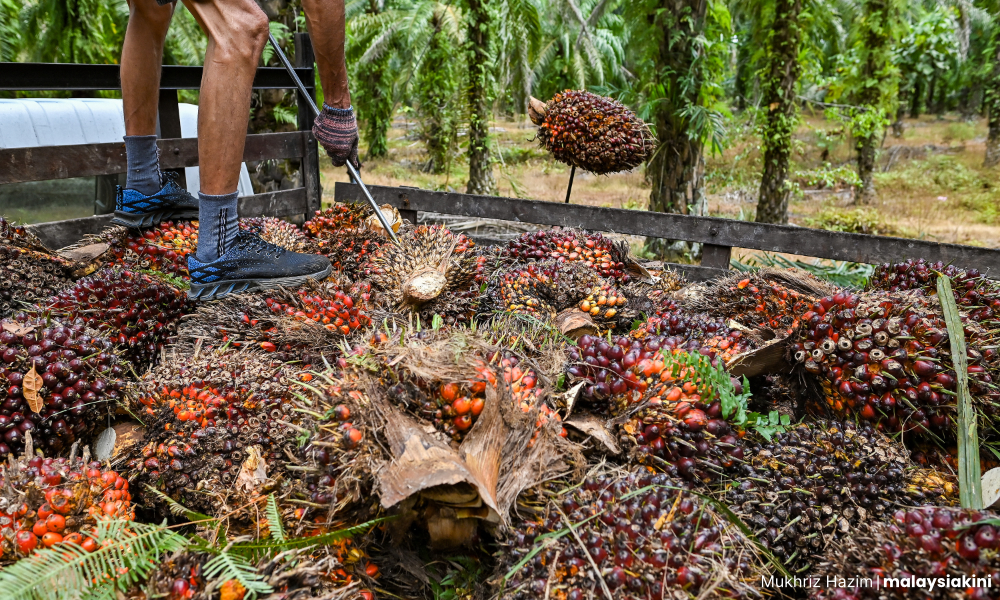
Fairness is ultimately what maintains the balance between human well-being and the health of the world. The EUDR might become a cooperation if the advancements made by both countries were acknowledged.
Malaysia and Indonesia are calling for justice in international regulations, not against sustainability. Open discussions could alter trade regulations as the 2026 deadlines approach, ensuring that everyone is included in the battle against deforestation.
Jopkie Kurniawan is the minister counsellor of the Indonesian Embassy in Kuala Lumpur, and Karim Sulaiman is the owner of an oil palm plantation in North Sumatra.
The views expressed here are those of the author/contributor and do not necessarily represent the views of Malaysiakini.