


/file/publisher-c1a3f893382d2b2f8a9aa22a654d9c97/2026/03/f4cc71838bbbb840607563b062490180.jpg)

LETTER | The temples that the city grew around
LETTER | The presence of Hindu temples on hospital grounds and railway lands in Malaysia today is not an accident of urban sprawl.
They are a historical testament to the labour that built the nation’s backbone.
To understand why these shrines exist, one must look back over a century to the British colonial era, when the landscape of Malaya was transformed from virgin jungle into a global hub for rubber and rail.
Colonial labour built Malaya
During the peak of British colonial rule, Malaya witnessed one of the highest migration rates in the world.
Between 1881 and 1939, hundreds of thousands of South Indian labourers, primarily Tamils, were brought in under the Kangani system and indentured labour contracts.
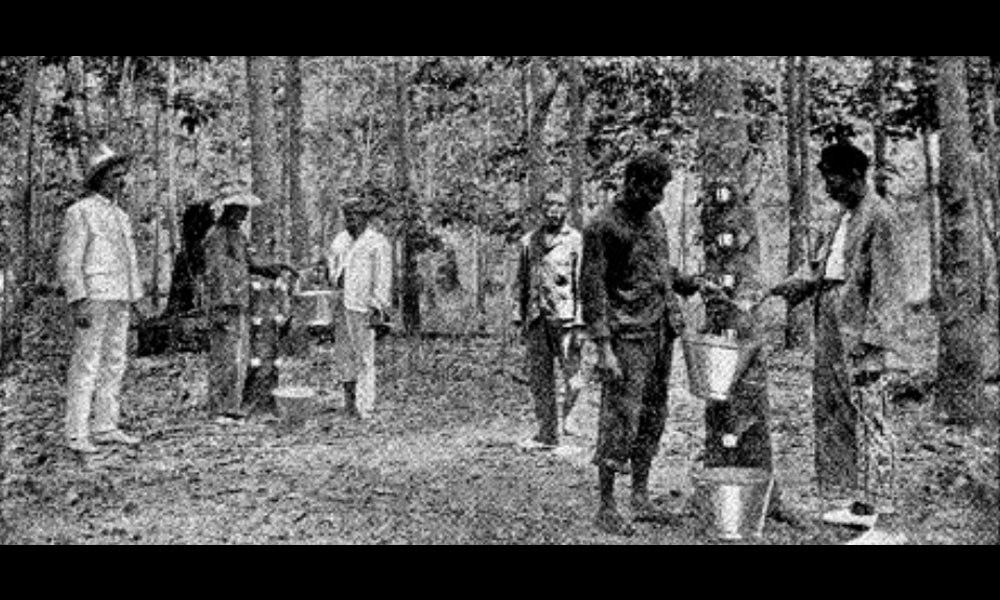
They were the primary workforce tasked with clearing dense tropical forests to lay the tracks for the Malayan railways and constructing the nation’s first public hospitals and government offices.
Shrines for protection and healing
In the early 1900s, these labourers lived in “kuli lines” or labour quarters located immediately adjacent to their worksites.
These areas were often remote, malaria-infested, and dangerous.
Faced with the threat of the Spanish Flu, wild animal attacks, and high workplace fatality rates, workers established small shrines to seek divine protection.
Many early Indian migrants served as the essential heartbeat of colonial hospitals, working as dressers, attendants, and cleaners.
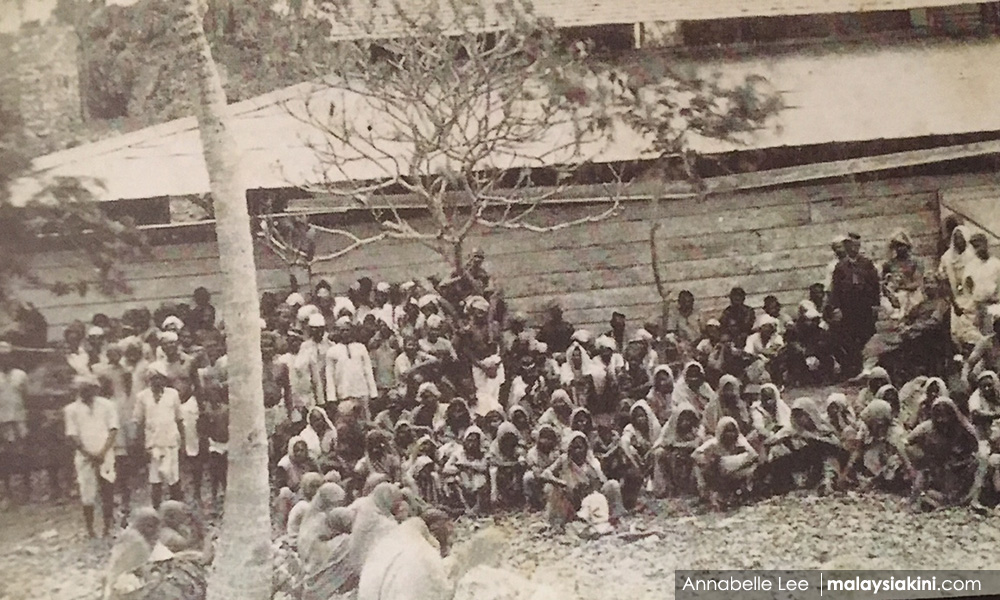
They built shrines on hospital grounds not just for themselves, but as places of “divine healing” for the sick they served.
British resident-generals and colonial administrators explicitly sanctioned these places of worship.
They viewed religion as a tool for “social discipline” and a way to ensure a stable, content, and productive workforce.
MIC deputy president and Tapah MP M Saravanan once urged the government not to overlook the historical facts surrounding the establishment of Hindu temples in Malaysia, many of which received approval from colonial authorities and local administrators.
The majority of Hindu temples on government or plantation lands were built during the British and Japanese colonial eras.
Crucially, these structures were erected decades before the National Land Code 1965 was enacted.
When cities grew around temples
A century ago, these sites were isolated, surrounded by rubber estates. The Indian nurses, doctors, and railwaymen who lived there raised families and anchored their community around these small altars.
Years later, the estates were subdivided into housing schemes, and the small wooden hospitals grew into “hospital besar” (general hospitals).
The once remote railway tracks became the central veins of modern city transport hubs.
Because these temples were established in an era before modern land titles and structured gazetting, many lack “formal” documentation despite being over 100 years old.
Today, these historical sites are often unfairly labelled as “unauthorised structures” or “encroachments” on public land.
Such labels ignore the truth. The temples did not move into the city. The city grew around the temples.
The Indian labourers who cleared the “virgin jungles” to build these very hospitals and tracks laid the spiritual stones of these temples simultaneously.
To question their presence today is to forget the historical reality that without the sweat and spiritual resilience of these pioneer workers, the foundation of infrastructure we now seek to expand would not exist.
M VIVEKANANTHAN is an aide to the Tapah MP and MIC deputy president M Saravanan.
The views expressed here are those of the author/contributor and do not necessarily represent the views of Malaysiakini.
/file/publisher-c1a3f893382d2b2f8a9aa22a654d9c97/2025/06/f038a46245369d1d40b45dc3127cee2b.jpg)
/file/publisher-c1a3f893382d2b2f8a9aa22a654d9c97/2026/03/67361e5f4aca46f25fe0f98d4b8f3b32.jpg)
/file/publisher-c1a3f893382d2b2f8a9aa22a654d9c97/2026/03/59c2958f1ce1362868e55742e40666ef.jpg)
/file/publisher-c1a3f893382d2b2f8a9aa22a654d9c97/2025/06/e2359f621386b02933711f0ad2286ca5.jpg)


Report this comment
Are you sure you want to delete this comment?
This action cannot be undone.