


/file/publisher-c1a3f893382d2b2f8a9aa22a654d9c97/2026/01/1a2bf02c6c2e62c4a4576f38d77487f4.jpg)

LETTER | SPM is a guide, not one's destiny
LETTER | It’s 10am on SPM results day. A 17-year-old stares at their phone, heart pounding. A few taps, and there it is, not the row of As they hoped for.
But around them, friends are cheering. They force a smile for them, ignore a few messages, and quietly think: “I’m not good enough.”
This happens every single year when SPM results come out. It’s not unusual. It’s almost expected. And honestly? It’s built on something that just is not true.
Somewhere along the way, we have convinced ourselves that your SPM results at 17 can tell you where you’ll end up in life.
We put top scorers on a pedestal, share their stories like blueprints for success, and - without meaning to - make everyone else feel like they’ve fallen behind. The message, even if unspoken, is clear: your grades are your worth.
But step outside the exam bubble for a second, and that idea starts to fall apart.
Employment reality
Employers in the country aren’t hunting for perfect SPM transcripts. What they really want to know is: "Can this person actually do the job?"
Over and over, industry surveys say the same thing - many graduates lack communication skills, critical thinking, and the ability to adapt. In other words, people who aced exams but struggle in real life.
At the same time, we have this weird mismatch in the job market. Thousands of graduates are fighting for office jobs that do not exist, while industries like manufacturing and healthcare support are crying out for skilled workers.
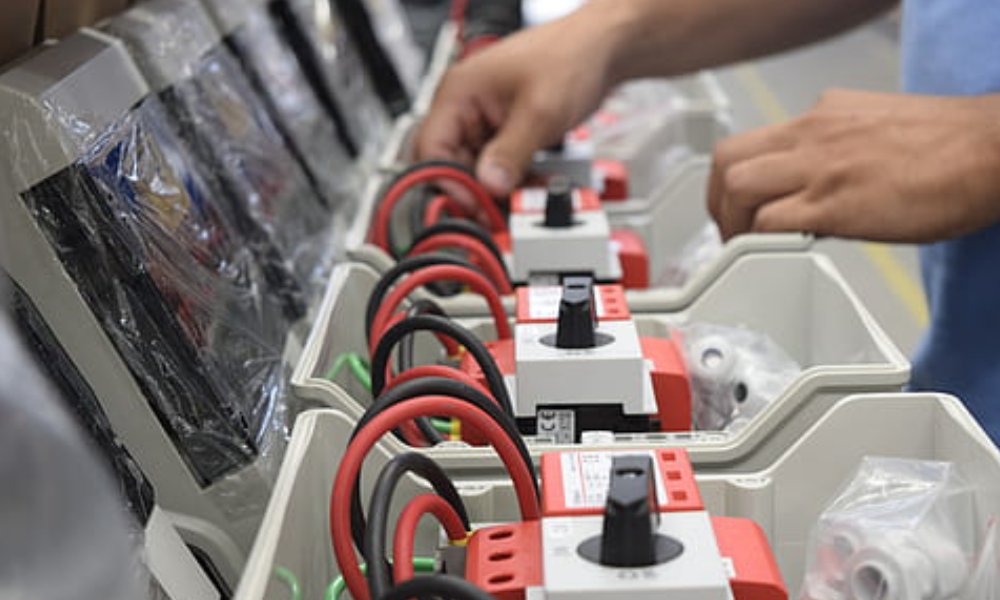
Jobs are going unfilled. People are staying unemployed. That’s not a talent problem - it’s a values problem.
For decades, we’ve been told that academic success is the main event. Back in the day, that made sense. A good certificate was the clearest ticket out of tough circumstances.
However, the economy has changed, but the story we tell ourselves has not.
Today, being able to think on your feet matters more than memorising facts. Adapting matters more than repeating information. But our system still rewards kids mainly for how well they perform under pressure.
The result is a generation that knows how to pass exams, but not necessarily how to handle life.
The emotional toll
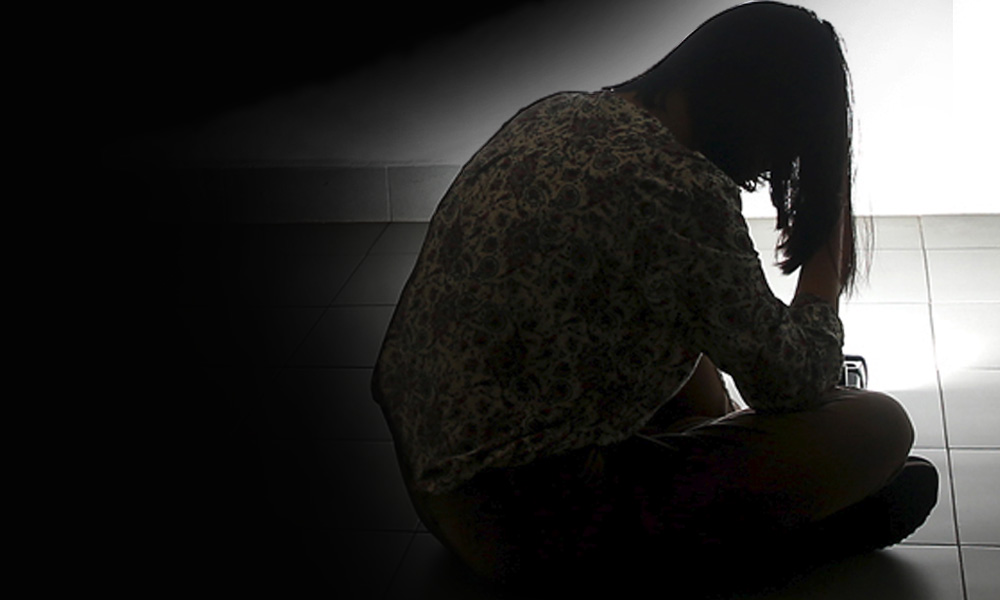
And then there’s the emotional toll. When success is defined so narrowly, failure feels massive. A single piece of paper starts to feel like a life sentence.
Kids lose confidence not because they lack ability, but because they’ve lost perspective.
We’re not just measuring students. We’re labelling them way too young.
Think about this: some of the most resilient, creative, successful people you know didn’t start as top students.
What carried them was not perfect grades - it was persistence, the ability to adapt, and a willingness to fail and try again. Those qualities never make the news on results day. But years later, they’re the ones that matter.
And yet, we’re still stuck in “more As equal to more success” mode. We need to break that equation.
Look at other paths
Malaysia can’t afford to keep looking down on technical and vocational education and training (Tvet), entrepreneurship, and other paths. A country’s strength is in the variety of its people’s talents, not in how similar their report cards look.
Celebrating only one version of success isn’t fairness, it’s short-sighted.
Parents, teachers, policymakers - let’s ask ourselves an uncomfortable question: are we preparing our kids for exams, or for life? Those two things are no longer the same.
SPM should be seen for what it really is - a snapshot, not a life sentence. It’s how someone performed over a period of time within a very specific system.
It doesn’t measure courage, curiosity, honesty, or the ability to grow. It cannot tell you who will lead, who will create something new, or who will keep going when things get hard.

Most of all, it does not decide who someone can become.
So yes, celebrate achievement. Just don’t blow it out of proportion. Recognise excellence, but stop acting like it’s the only path.
And please, let’s stop telling our kids that a few exam papers can decide their whole future.
The longer Malaysia holds onto this illusion, the more it costs - not just our children, but all of us.
The views expressed here are those of the author/contributor and do not necessarily represent the views of Malaysiakini.
/file/1152/a5e8792457a63265813ca3f8b25b746f.jpeg)
/file/1006/44f6e06cc9af23d482b62faa9220a8b2.jpg)
/file/publisher-c1a3f893382d2b2f8a9aa22a654d9c97/2024/10/1223d6ef7a823432d5fb583e7fbb8c35.jpg)
/file/publisher-c1a3f893382d2b2f8a9aa22a654d9c97/2026/02/cecdd8b867f7b5c5bc987e7444653ffe.jpg)


Are you sure you want to delete this comment?
This action cannot be undone.