


/file/publisher-c1a3f893382d2b2f8a9aa22a654d9c97/2025/04/30dcef9ad1864953f4979504f653ecf1.png)

LETTER | Putra Heights residents want closure, not another inquiry
LETTER | I read with interest the recent letter by Prof Chin Yew Sin calling for a royal commission of inquiry (RCI) into the Putra Heights gas pipeline incident.
As one of the many residents whose lives changed on April 1, 2025, I understand why questions continue to be raised and why comparisons are being made with past industrial incidents.
Like many others, I am also aware that the Selangor state government had formed a special investigation committee following the tragedy.
Until today, the full findings remain unclear to many of us.
However, I genuinely question what another lengthy RCI would realistically achieve for affected residents at this stage.
Will it rebuild homes faster? Will it ease the trauma families still carry? Will it help children forget the fear they experienced that day?
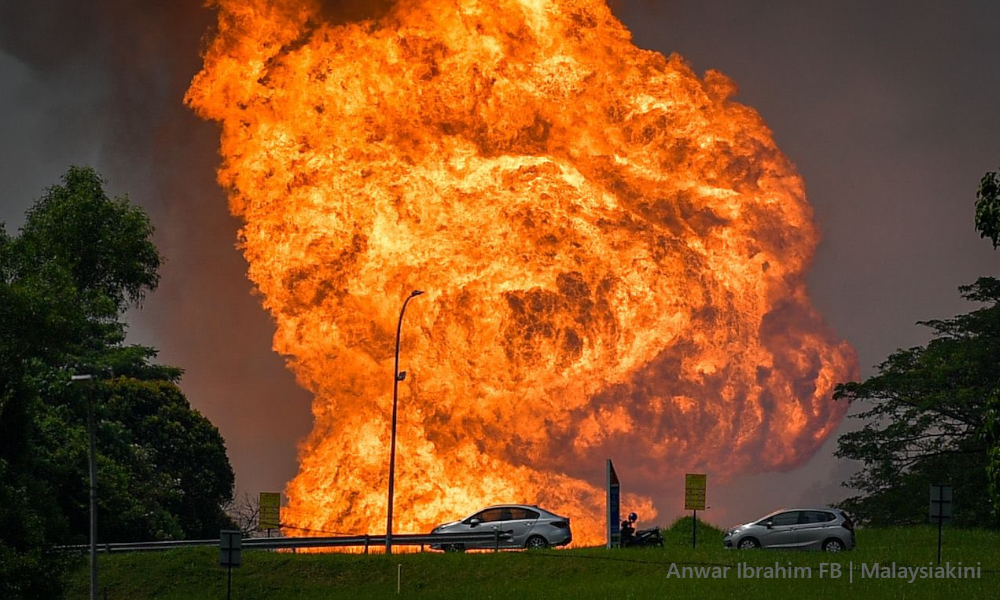
For many residents, another prolonged inquiry may simply mean years of renewed media attention, repeated arguments, emotional exhaustion, and being forced to relive painful memories all over again.
While accountability is important, many of us believe the priority now should be helping residents fully recover and move forward, rather than reopening wounds that are only beginning to heal.
What many residents want today is not another cycle of public debate, but closure.
The reality is that affected families are still rebuilding their homes, finances, and emotional well-being.
Many children are only now regaining a sense of normalcy. Elderly residents who suffered immense stress are trying to recover quietly. Small businesses are attempting to survive.
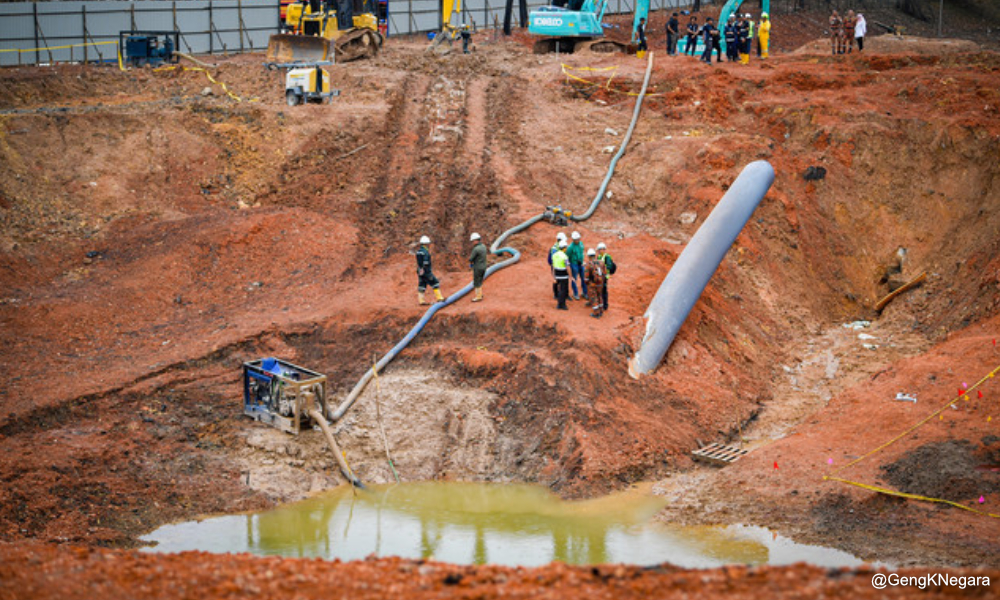
More importantly, multiple processes are already ongoing. Technical investigations have been carried out, recommendations have been announced, support mechanisms continue, and those who wish to pursue accountability through legal means remain fully entitled to do so.
Adding another large-scale public inquiry may ultimately divert time, attention and resources away from what many residents urgently need now - practical recovery, faster resolutions and long-term community restoration.
Over the past year, support from both the federal and state governments, Petronas, NGOs, volunteers, and various parties has helped many affected families slowly rebuild.
Assistance involving homes, vehicles, medical expenses, and household losses has continued, while many residents are trying their best to restore normalcy for their families and children.
Of course, frustrations and unresolved matters still exist. No community recovers perfectly from an incident of this scale.
But many of us hope that all parties involved will now focus on expediting practical solutions instead of continuously reopening painful memories without certainty that doing so will bring meaningful closure.
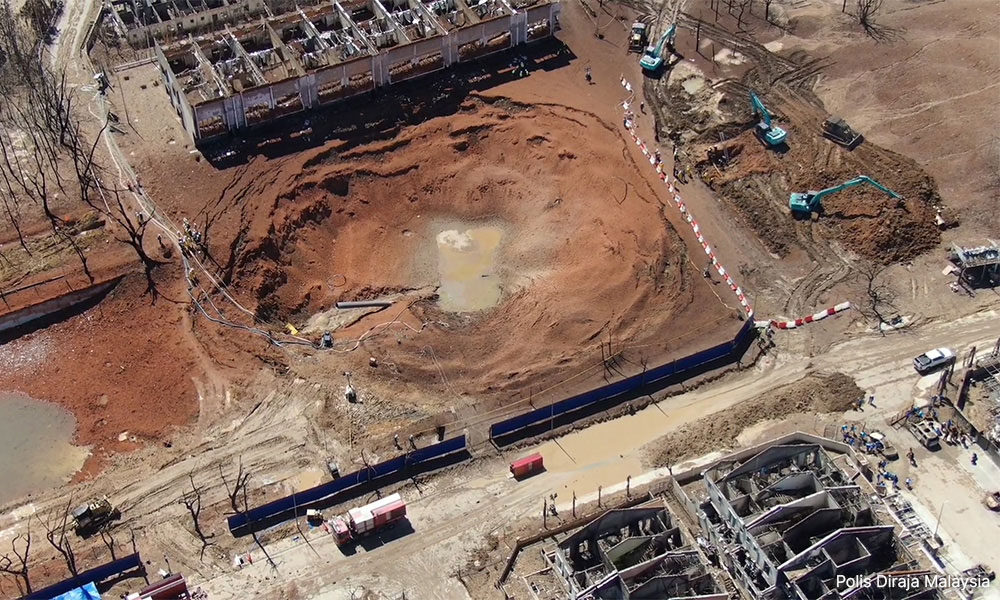
I write not as an expert or activist, but simply as someone who lived through that terrifying day.
One year on, Putra Heights is no longer defined solely by what happened, but by how differently residents have chosen to respond.
Some have chosen legal action, and that is entirely their right. Others have chosen to quietly rebuild and move forward. Both choices deserve respect.
However, it must also be recognised that those pursuing public campaigns do not necessarily represent the views of the entire community.
Many residents in Putra Harmoni, Kampung Tengah, and Kampung Kuala Sungai Baru simply want peace, stability and the opportunity to move on with dignity.
For the media, this may be viewed as a “headline”. But for many of us, it is not something to commemorate. There is nothing symbolic about trauma.
We do not deny the pain, anger, or questions that remain. But sometimes healing also means allowing people the space to move forward in their own way, at their own pace, without constantly being pulled back into the darkest chapter of their lives.
We are not a headline. We are a community trying, quietly and painfully, to rebuild our lives again.
The views expressed here are those of the author/contributor and do not necessarily represent the views of Malaysiakini.
/file/publisher-c1a3f893382d2b2f8a9aa22a654d9c97/2026/04/741e24396f41204277018818a1647ca1.jpg)
/file/publisher-c1a3f893382d2b2f8a9aa22a654d9c97/2026/04/b1e0af08e73e29a777220de48bd917ed.jpg)
/file/publisher-c1a3f893382d2b2f8a9aa22a654d9c97/2025/04/6516bd9ebc982baf64b86eae97ed420c.jpg)
/file/publisher-c1a3f893382d2b2f8a9aa22a654d9c97/2025/04/3747cd3fece66dcbed40bec384d11622.png)
/file/publisher-c1a3f893382d2b2f8a9aa22a654d9c97/2025/10/ce1077baf977ccf6b10436f865edf74b.jpg)
/file/publisher-c1a3f893382d2b2f8a9aa22a654d9c97/2024/07/036c979726c75609cee17072403ac468.jpg)


Are you sure you want to delete this comment?
This action cannot be undone.