


/file/publisher-c1a3f893382d2b2f8a9aa22a654d9c97/2022/12/779a8bd4e30efd8ea7556f0c91b80c1d.jpg)

LETTER | Why M'sia still fails people with disabilities
LETTER | People with disabilities (PwD) in Malaysia continue to face discrimination in ways that many non-disabled Malaysians rarely notice.
Imagine taking public transport without knowing whether your destination has arrived. Imagine going to a hospital during an emergency, only to realise that nobody can communicate with you.
Even more troubling, imagine discovering that the Federal Constitution does not explicitly protect you from discrimination based on disability.
These realities were highlighted during the “Building an Inclusive Society for the Deaf Community” forum that I attended on May 15.
The forum revealed not only the daily struggles faced by PwD in Malaysia, but also the deeper structural barriers embedded within our legal and social systems.
Constitutional gap
Cindy Low, secretary of the Association of Women Lawyers and a member of the Malaysian Bar Council Committee for PwD, pointed out that disability is absent from Article 8(2) of the Federal Constitution, which prohibits discrimination based on religion, race, descent, place of birth, and gender.
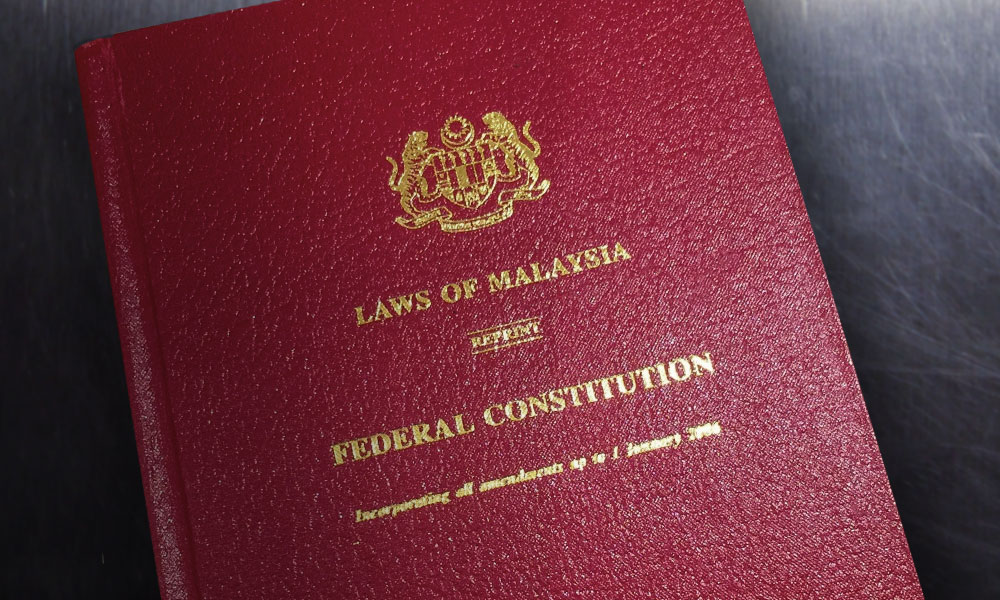
Disability is also excluded from Article 12(1), which prohibits discrimination in education on the same grounds.
At first glance, some may argue that the Persons with Disabilities (PwD) Act 2008 already provides sufficient protection.
However, the reality is far more disappointing. The Act does not clearly define terms such as “discrimination” or “harassment”, making enforcement difficult when PwD face unfair treatment.
More importantly, the law provides limited legal remedies for victims of discrimination. Sections 41 and 42 also protect government officers from legal action if they claim to have acted in “good faith”.
As a result, many PwD remain vulnerable even under the very law that is supposed to protect them.
The forum also highlighted how these legal shortcomings translate into real-life challenges.
Ong Shin Ruenn, president of the Malaysia Deaf Sports Association, shared his experiences as a deaf Malaysian navigating daily life.
One issue he raised was the difficulty PwD face in obtaining health insurance, as only a limited number of insurance providers offer coverage for people with disabilities.

More heartbreaking was the story of one of his friends, who reportedly passed away during a hospital emergency because medical staff were unable to communicate in Bahasa Isyarat Malaysia (BIM).
In a country that prides itself on diversity and inclusiveness, such incidents should deeply concern all Malaysians.
Ong also spoke about the barriers he faced in education. Because his teachers did not understand BIM, he had to extend his primary school education by two additional years.
His experience reflects a broader issue in Malaysia’s education system, where accessibility for deaf students remains inadequate.
Barriers to employment
Employment discrimination is another major challenge. Although the government introduced a one percent employment target for PwD in the public sector, the actual figure reportedly remains between 0.3 percent and 0.5 percent.
In the private sector, employment rates for PwD are even lower due to the lack of binding requirements and proper enforcement mechanisms.
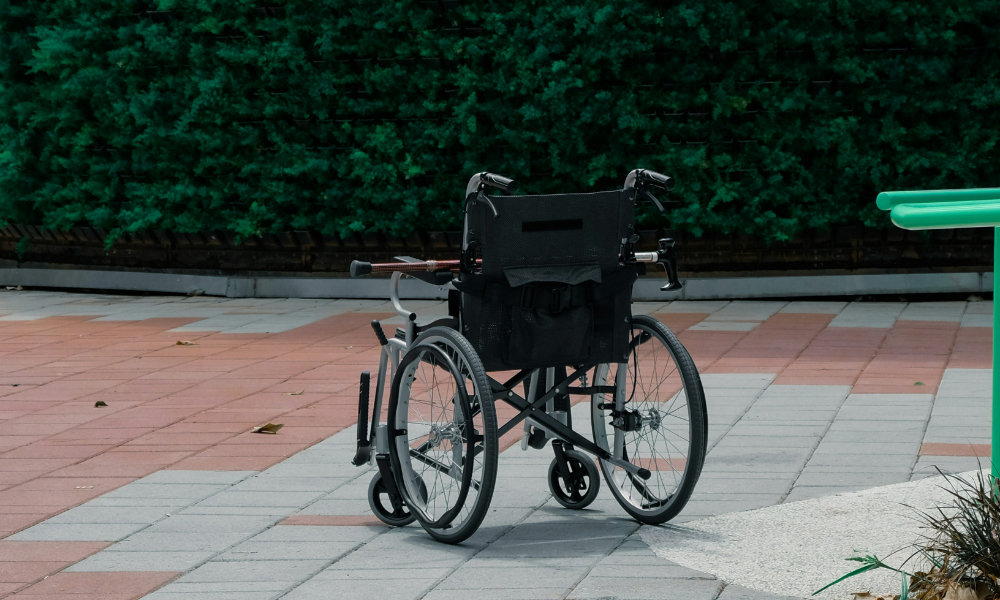
Communication barriers also continue to affect the deaf community significantly.
Adryenne Lim, an associate at Skrine and a member of the Malaysian Bar Council Committee for Persons with Disabilities, highlighted that Malaysia has only around 60 professional sign language interpreters serving approximately 44,000 deaf individuals.
Unlike countries such as the United States, Malaysia still lacks specific laws requiring hospitals or public institutions to provide interpreters for deaf individuals.
Society’s ignorance
As a non-disabled Malaysian, the forum made me realise how many things I have taken for granted.
Accessibility, communication, education, healthcare, and employment are basic rights that many Malaysians enjoy without a second thought.
Yet for many PwD, these rights remain difficult to access.
What affected me most was Ong’s reflection on how athletes with disabilities often do not receive the same recognition or celebration as non-disabled athletes, even when they achieve success at the international level.
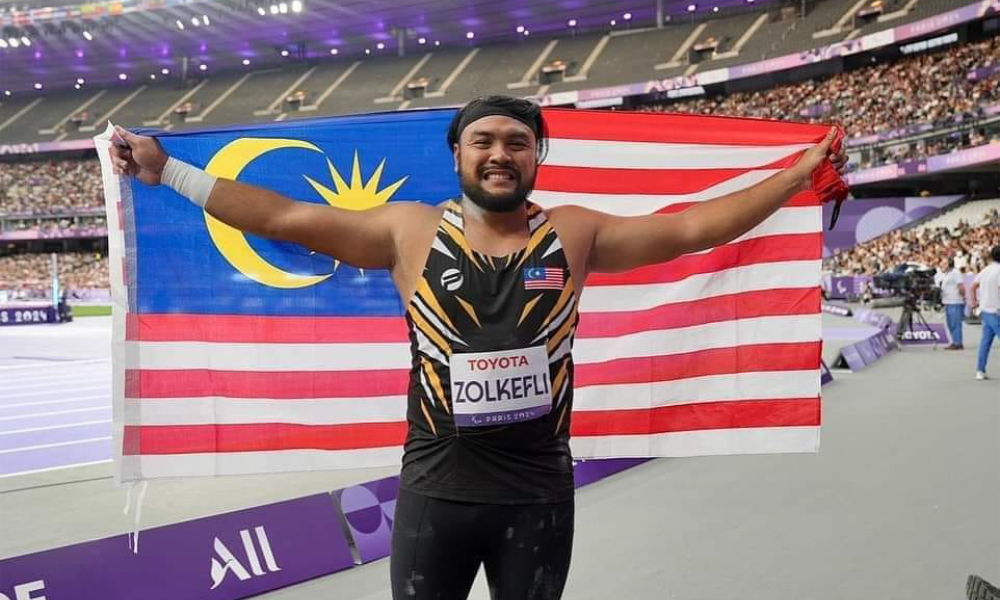
The lack of support from both society and the government also makes it harder for PwD communities, especially the deaf community, to organise activities and sports competitions.
We often ask why discrimination against people with disabilities continues to exist in society.
However, perhaps the issue does not begin solely with individual attitudes. It may also begin with the system itself.
When disability is absent from constitutional protections and when laws fail to provide meaningful enforcement, society may also learn to overlook the needs of PwD.
Discrimination against PwD is not only a social issue. It is also a legal and institutional issue.
Until Malaysia begins to recognise disability rights more seriously within its laws, policies, and public services, true inclusivity will remain more of a slogan than a reality.
The views expressed here are those of the author/contributor and do not necessarily represent the views of Malaysiakini.
/file/publisher-c1a3f893382d2b2f8a9aa22a654d9c97/2024/04/acb10dcb576334d58f53dd90e3ed53a8.jpg)
/file/publisher-c1a3f893382d2b2f8a9aa22a654d9c97/2026/04/9a433e05617ca21f62c5b84ac391003e.jpg)
/file/publisher-c1a3f893382d2b2f8a9aa22a654d9c97/2024/10/4d93d7e33e0560166432ac4c20c7ba8c.jpg)
/file/publisher-c1a3f893382d2b2f8a9aa22a654d9c97/2026/04/efaefc7f325ec43f05af6f81e0a78ad0.jpg)
/file/publisher-c1a3f893382d2b2f8a9aa22a654d9c97/2025/08/4faeec267f4e6f4ef86e50f07e38614f.jpg)
/file/publisher-c1a3f893382d2b2f8a9aa22a654d9c97/2022/10/6d9ccc6e23f8831041760eae5f978079.jpg)


Are you sure you want to delete this comment?
This action cannot be undone.