


/file/publisher-c1a3f893382d2b2f8a9aa22a654d9c97/2024/08/6cabe2b4853cdb163548e95613113034.jpg)

LETTER | When emotion replaces evidence
LETTER | In today’s hyperconnected world, the court of public opinion often delivers its verdict long before the actual courts have had an opportunity to examine the evidence.
Social media platforms have democratised public discourse, allowing citizens to comment, critique, and scrutinise matters of public interest.
While this can strengthen accountability, it has also exposed a troubling reality: public reactions are increasingly driven by emotion, identity, and bias rather than facts and reasoned analysis.
One of the most noticeable features of online discourse is the obsession with the identity of those involved in a case.
Before discussing the facts, many netizens immediately ask for the perpetrator’s “type” - a coded inquiry into race, ethnicity, or religion.
The implication is clear: the gravity of an act, or the public response to it, is often filtered through the lens of identity.
If the alleged offender belongs to a group perceived as “other”, condemnation is swift and uncompromising. If they belong to one’s own community, excuses and justifications are often readily available.
Societal polarisation
This phenomenon reflects a deeper and increasingly worrying trend of societal polarisation. Rather than evaluating actions based on universal principles, many individuals interpret events through tribal loyalties.
Facts become secondary to identity. Wrongdoing is condemned or defended depending on who committed it, rather than what was committed. Such selective outrage undermines the very notion of equality before the law and corrodes social cohesion.
Religious identity also plays a significant role in shaping public reactions. Individuals perceived to be pious or religious frequently receive the benefit of the doubt, even in the face of serious allegations.
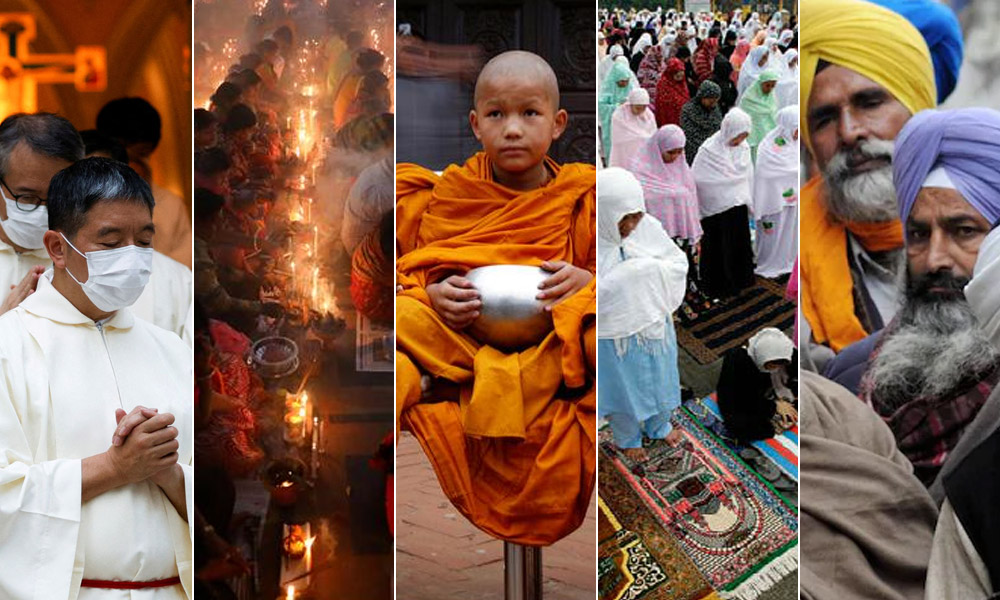
Their public image as a “good person” becomes a shield against scrutiny. Supporters rush to defend them, portraying criticism as an attack on faith itself rather than an examination of individual conduct.
This tendency is particularly dangerous because morality cannot be determined solely by outward displays of religiosity.
History repeatedly demonstrates that people from all backgrounds, professions, and belief systems are capable of wrongdoing.
Elevating certain individuals beyond criticism simply because they appear religious undermines accountability and creates an environment where legitimate concerns can be dismissed.
Victim-blaming
Perhaps, nowhere is this more evident than in public discussions surrounding sexual violence. Cases involving sexual offences often attract an alarming degree of victim-blaming.
Rather than focusing on the alleged conduct of the perpetrator, public attention frequently shifts towards scrutinising the victim’s behaviour, clothing, lifestyle, or personal choices.
Questions are asked about why the victim was in a particular location, why they trusted the accused, or why they did not report the incident sooner.
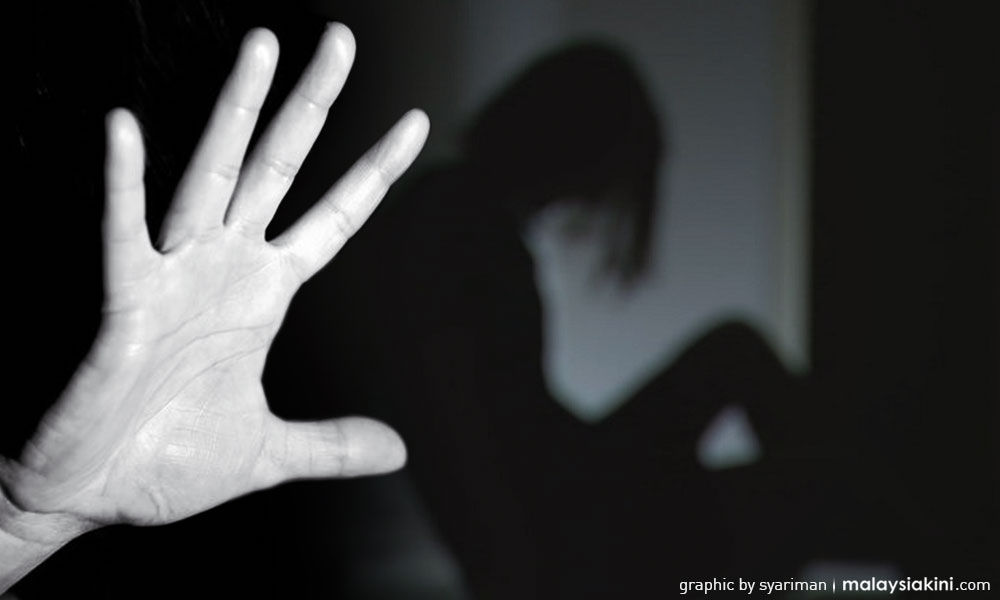
Such reactions reveal a fundamental misunderstanding of the nature of sexual violence. Trauma affects individuals differently, and victims often respond in ways that may not align with public expectations.
Yet many netizens continue to rely on myths and stereotypes, effectively watering down the seriousness of these offences while subjecting victims to a second round of judgment and humiliation.
The consequences extend far beyond online debates. Public attitudes shape social norms. When victim blaming becomes normalised, victims become less likely to come forward.
When identity determines guilt or innocence in the minds of the public, trust in institutions erodes. When emotional reactions consistently overshadow evidence, society becomes more vulnerable to misinformation, prejudice, and manipulation.
This is not an argument against public discussion. Healthy debate is essential in any democratic society.

However, meaningful discussion requires a degree of civic literacy that is often lacking in online spaces.
Citizens must be encouraged to distinguish allegations from proven facts, recognise their own biases, understand the complexities of criminal investigations, and appreciate the importance of due process.
Public education needed
More importantly, there is a pressing need for greater public education on issues such as sexual violence, cognitive bias, media literacy, and critical thinking.
The ability to evaluate information objectively is no longer merely an academic skill; it is a civic necessity. In an era where opinions can spread faster than facts, societies cannot afford to allow prejudice and emotion to become the primary drivers of public judgment.
The court of public opinion will always exist. The question is whether it will be guided by evidence, fairness, and principle, or by identity, emotion, and prejudice.
The answer will determine not only the quality of our public discourse but also the kind of society we choose to become.
The views expressed here are those of the author/contributor and do not necessarily represent the views of Malaysiakini.
/file/publisher-c1a3f893382d2b2f8a9aa22a654d9c97/2023/10/e85e58f901b4be8140e757d9afae817c.jpg)
/file/publisher-c1a3f893382d2b2f8a9aa22a654d9c97/2026/05/1c20132e183365d125dca80d62784d2e.jpg)
/file/publisher-c1a3f893382d2b2f8a9aa22a654d9c97/2026/01/73cfbbd1169a0aac9b75ccefb724c3e5.jpg)
/file/publisher-c1a3f893382d2b2f8a9aa22a654d9c97/2019/11/ae272057d31745954e2574d8cb5adb3b.jpg)
/file/publisher-c1a3f893382d2b2f8a9aa22a654d9c97/2024/03/5682ea1e5a949675676d2b67409fe3bc.jpg)


Are you sure you want to delete this comment?
This action cannot be undone.