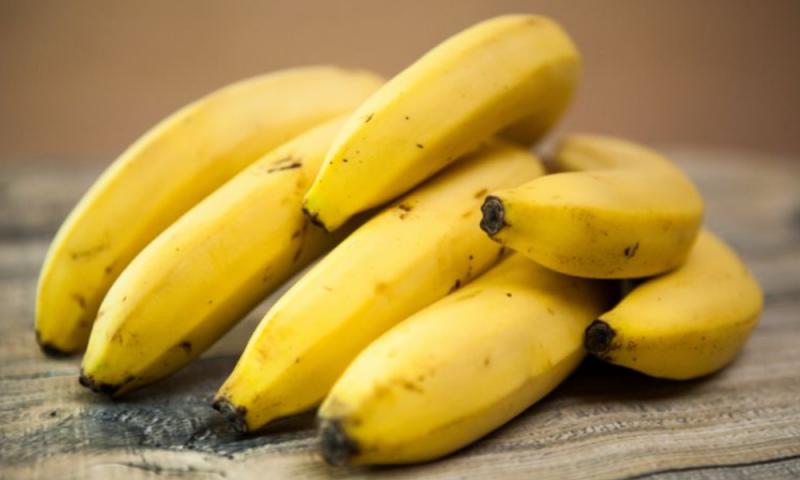

LETTER | The Consumers’ Association of Penang (CAP) calls upon the authorities to ban the use of calcium carbide as a fruit-ripening agent.
Calcium carbide is an industrial chemical that releases acetylene gas when exposed to moisture, a gas that mimics ethylene, the natural fruit-ripening hormone.
However, it also emits toxic compounds such as arsenic and phosphorus.
The use of calcium carbide is not only toxic to consumers but may also be harmful to those who handle it.
It affects the neurological system, resulting in headaches, dizziness, mood disturbances, drowsiness, mental confusion, and seizures in the short term.
In the long term, it can cause memory loss and cerebral oedema. If pregnant women consume fruit ripened with carbide, the unborn child may develop abnormalities.

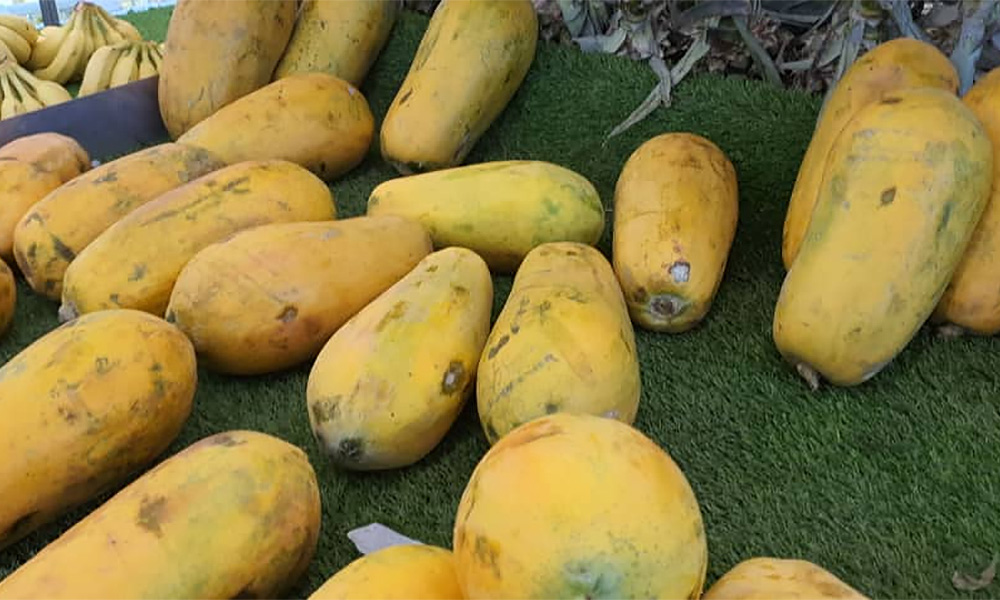
In a survey, we spoke to several fruit vendors in Kepala Batas, Penang, who claimed that they use calcium carbide to ripen certain fruits - including bananas, mangoes, pineapples, and papayas.
They also stated that they sell calcium carbide to other vendors.
Sold using e-commerce platforms
Major e-commerce platforms such as Shopee and Lazada are also selling the chemical. Calcium carbide is also easily available in rural shops at RM10.00 per kilogramme.
The packaging shows pictures of various fruits that can be ripened with calcium carbide, while also indicating that it can be used as fuel for lamps.
When calcium carbide is used for artificial ripening, a chemical reaction occurs due to the moisture content in the fruit.
Heat and acetylene gas are produced and the ripening process is accelerated. However, fruits ripened with calcium carbide may appear soft and have attractive skin colour, but are often poor in flavour and have a shorter shelf life.
An artificially ripened banana may have a yellow outer skin, while the flesh inside remains unripe and green.
During natural ripening, a wide spectrum of biochemical changes takes place, such as chlorophyll degradation and the biosynthesis of carotenoids (antioxidants, immune system boosters and anti-cancer agents), anthocyanins (powerful antioxidants), essential oils, and flavour and aroma compounds.
These beneficial changes that enhance fruit quality are lost in artificial ripening. Besides being toxic, artificially ripened fruits are less nutritious.
Banned in many countries
The practice of ripening fruits using calcium carbide is banned in many countries - including India, European Union member states and the US, yet it is still widely used in Malaysia.
The issue of calcium carbide use in fruit ripening was first raised by CAP in 1975. It was again highlighted in 2011.
It is appalling that despite concerns raised over 50 years ago, the Agriculture and Food Security Ministry and Health Ministry have not effectively curbed this widespread public health concern.

The Agriculture and Food Security Ministry should not only focus on promoting agricultural productivity, but more importantly, ensure the production of safe and healthy food.
What is the point of increasing agricultural output if the produce is unsafe for consumption? The use of pesticides, chemical fertilisers, and other chemical inputs must be stopped.
Malaysia is already facing a rising burden of various cancers and chronic diseases. While multiple factors contribute, continuous exposure to toxic food contaminants cannot be ignored.
In view of the harmful effects of artificially ripened fruits using calcium carbide, CAP calls on the government to impose an immediate ban on its use.
Consumers are meanwhile advised to observe the following when purchasing fruits:
Avoid choosing fruits that appear overly uniform or unusually attractive, as they may have been artificially ripened. For example, a bunch of bananas with uniform colour is more likely to have undergone artificial ripening.
Wash fruits thoroughly before consumption. Keep them under running water for a few minutes to help remove surface residues.
Avoid purchasing fruits that are out of season, as they are more likely to be artificially ripened.
When eating mangoes and papayas, always remove the skin before cutting and consuming, as the outer surface carries the highest concentration of chemicals.
The continued use of calcium carbide in food ripening poses an unnecessary and preventable risk to public health.
Strong regulatory enforcement and consumer awareness are urgently needed to safeguard food safety and ensure that what reaches the table is both wholesome and free from harmful chemicals.
The views expressed here are those of the author/contributor and do not necessarily represent the views of Malaysiakini.