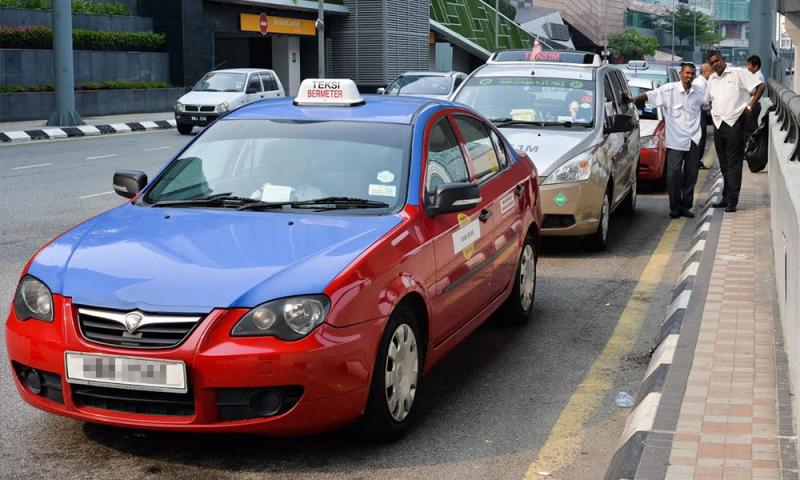

LETTER | Taxi and e-hailing drivers must be vigilant as their work could pose a threat to their own safety, given the proximity between them and their passengers.
Instead of academic discussions, here are some of my real-life experiences over the past decades.
In 1973, I was attached to a tour company that offered chauffeur-driven service, and the fleet included full-sized American cars, six-cylinder Nissans, Holden cars, and Mercedes saloons.
Customers could book by phone or just walk in, hire a car and driver on an hourly or daily basis, and pay the driver at the end of the service.
One day in 1975, a customer requested a Mercedes saloon for an overnight trip to Ipoh. Just like taxi passengers, the customer was anonymous.
At Ipoh, the driver happily agreed to share the same hotel room with the customer, and was also treated to dinner with many bottles of stout.
When he woke up the next day, the customer was gone, and so was the car key. The Mercedes registration was BAA 6722 and was never found.
In the late 1990s, a Mercedes limousine taxi reached a 5-star hotel in Kuala Lumpur from the airport. Upon arrival, the driver did what all chauffeurs would do.
He rushed out to open the boot so the luggage could be taken out swiftly.
When he was closing the boot lid, the car suddenly took off, driven by someone who must have been waiting for such an opportunity after finding the coast was clear and no vehicle was blocking for a quick getaway.
Although it was normal practice to leave the engine running at a hotel driveway, the limousine driver was made to pay for the loss of the Mercedes saloon, as the limousine operator could not claim from the motor insurance company.
Safety measures
Between 2000 and 2003, I drove premier taxis with a partition between driver and passengers. Instead of a front passenger seat, the space was used for luggage.
The front doors could remain locked while keeping the rear doors unlocked for passengers to embark and disembark.
Although most premier taxi drivers preferred to wait indefinitely at hotels for passengers, I had no such patience.
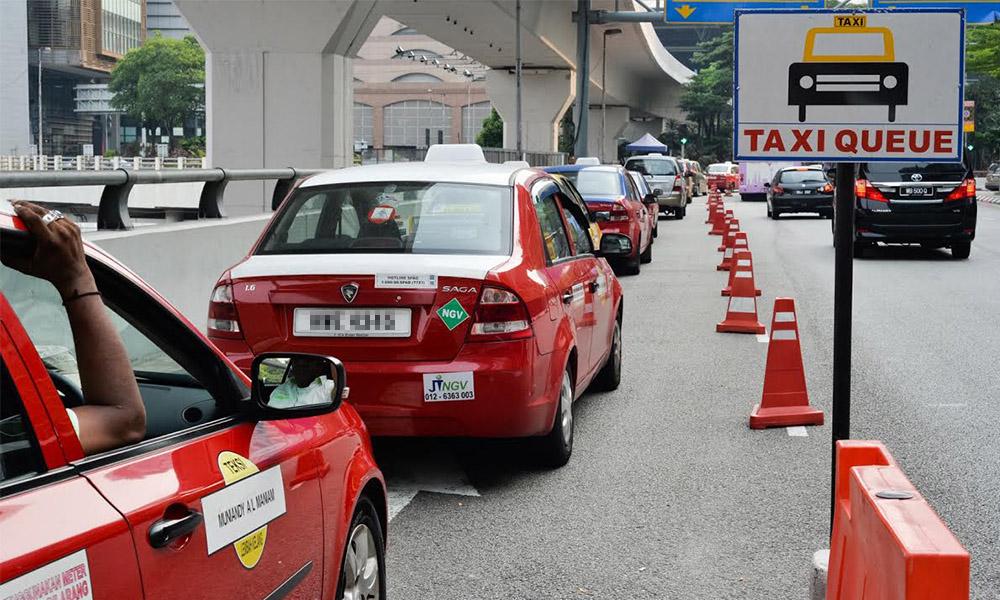
So, I mostly cruised and picked up roadside passengers without having to worry about my safety, and they included many migrant workers, often shunned by most taxi drivers.
From 2004 to 2010, I drove a budget taxi, a Proton Iswara model. Although I continued using the metre and did not choose trips, I was careful not to pick up passengers who could be a threat.
Otherwise, I could be robbed, injured, or killed, which was not uncommon while driving taxis.
Being vigilant sharpened my skills even further. Earlier in 1999, I conducted training on verbal, vocal and visual communication skills, and how to read a person like a book.
Assessing body language
Unknown to many, body language and gestures are dead giveaways, not the words used in speech or writing.
Then, budget taxi drivers would stop their vehicles just before reaching those who flagged down their taxis. As they walk towards the taxi, this would give drivers a few more seconds to size them up.
However, I would stop my taxi with the rear door right next to those waiting.
Those who opened the front door and then closed it to enter via the rear door were asked why they opened the front door.
Many did so by copying others. Those who wish to ascertain whether the driver is willing to go to their destination could also enquire from the back door.
Today, the e-hailing service that we are now accustomed to was introduced by Uber in July 2014, and later MyTeksi, which was launched in 2012, also started offering private cars in addition to taxis.
Later, MyTeksi morphed into Grab, offering GrabCar and GrabTaxi.

With the exit of Uber from Southeast Asia in March 2018 and the acquisition of a 27.5 percent stake in Grab, the latter remained the dominant app in the region.
While there are dozens of e-hailing apps operating in Malaysia, Grab's share of the market is well over 90 percent.
Recently, the safety of e-hailing drivers came under the spotlight, with experts and concerned parties weighing in.
Whatever preventive measures can be introduced, there will be new challenges in the future. Regardless of protection, it always pays for drivers to remain vigilant.
The views expressed here are those of the author/contributor and do not necessarily represent the views of Malaysiakini.