


/file/publisher-c1a3f893382d2b2f8a9aa22a654d9c97/2024/06/e6f3b0caa893578a717b0198a3ebe9fa.jpg)

LETTER | Provide fuel subsidies for tourism players
LETTER | Last Sunday, Finance Minister II Amir Hamzah Azizan spoke to the media during a Budi diesel outreach programme at a Shell station in Kota Kinabalu.
He clarified that the government’s priority is to subsidise Malaysian citizens rather than foreign tourists.
He added that instead of providing fuel subsidies directly to the tourism industry, the government will focus on developing broader tourism infrastructure like airports and flight networks to attract more visitors.
Agreed, tourism requires a multipronged approach and gaps should be addressed.
His remarks were a direct response to complaints from certain tourism operators and cooperatives in Sabah claiming they were left out of the subsidy scheme despite being major state revenue contributors.
What Amir said was a revelation. I had previously accepted the fact that the powers that be were not keen to extend diesel subsidy to tourism vehicles.
But after learning the justifications for such a decision, I now realise that the authorities may not have a full grasp of the tourism industry.
Overlapping benefits
The minister spoke as if the tourism sector caters only to foreign visitors, which is nothing could be further from the truth. The fact is services for inbound and domestic tourism overlap so completely that suppliers do not differentiate or discriminate between foreigners and locals.
While foreign and domestic tourists may stay at different classes of hotels of their choice, all visitors require road transport to reach their accommodation or visit various places such as restaurants, shopping outlets and many attractions.
Tour buses are used for large or mid-size groups, and tour vans for smaller groups, families, couples and individuals sharing transport with others.
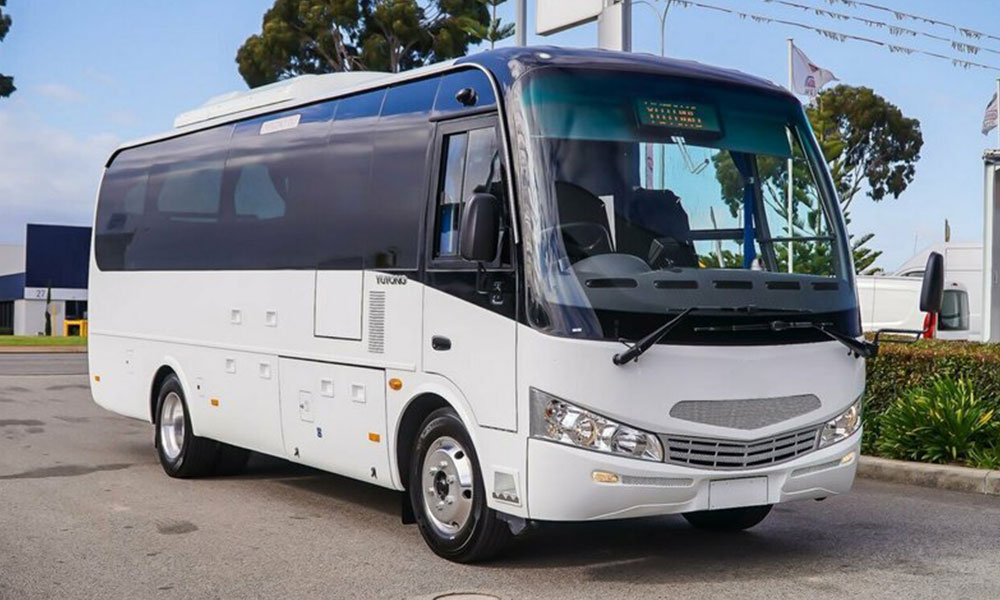
These tourism vehicles run on diesel and drivers pay when refuelling, not passengers - be they foreign visitors or Malaysians.
Just like all other government subsidies across many sectors to bring costs down, including fuel subsidies for citizens, everyone in the country benefits, including foreign visitors.
Instead of merely believing that diesel subsidies for tour buses and vans would only benefit foreign visitors, it is more prudent to determine whether there is a net gain for our country.
Lowering costs at home not only attracts more foreign visitors but would also encourage domestic tourism and discourage Malaysians from looking for cheaper options overseas.
While the Finance Ministry may have to spend a fraction more to include tour buses and vans for diesel subsidy, the increase in foreign exchange and domestic visitor arrivals would boost tourism expenditure locally, and in turn generate more income, taxes, businesses and job opportunities.
Otherwise, withholding diesel subsidies from tourism vehicles would only be seen as penny-wise and pound-foolish.
The views expressed here are those of the author/contributor and do not necessarily represent the views of Malaysiakini.
/file/publisher-c1a3f893382d2b2f8a9aa22a654d9c97/2024/07/cb1d6bcb4f92c92ce4fe107195d2d644.jpg)
/file/publisher-c1a3f893382d2b2f8a9aa22a654d9c97/2026/03/827751fcbf33e7983e4d564fb73d6836.png)
/file/publisher-c1a3f893382d2b2f8a9aa22a654d9c97/2024/06/b94695836ca8165238b5cdcbea554614.jpg)
/file/publisher-c1a3f893382d2b2f8a9aa22a654d9c97/2023/08/f29411aa6ba6450ff9049fd3b5a4373c.jpg)


Are you sure you want to delete this comment?
This action cannot be undone.