


/file/publisher-c1a3f893382d2b2f8a9aa22a654d9c97/2024/06/884cfe1786d9ceb8352496573acbd39d.jpg)

LETTER | Scams are costing Malaysia more than money
LETTER | Every day, millions of Malaysians unlock their devices to check a message, transfer funds, pay a bill or browse social media.
These simple actions have become second nature for most of us. Yet behind this convenience lies a growing danger. A single phone call or text message can wipe out a lifetime of savings in just a few minutes.
When we hear about scams, we often focus on the money that has been stolen. While financial losses are alarming, they tell only part of the story.
The real cost of scams extends far beyond bank accounts. It erodes trust and damages confidence in digital services.
The latest figures paint a worrying picture. Malaysia recorded 66,204 online cases in 2025, an increase of 87 percent from the previous year. Total losses reached an astounding RM2.97 billion.
Fake investment schemes alone accounted for RM1.47 billion in losses, while phone scams remained the most common type of fraud with more than 28,000 reported cases.
These numbers are not merely statistics; they represent families who lost retirement savings, education funds for young generations and entrepreneurs who lost business capital.
Misconception
Maybe the most dangerous misconception is that scams only occur to those who are unfamiliar with technology. However, in reality, modern scammers are skilled manipulators.
They exploit human emotions rather than technological weaknesses. For instance, they create a sense of urgency by claiming that a bank account has been compromised.
They invoke fear by pretending to be police officers or government officials. Well, nowadays people are more aware of these common tactics but sometimes people still fall into the trap.

Increasingly, they use artificial intelligence to produce convincing voices, realistic images and highly personalised messages that make deception even harder to detect.
This is the reason why anyone can become a victim. Education level, age and profession are no guarantee of immunity.
Even individuals who understand cybersecurity might make mistakes when emotions cloud judgement. A moment of panic or excitement is often all it takes for scammers to succeed.
Beyond financial losses
The consequences will definitely reach far beyond financial losses. Many victims experience embarrassment and guilt, believing they should have recognised the warning signs.
Besides, some become reluctant to use online banking features again after getting scammed. Others lose confidence in investing. In some cases, the psychological impact can last for years, which can affect mental wellbeing.
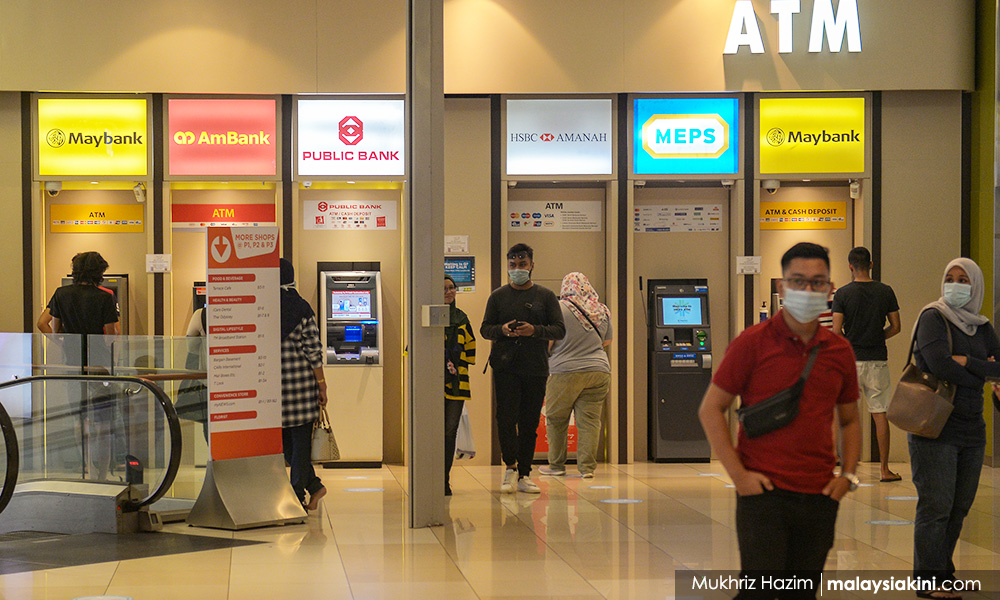
The wider economy also pays the price. As scam cases continue to rise, banks invest more heavily in fraud prevention systems, businesses strengthen cybersecurity measures and law enforcement agencies devote increasing resources to investigations.
The costs are ultimately shared by everyone. Trust is the foundation of any digital economy. If Malaysians begin to fear every online transaction, every investment opportunity or every unexpected phone call, the country’s digital transformation will inevitably slow.
Malaysia has taken meaningful steps to combat this growing threat. The National Scam Response Centre has improved coordination among banks, law enforcement agencies and regulators, allowing suspicious transactions to be identified and frozen more quickly.
Public awareness campaigns have also become more visible. These initiatives deserve recognition, but the sharp rise in scam cases suggests that awareness alone is no longer enough.
Digital literacy
Addressing this growing threat requires more than asking people to stay vigilant. Digital literacy should become a lifelong skill through regular awareness programmes in schools, workplaces and communities.
Banks should continue strengthening fraud detection systems to identify suspicious transactions before money is transferred, while technology companies must act more swiftly to remove scam advertisements, fake investment schemes and impersonation accounts.
Combating scams requires a shared commitment from the government, financial institutions, technology companies and the public.
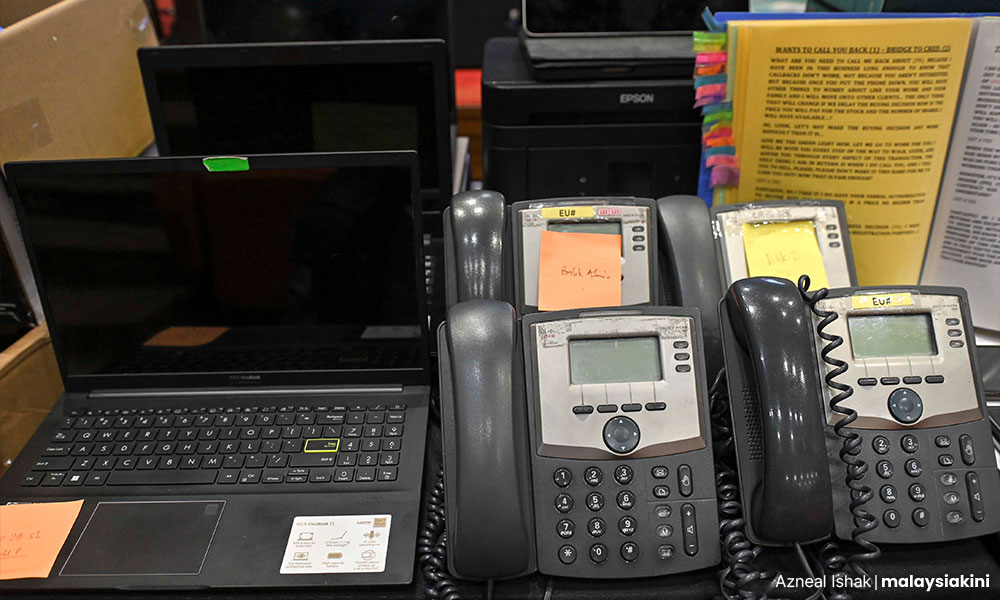
Finally, every Malaysian has a role to play. We should verify before we trust, pause before we transfer money and speak openly about scam experiences instead of treating them as a source of shame.
Victims deserve empathy, not blame. Sharing experiences may prevent someone else from suffering the same fate.
Scams are no longer isolated crimes affecting a handful of unfortunate individuals. They have become a national challenge, threatening public confidence in our increasingly digital society.
The billions of ringgit lost each year are significant, but the erosion of trust may prove even more costly.
The views expressed here are those of the author/contributor and do not necessarily represent the views of Malaysiakini.
/file/publisher-c1a3f893382d2b2f8a9aa22a654d9c97/2026/02/a0cba1c477d5118d0197bd2a4c0e5ca6.jpg)
/file/publisher-c1a3f893382d2b2f8a9aa22a654d9c97/2025/02/788255f1f6ff75586af05151c6e61077.jpg)
/file/publisher-c1a3f893382d2b2f8a9aa22a654d9c97/2020/06/97104b47effb15d0aa222a8107d59d90.jpg)
/file/publisher-c1a3f893382d2b2f8a9aa22a654d9c97/2026/04/c70c677dbf30167a95fcd8df0826119f.jpg)


Are you sure you want to delete this comment?
This action cannot be undone.