


/file/publisher-c1a3f893382d2b2f8a9aa22a654d9c97/2026/05/42ee00dd503df1ccad8b5ac86f992d5d.jpg)

Gamuda Technologies: Applied intelligence for mission-critical environments
For decades, Gamuda has been synonymous with complex engineering solutions.
From the award-winning SMART Tunnel in Kuala Lumpur to major rail systems across Malaysia, Australia, Singapore and Taiwan, the company has built a reputation for delivering complex engineering projects at scale.
Today, that same engineering DNA is driving a new frontier: digital sovereignty and artificial intelligence.
Through Gamuda Technologies, the group integrates engineering expertise with AI, software capabilities and modern cloud infrastructure. What began as internal innovation to support Gamuda’s construction and operational ecosystem has evolved into a broader strategy focused on building capable, intelligent and locally developed technology products for the external market.
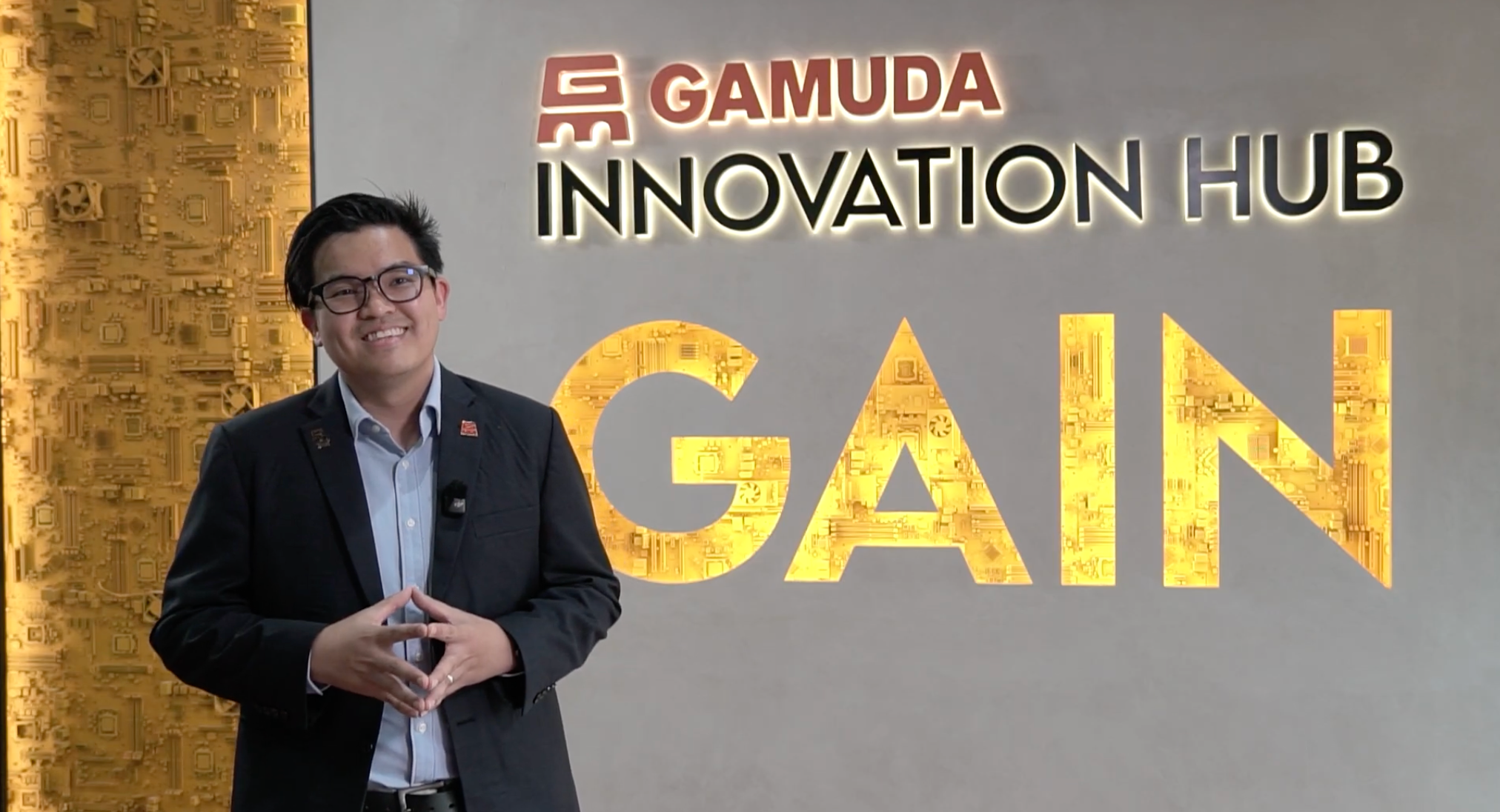
“At its core, Gamuda Technologies is anchored on four pillars: Local People, Models, Software and Hardware. Meaningful AI transformation does not come from a single component, but from the seamless integration of subject matter expertise, tech talent and secure infrastructure working together as one stack,” said John Lim, Group Chief Digital Officer of Gamuda.
One of the biggest concerns surrounding modern AI adoption is security. Many organisations today rely on foreign-hosted AI platforms and cloud infrastructure, where sensitive data is processed outside national borders. While these systems offer convenience and scale, they can also introduce risks around visibility, access and control, particularly when organisations are managing sensitive data or operating in regulated environments. When sensitive data is processed outside national borders or through third-party environments, organisations may have less direct control over how it is accessed, stored, governed and protected from geopolitical or cybersecurity risks.
This is why sovereign AI and infrastructure are becoming increasingly important. Globally, the shift is already gaining momentum. Accenture’s 2025 Sovereign AI research found that 61% of business and government leaders are now more likely to seek sovereign technology solutions as geopolitical risk rises and the economic value of AI becomes clearer.
For enterprises and public-sector organisations, the question is no longer only what AI can do. It is how much control they have over the models, data, deployment environments and governance behind it.
Building digital infrastructure for a sovereign future
One of Gamuda Technologies’ subsidiaries is Gamuda DNeX Cloud, a partnership with Dagang NeXchange Berhad to provide novel Air-Gapped Google Distributed Cloud Services (GDC Services), a sovereign cloud platform designed for highly secure and disconnected environments.

“Unlike conventional cloud systems that depend on continuous internet connectivity, the air-gapped model operates completely disconnected from the public internet. This creates an ultra-secure computing environment suitable for government agencies, defence operations and enterprises handling sensitive data,” said Ashraff Ismail, CEO of Gamuda DNeX Cloud.
WIRA by Gamuda: Malaysia’s Sovereign AI Model
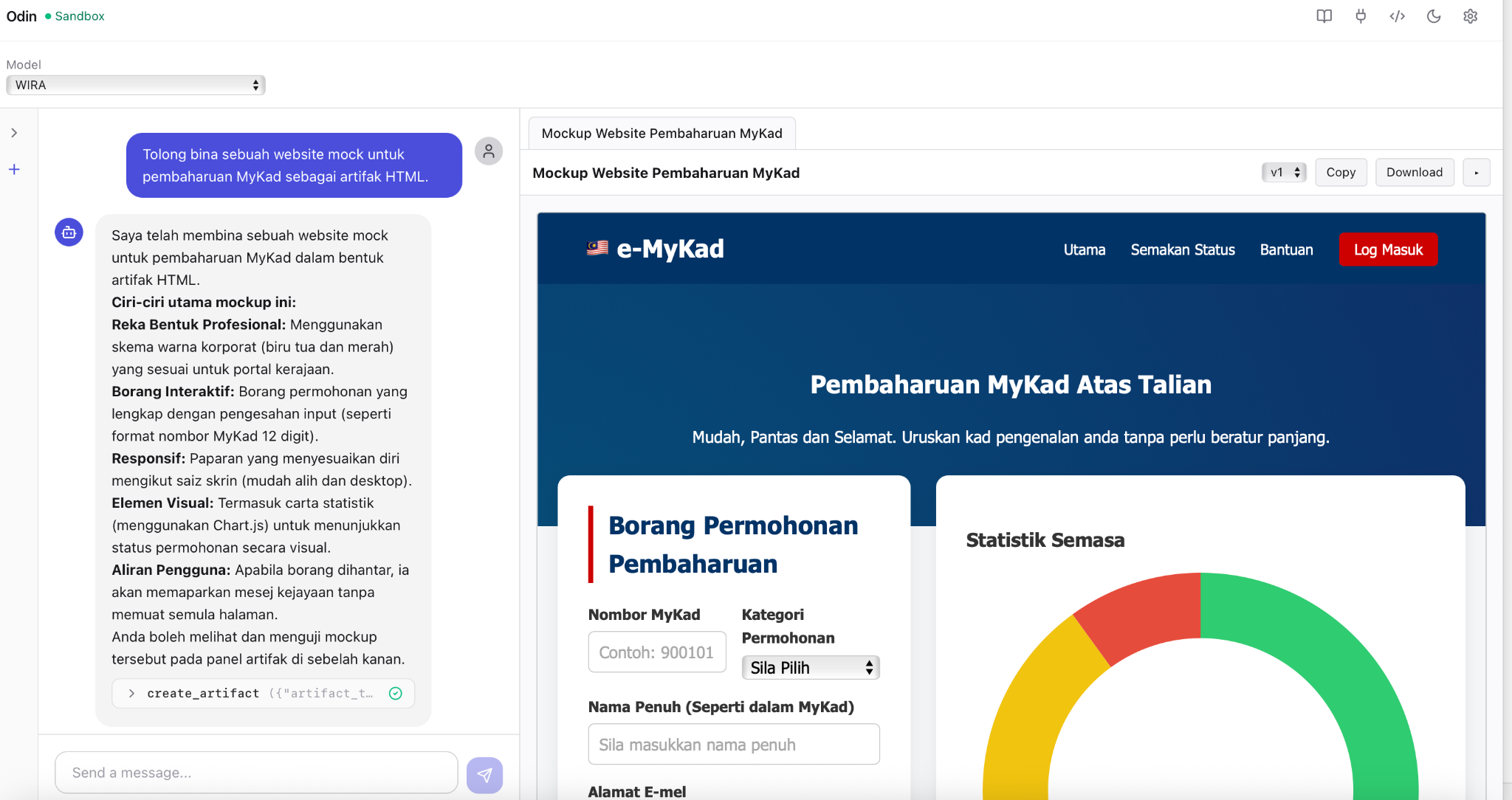
“Designed with local context in mind, WIRA understands Malaysian languages, dialects and cultural nuances that are often overlooked by global AI models. This enables more natural and contextually accurate interactions for Malaysians,” said Ashraff.
WIRA has demonstrated strong performance in Bahasa Melayu comprehension and reasoning. Evaluated using MalayMMLU, the leading benchmark for Bahasa Melayu AI models — WIRA has achieved an industry-leading average score of 89.20%.
The benchmark consists of over 24,213 multiple-choice questions across 22 subjects, including Bahasa Melayu, Malaysian history, religious studies, science and social sciences, assessing both linguistic capability and contextual understanding of Malaysian culture.
“Beyond language capabilities, WIRA is multilingual and multimodal, supporting over 100 languages while processing text, forms, documents, images and charts. It is also designed to scale across different computing environments, from enterprise systems to high-performance GPU clusters,” said Ashraff.
This flexibility makes WIRA particularly suited to government, GLCs, regulated industries and enterprises that handle sensitive data or operate in compliance-heavy environments, where security, local context and digital sovereignty are key priorities.
In this context, WIRA represents more than a locally developed language model. It provides a sovereign AI foundation that can support Malaysian organisations as they move from AI experimentation into real business workflows, where trust, accountability and control over data, models and deployment matter.
Turning AI into practical enterprise solutions
Beyond infrastructure and language models, Gamuda Technologies is also embedding AI into enterprise applications designed to solve real operational challenges.
This is where sovereign AI moves from capability into practical use, helping organisations apply AI to knowledge retrieval, business intelligence, geospatial analysis and operational decision-making. Among its growing suite of solutions are Agentlinc, Trudax and SpatialQ.
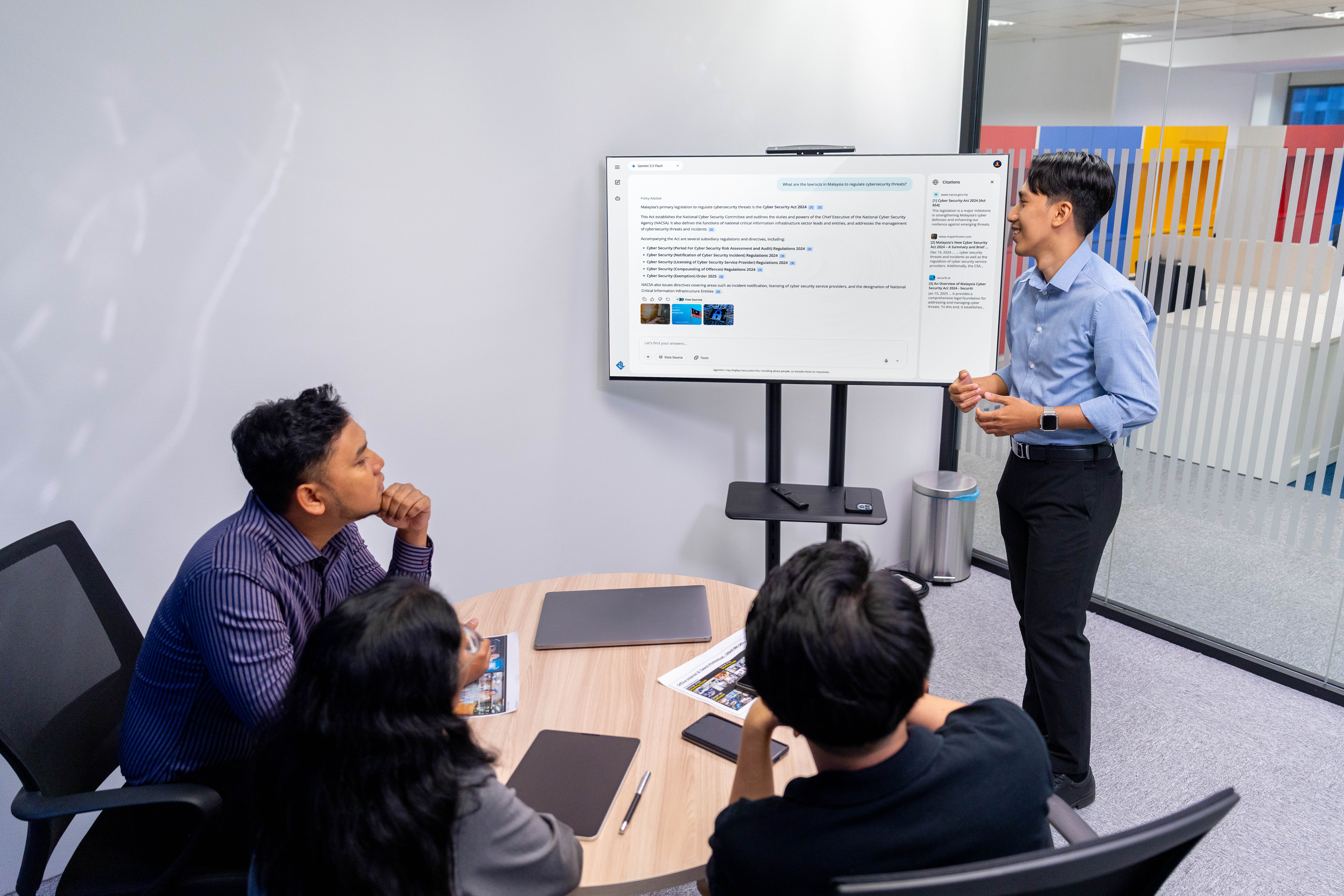
Agentlinc enhances productivity by assisting users with report drafting, document summarisation, research and workflow automation.
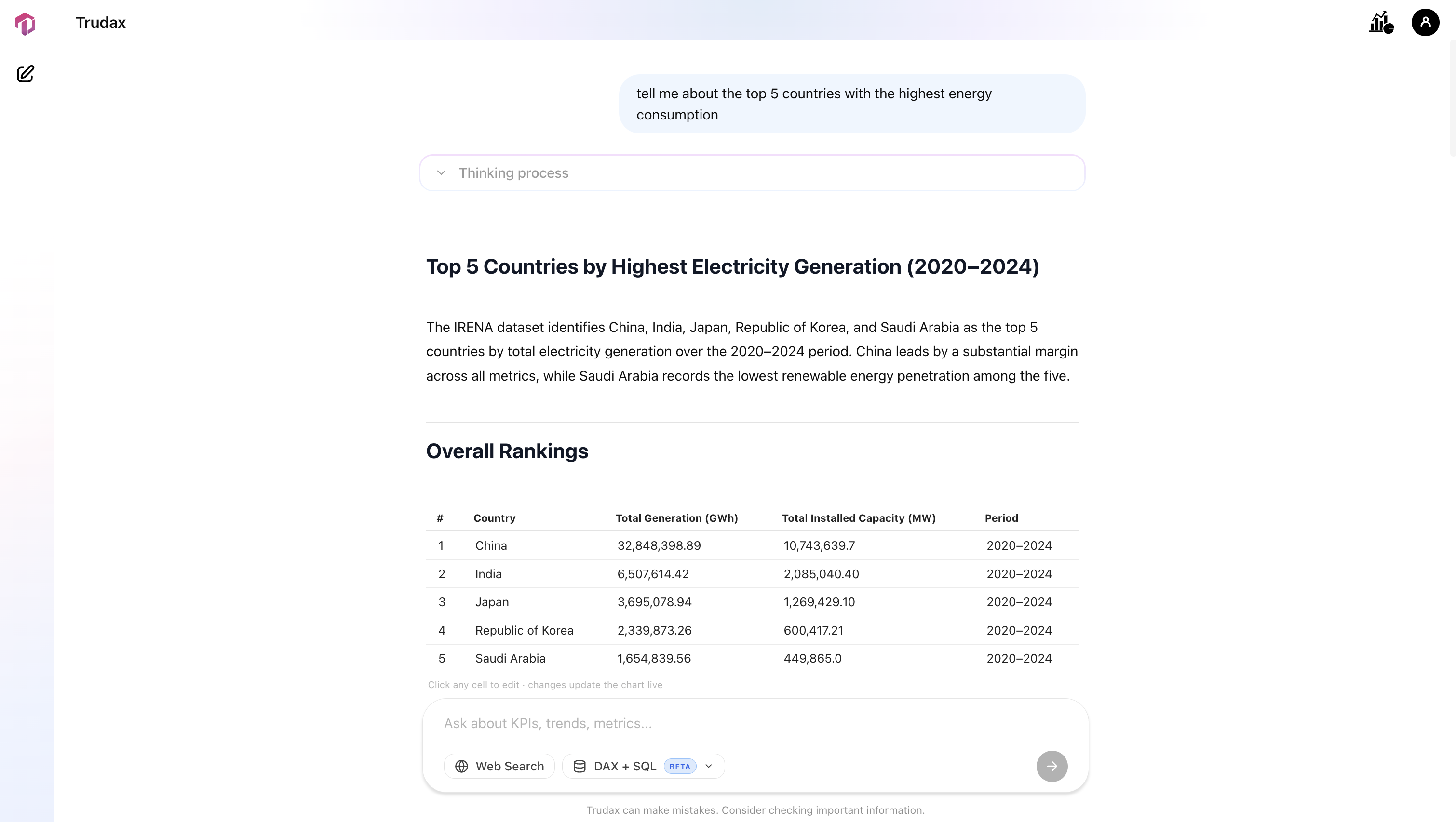
Trudax focuses on business intelligence and analytics. Through AI-powered agents that function as always-on business analysts, the platform helps organisations overcome “dashboard fatigue” by simplifying access to insights across multiple systems.
Meanwhile, SpatialQ applies AI to geospatial analysis, transforming complex geographic and earth observation data into accessible insights through a no-code interface.
Together, these solutions reflect Gamuda Technologies’ broader strategy of embedding sovereign AI capabilities into practical, enterprise-ready platforms that improve decision-making and operational efficiency across industries.
Developing Malaysia’s AI talent pipeline
Technology alone, however, is not enough.
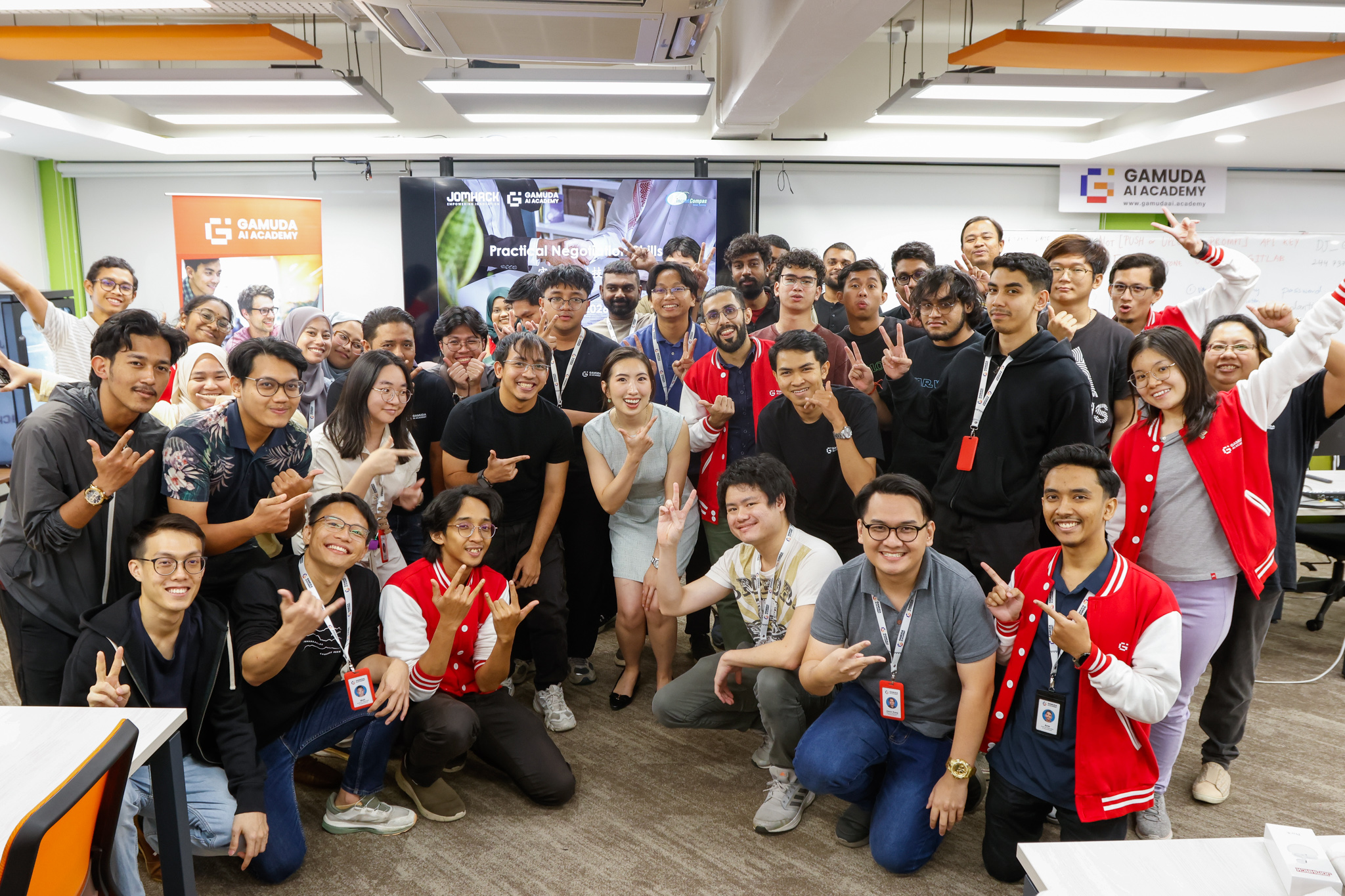
Recognising that talent development will be critical to Malaysia’s digital future, Gamuda launched the Gamuda AI Academy in collaboration with Google Cloud to help build the country’s next generation of AI professionals.
The academy currently operates across Kuala Lumpur and Sabah, and has recently collaborated with the Centre for Technology Excellence Sarawak (CENTEXS) in Sarawak. To date, the academy has trained close to 350 students and engineers nationwide.
“One of our biggest priorities is talent development. Through the Gamuda AI Academy, we aim to create pathways for Malaysians from diverse educational backgrounds to participate in the AI economy,” John said.
He added that technology is only as powerful as the people behind it. As such, building a strong talent pipeline remains central to Gamuda Technologies’ ambition to become a full-stack AI company while supporting Malaysia’s transition into a high-income, sovereign digital economy.
Engineering the next generation of national infrastructure
Gamuda Technologies believes Malaysia’s future competitiveness will depend on its ability to own, operate and scale these capabilities locally.
By combining sovereign cloud infrastructure, locally developed AI models, enterprise software and talent development under a unified ecosystem, Gamuda is positioning itself not merely as a technology provider but as a long-term architect of Malaysia’s digital future.
In many ways, the company’s mission remains unchanged from the one that established its reputation decades ago, engineering solutions that advance the nation’s growth and resilience.
Only now does the mission extend beyond concrete and steel into the cloud, intelligence, and cyberspace.
To learn more about Gamuda Technologies and its sovereign AI ecosystem, visit gamuda.tech and gamudadnex.cloud.


Are you sure you want to delete this comment?
This action cannot be undone.