




Malaysia's Human Rights Council bid hard to foil
A former Suhakam commissioner is sceptical that the intense campaign by NGOs to halt Malaysia’s re-election into the UN Human Rights Council will bear fruit, as the global body is “very highly politicised.”
A former Suhakam commissioner is sceptical that the intense campaign by NGOs to halt Malaysia’s re-election into the UN Human Rights Council will bear fruit, as the global body is “very highly politicised.”
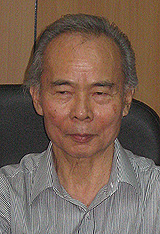 Simon Sipaun (
left
), former vice-chair of the National Human Rights Commission told Malaysiakini that members of the Geneva-based international organisation tend to paint a rosy picture of their own country’s human rights situation, regardless of reality.
Simon Sipaun (
left
), former vice-chair of the National Human Rights Commission told Malaysiakini that members of the Geneva-based international organisation tend to paint a rosy picture of their own country’s human rights situation, regardless of reality.
“They practice what we call, ‘I scratch your back, you scratch my back’,” said the Sabahan, an original member of Suhakam, founded 11 years ago.
“Frankly, if you listen to the debates among those nation-states on the issue of human rights, you will forget that you are in the UN Human Rights Council,” he added.
On May 5, the 40-member NGO coalition for an Effective Human Rights Council submitted a letter to the UN General Assembly expressing ‘serious concerns’ regarding Malaysia’s re-election into the body, questioning the country’s dismal human rights record.
The election for the 2010-2012 term takes place today, with other Asian countries like Iran, Maldives, Qatar and Thailand in the running.
Malaysia hopes to serve a second term on the 47-member council . She has been a member since 2006.
‘NGOs lack effectiveness’
Meanwhile, Sipaun said NGOs lack effectiveness in their campaigns against human rights violators at the Council level, often considered ‘troublemakers’ or ‘nuisances’ by member-states.
Their motives are also often questioned.
“NGOs also have their own agenda (as well), as they are financed externally (with foreign funding); the more noise they make, the more funds they are able to get,” said Sipaun.
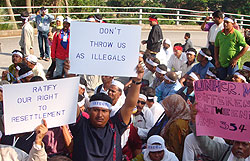 “If they are quiet, they will not receive any funding….governments have their own politics, so do the NGOs,” he added.
Sipaun, who has held various senior positions in the Sabah state civil service, feels that it is actually more beneficial for Malaysia to be in the Council than not.
“We can at least make them accountable for their actions, let the issues raised about Malaysia’s human rights record prick their (the government’s) conscience,” he explained.
“If they stay outside (of the council), they will not hear about these issues and they will soon forget about it. But if they are members of the club, they need to pay attention and they need to respond,” he added.


