




Tasik Chini will die by 2030, warns TI-M
Transparency International-Malaysia (TI-M) has warned that Tasik Chini, the country’s only UNESCO biosphere, would face an ecological collapse by 2030 if mining and logging activities close to the lake continues unabated.
Transparency International-Malaysia (TI-M) has warned that Tasik Chini, the country’s only UNESCO biosphere, would face an ecological collapse by 2030 if mining and logging activities close to the lake continues unabated.
 According to TI-M secretary-general Josie M Fernandez, her group’s research on the area had concluded that
500 people in six villages
within the Tasik Chini vicinity, mostly from the Jakun tribe, would be adversely affected if the situation is not reversed.
According to TI-M secretary-general Josie M Fernandez, her group’s research on the area had concluded that
500 people in six villages
within the Tasik Chini vicinity, mostly from the Jakun tribe, would be adversely affected if the situation is not reversed.
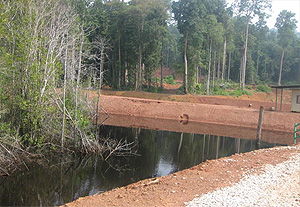
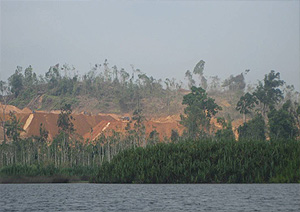
“The situation on the ground is getting worse. We were there last Sunday, and we saw devastation, we saw forest areas cleared.
“The mining waste was washed into the lake, causing pollution… At this rate, we believe Tasik Chini will die by 2030,” said Fernandez when contacted yesterday.
Tasik Chini is Malaysia’s second largest natural freshwater lake, located 100km south-east of Kuantan. It is also located within Prime Minister Najib Abdul Razak’s parliamentary constituency of Pekan.
Fragmented enforcement
Fernandez said that there was a lack of enforcement activities by the state government and environmental protection agencies, compounded by a general disregard of the health of Tasik Chini’s residence.
“Is the state government monitoring what is happening around the area? Who is responsible for granting the mining and logging licenses?
“Was there an environmental impact assessment or stakeholder consultations prior to issuance of these licenses?” she asked.
 Fernandez said TI-M has attempted in vain to schedule appointments with Pahang Menteri Besar Adnan Yaakob while the police reports by Tasik Chini’s residents against the mining companies appeared to have been ignored.
She lamented that environmental governance in Malaysia is highly fragmented and there was a lack of coordination among several federal and state level agencies, contributing to Tasik Chini’s decline.
“Tasik Chini is the landscape of this fragmented governance. It is symbolic of the collective failure of institutions involved in management of the lake ecosystem, and protection of the community,” she said.
New campaign
On Sunday, TI-M had officially launched its Save Tasik Chini campaign in an effort to cease the mining and logging activities in the area.
In line with the campaign, TI-M will increase engagement with the local authorities. It will meet with Pekan district and Pahang state government representatives to request for information on the EIA reports, as well as the issuance of licenses to the mining and logging companies.
It will also meet with the Malaysian Anti-Corruption Commission(MACC) to find out if these licenses were issued through open tender.
Further, TI-M will organise road shows and forums with the Pahang community to raise awareness of the issue, as well as a nationwide petition aimed at gaining support. It also plans to form an expert panel to provide advice on immediate measures to restore the lake.


Are you sure you want to delete this comment?
This action cannot be undone.