




Why aren't cigarette taxes working?
Taxes on tobacco have gone up, up, up, and so has the volume of illegal cigarettes, according to the legal cigarette companies.
Tiger wonders whether the government is being too soft when it comes to tobacco control and asks if the figures for the size of the illegal market are correct.
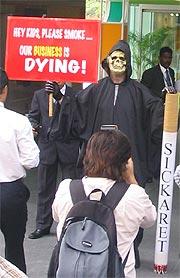 So the grumbling in the corporate jungle is that smokers will have to fork out another 30 sen for their pack of 20 ciggies.
It might be even more by the end of the year if the Budget deems it necessary to add a hefty duty hike as industry analysts predict.
What's a dedicated smoker to do? Some will grudgingly fork out the money, a small few will decide they've had enough and would like to see their grandchildren graduate - and a number will turn to the very much cheaper illicit cigarettes.
According to Japan Tobacco International (JTI), Malaysia has the second-highest numbers for illegal cigarettes in the world. The numbers though are a bit of a quagmire. The legal tobacco industry tossed around a figure of 34.5% for the entire market share for illegal cigarettes.
Nevertheless, these are merely estimates, and Tiger says we must bear in mind that the original sources for much of the information currently disseminated are the tobacco companies themselves.
So have the tobacco companies been crying wolf to get the authorities to take a lenient view on taxes?
In Malaysia, most of the smuggled cigarettes involve counterfeit and non-branded sticks, not the established brands.
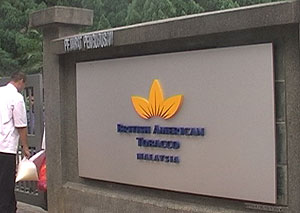 Smuggled cigarettes may actually profit tobacco manufacturers if it is their products which are being smuggled. Both JTI and British American Tobacco (BAT) have been implicated in cross-border smuggling, although BAT was later cleared of the allegation.
The counterfeit and non-branded sticks were reportedly churned out by our friendly neighbour Indonesia, and they come at a fraction of the price of a legal pack: RM3.50 to Dunhill's RM10.50 a pack.
These illicit cigarettes are the ones making everyone lose out - the tobacco players lose or stagnate in volume, the government loses a cool couple of billion in excise tax (according to BAT in 2011 anyway) and more people smoke cheap cigs of dubious quality as its prevalence spreads.
From a socio-economic point-of-view, it's difficult to see any drawbacks to raising prices on cigarettes.
It's also a little shocking when you realise that an industry that the World Health Organisation deems detrimental to public health and is dedicated to stamping out, is also one that rakes in multiple billions of ringgit a year.
The main worry shouldn't be that the tobacco companies' profits are hurting because of illegal cigarettes; it should be what more can be done to regulate the tobacco sector?
Go to KiniBiz for more .
This article was written by Samantha Joseph.


Are you sure you want to delete this comment?
This action cannot be undone.