



Involve the folk in deciding budget allocations, urges rep
It is usually assumed that the ordinary folk are not interested in discussing public affairs, including budget allocations for their constituencies.
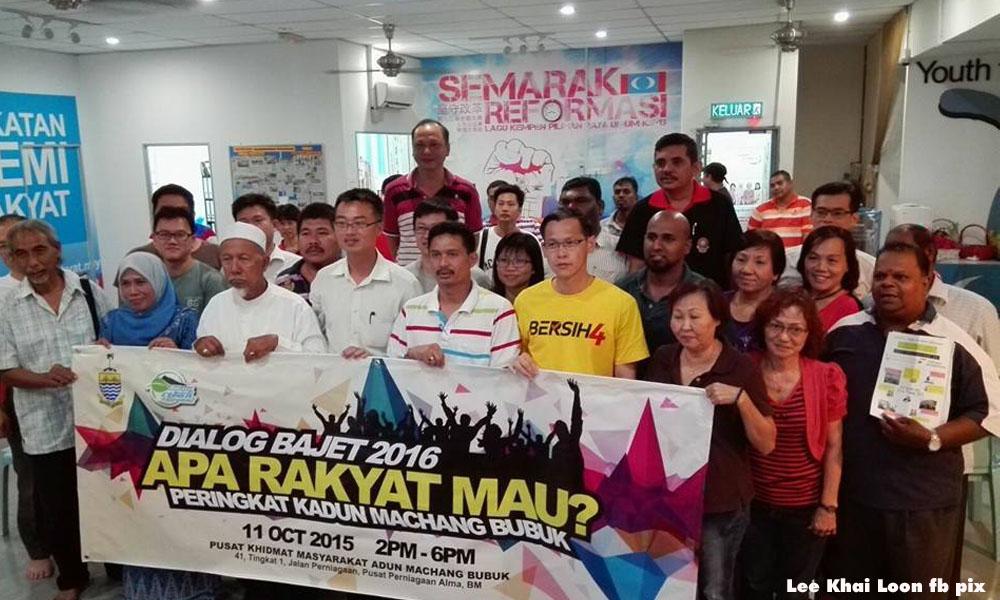
However, a first-ever dialogue organised by PKR’s Machang Bubuk assemblyperson Lee Khai Loon at his service centre in Alma, Bukit Mertajam, last Sunday, drew about 50 representatives from NGOs, professionals, local leaders and local residents.
It is usually assumed that the ordinary folk are not interested in discussing public affairs, including budget allocations for their constituencies.
However, a first-ever dialogue organised by PKR’s Machang Bubuk assemblyperson Lee Khai Loon at his service centre in Alma, Bukit Mertajam, last Sunday, drew about 50 representatives from NGOs, professionals, local leaders and local residents.
“Not many people are aware and wonder what does the budget have to do with us? In reality, citizens have rights and obligation to participate in the resource distribution, management and building of community,” Lee told Malaysiakini .
"Therefore, I hope the people can speak up and give their suggestions actively during such dialogues, including reminding lawmakers on the issues they might have overlooked, or those that require attention.
“I hope that, in the coming days, the preparation of the budget can consist more elements of public involvement, to really help the government to put its CAT (competency, accountability and transparency) slogan into practice,” Lee ( photo ) said.
Since becoming the Machang Bubok assemblyman in 2013, Lee has been actively advocating the concept of participatory democracy in his constituency.
He first formed a community concern group for flood mitigation, and worked with NGOs and DAP’s Bukit Mertajam MP Steven Sim to run a first ever Gender Responsive and Participatory Budgeting project at the Village Development and Security Committee (JKKK) level.
By convention, the government budget is always prepared by the executive and only open for debate by the lawmakers after it is tabled to the legislature.
The question is, do the elected representatives listen to their constituents before drafting their debate speech?
10 areas needing attention identified
“I hope to gather public opinion via brainstorming and dialogue sessions that allow voters to play an active role in helping state representatives submit questions to the state legislative assembly or prepare debate speeches that can reflect the people’s demands,” Lee said.
During the dialogue with Lee, participants had identified 10 areas or issues that needed attention by the authorities.
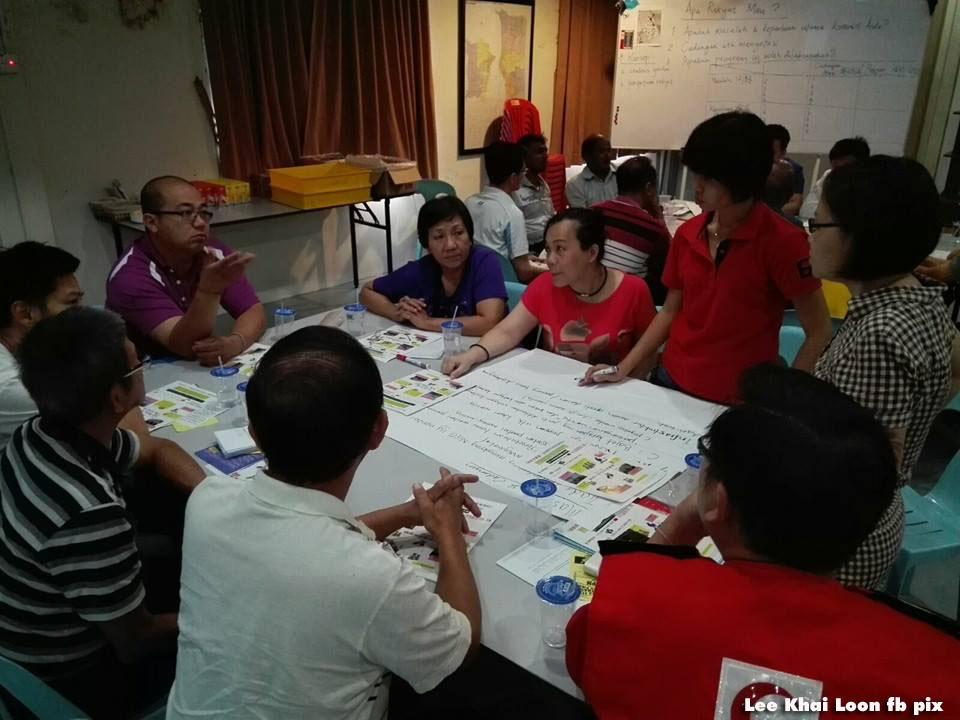 They are flood mitigation, community security, traffic management, public and recreational facilities, cleanliness and green environment, development of women, children and family, institutionalised funding for NGOs, economic opportunities for the community, handling social and enforcement problems, housing rights and land issues.
Lee said these issues would be addressed in three ways. One would be to include them in the state assembly’s list of questions, and raised during the state’s budget debate.
These issues will also be submitted to the relevant government departments for further action.
"Through the dialogue, the voters can get to know more about how governments formulate policies and the budget,” Lee said.
“For example, the residents now realise flood mitigation needs a huge sum of allocation, and why Chief Minister Lim Guan Eng has again requested the federal government to approve allocation for this item under the 11th Malaysia Plan,” he added.
Lee expressed hope that the people would be given the chance to dialogue with the local councils before their annual budget is drafted.
Currently, local councils like the Seberang Perai Municipal Council invite certain stakeholders to share their views on the annual budget allocation.
Lee also urged the state government to equip the people with sufficient facts and information, so that they could really understand the budget.
“The budget document is quite thick and complicated, with coding that can hardly be understood by ordinary citizens who are not civil servants,” Lee lamented.
NGO Suaram Penang secretariat member Ong Jing Cheng ( photo ) applauded Lee’s attempt to hold the dialogue session, which is the first of it kind.
“The people as ‘taukeh’ have the right to understand how the government distributes its resources via budgeting, and how much is the state’s revenue, administrative and development expenditures,” Ong said.
“The general public should proactively participate in any consultation or dialogue session to discuss the government budget, because when we talk about budget, we are actually discussing the government policies."


Are you sure you want to delete this comment?
This action cannot be undone.