


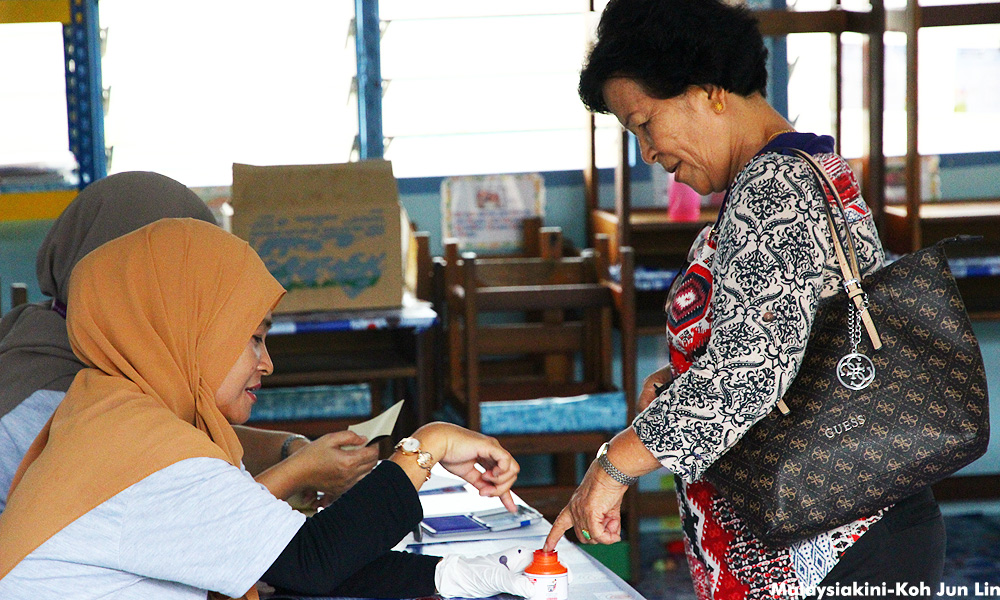

Fatigue caused by bickering opposition may impact twin polls
Years of bickering among opposition parties have caused political fatigue among voters, according to a researcher, who said this in turn is causing a low turnout at the elections.
Institut Darul Ehsan researcher Hamdan Salleh warned that the trend might continue in the coming Sungai Besar and Kuala Kangsar by-elections, and even in the next general election.
“There will be political fatigue, and this will be reflected in the two by-elections if this continues,” Hamdan told a forum organised by the institute in Kuala Lumpur last night.
Years of bickering among opposition parties have caused political fatigue among voters, according to a researcher, who said this in turn is causing a low turnout at the elections.
Institut Darul Ehsan researcher Hamdan Salleh warned that the trend might continue in the coming Sungai Besar and Kuala Kangsar by-elections, and even in the next general election.
“There will be political fatigue, and this will be reflected in the two by-elections if this continues,” Hamdan told a forum organised by the institute in Kuala Lumpur last night.
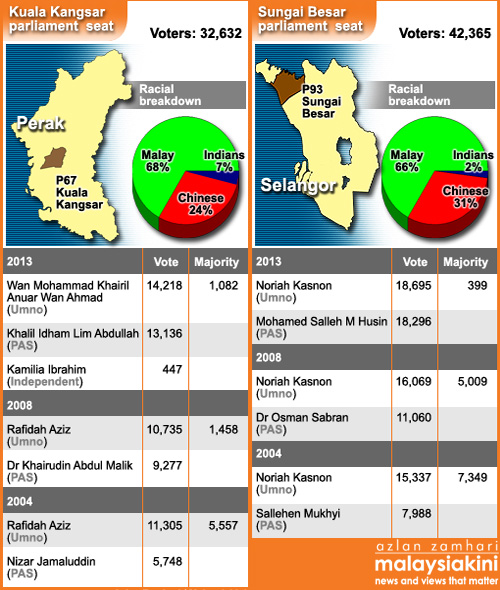 The two by-elections will take place on June 18, while the 14th general election needs to be called by mid-2018.
Hamdan explained that there were signs of such fatigue during the Sarawak election that took place on May 7 – in the form of the lower turnout from some communities.
Historically, he said, trends that first started out in Sarawak would be reflected in subsequent elections in the peninsula, including what became the 2008 ‘political tsunami’.
“For the past two, three years, there have still been conflicts. In Sarawak, the opposition has again failed to show a concerted effort; unity is not there.
“If this continues, there will be a huge impact on the next election – the GE14. What happens in Sarawak will have an impact in the next general election. It is not the other way around,” he argued.
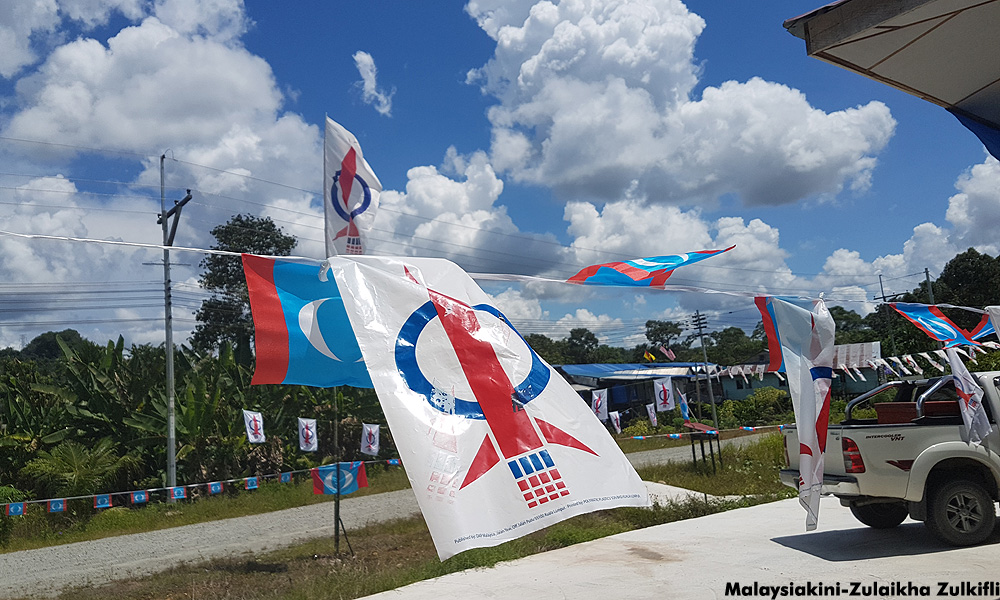 The opposition’s campaign in the Sarawak state election was marred by infighting between DAP and PKR, as the two parties argued in the open over six overlapping seat claims.
Their media releases and news conferences on how the other failed to live up to its end of the bargain dominated headlines for the first few days of the two-week campaign period.
The overall turnout rate was at 70 percent – about the same as the previous state election in 2011.
However, according to an estimate by Ipek University political science professor Bridget Welsh, which Hamdan quoted, only the Orang Ulu communities came out in droves to vote.
The turnout rates of the other ethnic groups saw a fall, ranging from 1.9 percent to 5.9 percent.
Government-in-waiting
Hamdan said the opposition parties need to present themselves as a government-in-waiting rather than just a party that opposes.
“The opposition needs to address this, apart from all these (issues) like money politics, development and so on.
“The unity must be there; you have to create a perception that there is a chance – this is the government-in-waiting, this is the opposition, and not (merely) ‘pembangkang’.
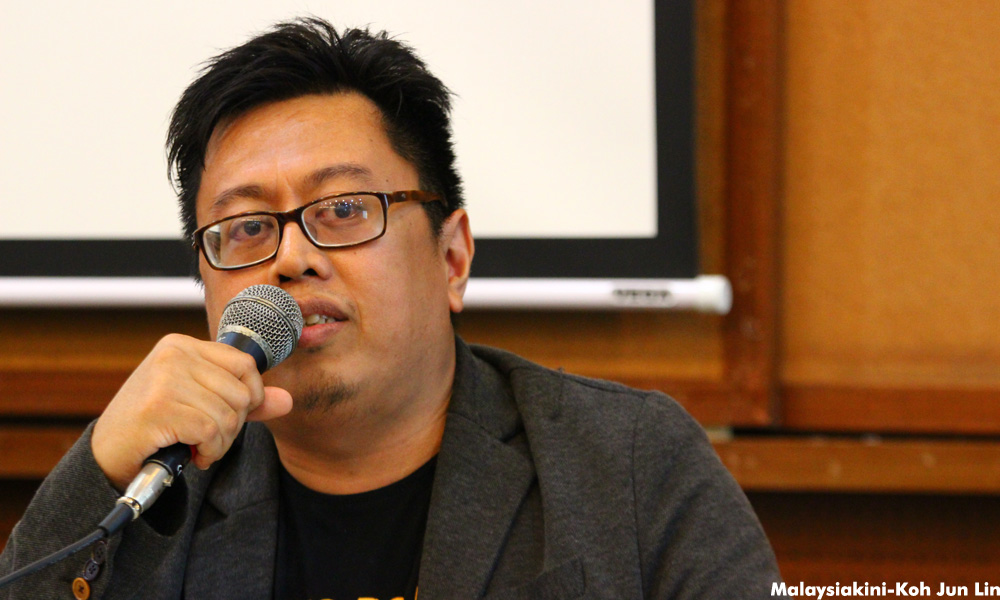 “If this trend continues, the conflicts continue, the unthinkable will happen,” added Hamdan (photo), who is also dean at Unisel’s Foundation and General Studies.
Meanwhile, Sarawak PKR chief Baru Bian told the forum that he has no issues with his DAP counterpart Chong Chieng Jen or anyone else in DAP, despite the overlapping seat claims.
Responding to a question on whether he and Chong could reconcile, Baru said he met the DAP leader before nomination but declined to disclose what transpired at the meeting.
“The bottom-line is this: For me, as state leadership committee chairperson of Sarawak, I am open to Chong at any time. I have no problem with him.
“For the coming general election, I think we should plan earlier on seat negotiations... We will be talking on this matter. We are aware the rakyat want to see a united front,” Baru said.


