


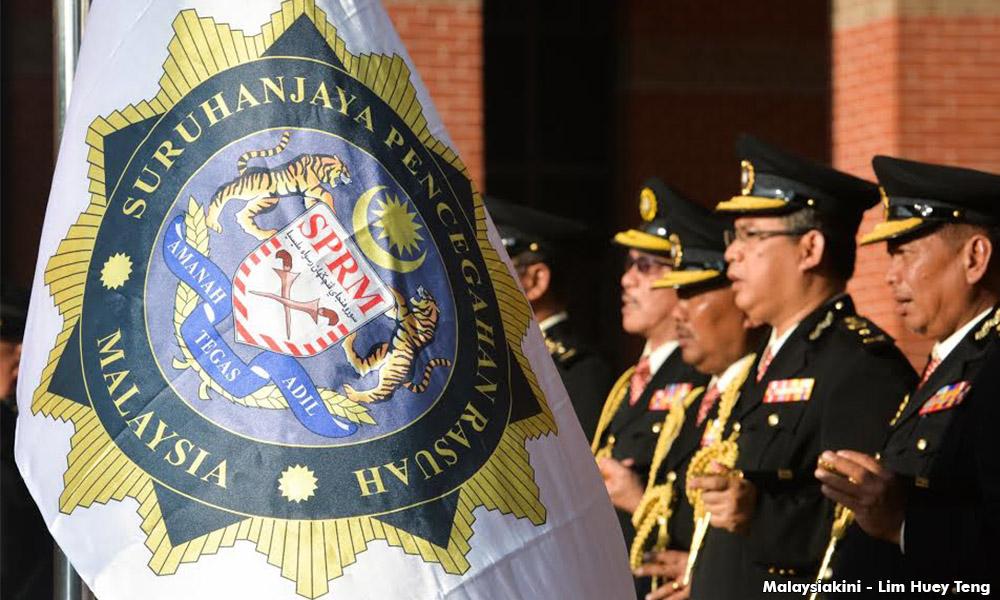

MACC out to freeze, seize, and forfeit ill-gotten wealth
Stern measures including freezing, confiscating and forfeiting properties acquired by corrupt practices and abuse of power, will be enforced more aggressively to combat corruption in the country.
The new Malaysian Anti-Corruption Commission (MACC) chief commissioner, Dzulkifli Ahmad, said the actions would be carried out by using its existing enforcement power and capabilities.
"We have the Malaysian Anti-Corruption Commission Act 2009, the Anti-Money Laundering Act (AMLA), Anti-Terrorism Financing and Proceeds of Unlawful Activities Act 2001," he said in an exclusive interview with Bernama yesterday.
"In my view, the main factor driving the growing corruption is greed among those vested with power and position.
"The motivation for them to get involved in corruption is to acquire property and money, so MACC will ensure whatever acquisitions made illegally will be frozen, seized by and forfeited to the government, as well as bringing the guilty to court," he said.
Dzulkifli said to ensure the action was more effective, the freezing of properties could be carried out even if the person was just a suspect and the case was still under investigation.
"While the case was under investigation, the properties owned by the individual under investigation could be frozen based on the various acts. This is because we do not want them to dispose them.”
Reasonable grounds
He said based on the provisions of the MACC Act, the property of a suspect could be frozen up to 90 days and if there were reasonable grounds, it could be extended by nine months more.
While under AMLA, properties believed to be acquired from corruption and abuse of power, could be frozen up to 18 months.
"If we find it is a strong criminal case, we will press charges in court and at the same time the properties would become the subject matter of the charge and if the court decides so, the properties of the accused would be forfeited," he said.
Dzulkifli said the move to freeze properties was not limited to properties owned by the corrupt suspect but also to properties transferred to the accused's family members, if it was believed it was acquired with income corruption and abuse of power.
At the same time, he said those who allowed their names to be used by the corruption suspect to hide assets acquired through corruption and abuse of power practices, would not be spared.
This was because he said the jail sentence was insufficient punishment if the accused had acquired thousands or even millions of ringgit, and could still own the properties after serving their jail sentence.
Dzulkifli said it was hoped the move to forfeit the rights of properties would be a deterrent to anyone, especially civil servants, from engaging in corruption and abuse of power based on the high risk involved.
Dzulkifli said apart from the serious action against bribe recipients, actions would also be taken against bribe givers especially the syndicated givers.
"Syndicated givers usually offer bribes so that no enforcement action is taken. So in this situation, we shall take action not only against the recipient but also the giver, through other acts including the Customs Act or the Inland Revenue Board Act (LHDN)," he said.
Dzulkifli said in implementing the move, MACC would be more proactive and not wait for a report to be lodged against the corrupt offender to enforce its preventive measures.
"Actually, we already have information on the various civil servants or those involved with government agencies who live beyond their means, and it is just a matter of time for action," he said.
In fact, he said, MACC also kept profiles of individuals convicted of corruption and had served their jail sentences.
On the level of corruption in the country, Dzulkifli described Malaysia as not as bad as other countries but he was worried corruption could become accepted as a norm which the country could ill afford.
- Bernama


Are you sure you want to delete this comment?
This action cannot be undone.