


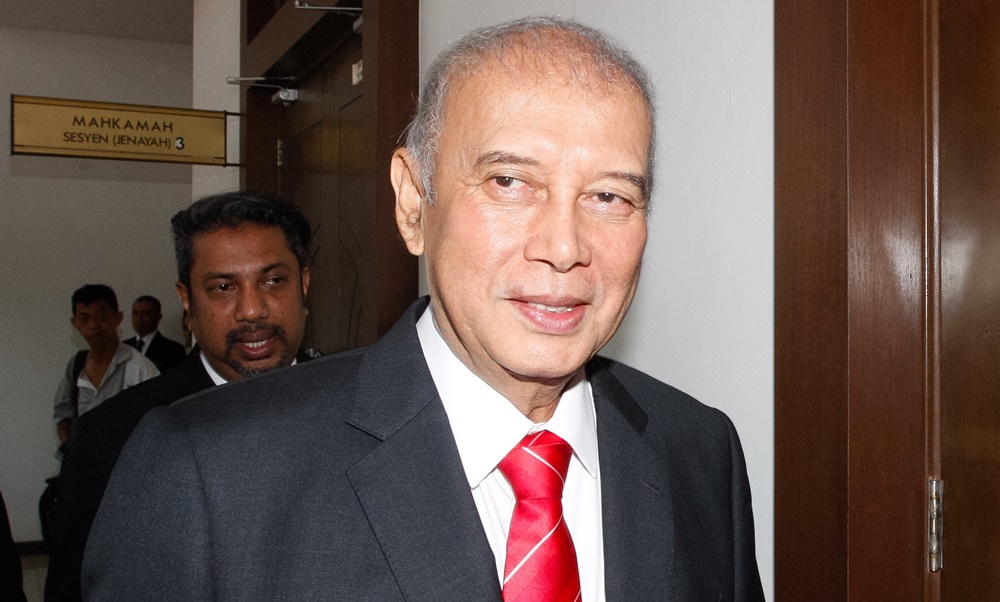

Why was ex-Malacca CM only fined RM1,900?
Former Malacca chief minister Rahim Thamby Chik Tuesday became the latest individual to be convicted under the Communications and Multimedia Act 1998 (CMA) for posting negative comments on the social media.
Eleven months after he first pleaded not guilty, Rahim was slapped with a fine of RM1,900 for making offending comments against Selangor Crown Prince Tengku Amir Shah last year.
This is the lightest punishment dealt out in the 12 reported convictions under Section 233 of the CMA since 2009, with other sentences ranging from RM10,000 to as high as RM50,000, or one year's jail.
Former Malacca chief minister Rahim Thamby Chik Tuesday became the latest individual to be convicted under the Communications and Multimedia Act 1998 (CMA) for posting negative comments on the social media.
Eleven months after he first pleaded not guilty, Rahim was slapped with a fine of RM1,900 for making offending comments against Selangor Crown Prince Tengku Amir Shah last year.
This is the lightest punishment dealt out in the 12 reported convictions under Section 233 of the CMA since 2009, with other sentences ranging from RM10,000 to as high as RM50,000, or one year's jail.
Just four months earlier, 19-year-old Muhammad Amirul Azwan Mohd Shakri, who pleaded guilty to insulting the Johor Crown Prince Tunku Ismail Sultan Ibrahim, was jailed for one year.
The appeal against the sentencing by Amirul’s parents resulted in him being given an even longer sentence of three years in a reform school.
Questions linger then as to why Rahim was given only what some would call a slap on the wrist.
Explaining how judges decide on sentences in general, Lawyers For Liberty executive director Eric Paulsen said that this was up to their own discretion, but that it must be exercised judiciously.
Paulsen said judges would take mitigating factors into consideration, such as whether this was their first offence; the severity of the crime; and whether they pleaded guilty or the matter went to full trial.
"Generally, if you plead guilty, you should get a much lower sentence," he told Malaysiakini.
In Rahim's case, the law activist said it could be due to his status as a former chief minister and having access to legal representation, as compared to others who may not.
Lawyer Syahredzan Johan added that the judge may have also taken into consideration Rahim's contributions to society.
"But you could also argue that, as a former chief minister, Rahim should have known better," Syahredzan said.
Sentencing guidelines for judges to refer?
The punishment meted out to Rahim, he noted, may help others who are appealing their convictions, such as Amirul, in seeking lighter sentences.
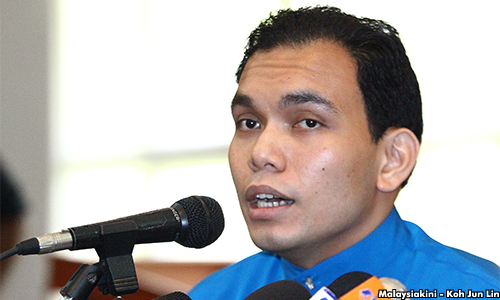 Syahredzan (photo) added that to address discrepancies in sentencing, Malaysia should study the possibility of introducing sentencing guidelines for judges to refer to.
Paulsen noted that the government has been playing up the severity of social media offences over the years, and public prosecutors have been asking for harsher sentences.
"The government has built up social media offences as the most serious offence in the world.
"But at the end of the day, it's just a social media post, it's not a serious crime such as robbery, rape, or murder."
While data on sentencing for CMA cases is inconclusive, statistics on charges do indicate that the government is taking more action against comments on the social media.
There have been many investigations under the CMA over the past 10 years with a surge of charges filed last year.
Besides Rahim, seven other people were charged under the Act last year.
This includes PSM activist Khalid Ismath, who was slapped with 11 charges under Section 233 of the CMA for social media postings critical of the Johor royalty.
Another person, Wan Fatul Johari, was sentenced to 30 months in prison last year, after failing to pay RM120,000 in fines for three charges under the Act. It is not clear when he was first charged.
Meanwhile, two others including PSM’s S Arutchelvan were charged over comments criticising the courts for the jailing of former opposition leader Anwar Ibrahim.
A third person, former law minister Zaid Ibrahim, was charged over asking Prime Minister Najib Abdul Razak to step down.
Most of the charges and on-going investigations under the CMA involve social media posts that are allegedly offensive to the royalty.
Under Section 233 of the CMA, one can be fined not more than RM50,000 or jailed not more than one year, or both.


