


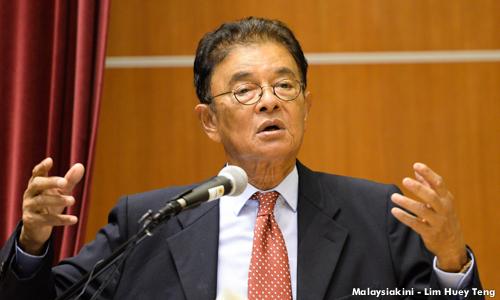

Suhakam: No human rights where corruption is part of landscape
Human rights cannot thrive if corruption becomes an accepted part of the national landscape, Human Rights Commission (Suhakam) said today.
The commission was commenting on the arrest of top official from the Sabah Water Department, for allegedly misappropriating millions from federal funds earmarked for bringing clean water to the people of the state
Human rights cannot thrive if corruption becomes an accepted part of the national landscape, Human Rights Commission (Suhakam) said today.
The commission was commenting on the arrest of top official from the Sabah Water Department, for allegedly misappropriating millions from federal funds earmarked for bringing clean water to the people of the state.
"Corruption damages the society and institutional fabric of the country and Suhakam is perturbed that such events have taken place, giving the impression that there is an enabling environment that allows for it to happen.
"As such, there must be clearly defined institutional mandates that build accountability into the entire system of water governance," said Suhakam chairperson Razali Ismail.
The commission applauded the timely action by the Malaysian Anti-Corruption Commission (MACC), saying that such arrests would strengthen public confidence in the country's anti-corruption efforts and help to increases public trust and confidence.
It noted that fighting corruption is at the core of the sustainable development goals (SDGs) and placing human rights accountability at the heart of the SDGs is crucial in ensuring that the commitments made by Malaysia at the international level are honoured in practice.
Meanwhile, in a separate statement, Suhakam also noted that the laws and policies on women's rights in Malaysia are still lacking, despite its commitment to the Convention on the Elimination of All Forms of Discrimination against Women (Cedaw).
As such, it urged the government to ensure equality for women and eliminate discrimination against them by withdrawing the remaining reservations to the convention and accede to its optional protocols.


