



PSM slams 'weak' MTUC over support for TPPA
Parti Sosialis Malaysia (PSM) has slammed the Malaysian Trades Union Congress (MTUC) for welcoming the Trans-Pacific Partnership Agreement (TPPA), accusing the congress of being "weak" and abandoning the plight of workers.
In an interview with Malaysiakini previously, MTUC secretary-general N Gopal Kishnam said that they welcome the TPPA for one of its mandatory requirements was for labour reforms.
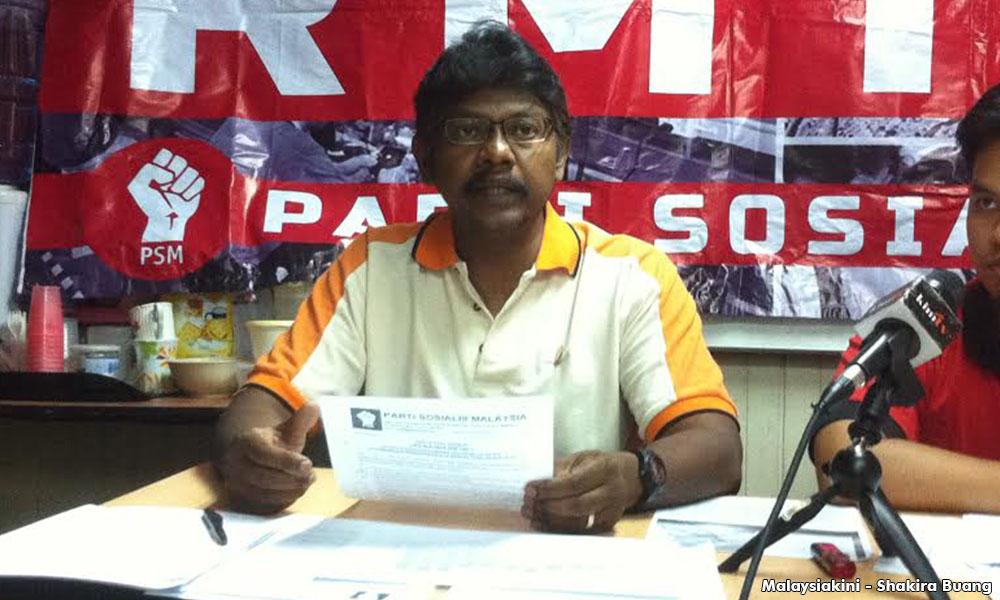
"Welcoming trade reforms via the TPPA, undoubtedly proves how weak the MTUC is. Seems this arm-chair unionists are not willing to fight and campaign for workers but prefer to take the short cut," said PSM secretary-general A Sivarajan.
Parti Sosialis Malaysia (PSM) has slammed the Malaysian Trades Union Congress (MTUC) for welcoming the Trans-Pacific Partnership Agreement (TPPA), accusing the congress of being "weak" and abandoning the plight of workers.
In an interview with Malaysiakini previously, MTUC secretary-general N Gopal Kishnam said that they welcome the TPPA for one of its mandatory requirements was for labour reforms.
"Welcoming trade reforms via the TPPA, undoubtedly proves how weak the MTUC is. Seems this arm-chair unionists are not willing to fight and campaign for workers but prefer to take the short cut," said PSM secretary-general A Sivarajan.
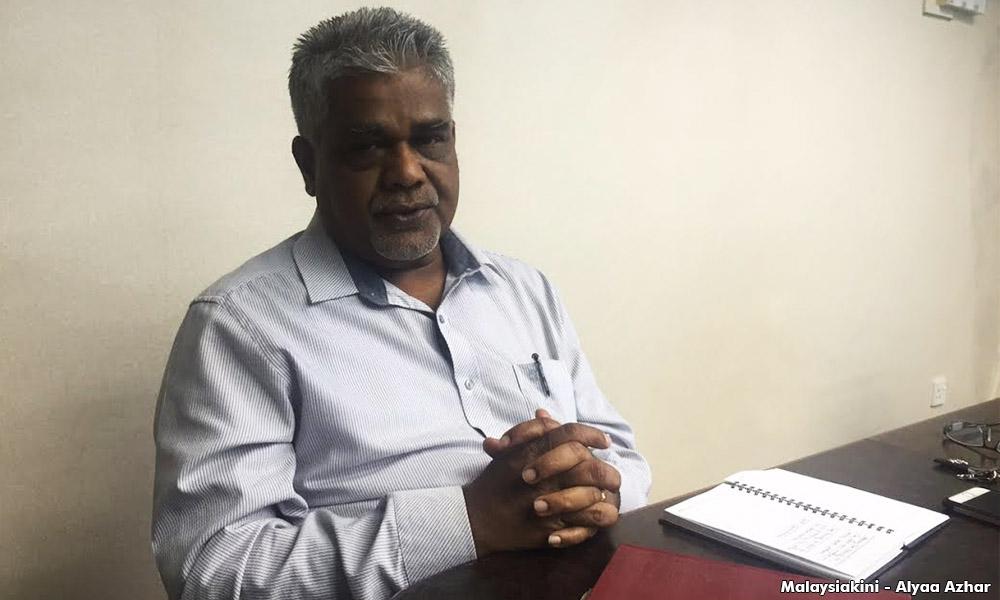 He lamented that despite meetings and forums held with Gopal (photo) and the MTUC on the negative implications on the TPPA, the labour leader seems ignorant of the larger agenda of the corporations to rob away the lives of the working class through the trade agreement.
"Gopal's comments unfortunately are typical of a unionist whom has bottled himself into trade union issues only. Does he not realise all those labour reforms can be executed by the Malaysian government even without the TPPA?
"It's only a matter of political will. If only MTUC persistently campaigned and struggled for those reforms," said Sivarajan.
He reiterated PSM's stand that TPPA is an attack on workers.
He argued that trade liberalisation will cause job losses when local SMEs unable to compete with tariff-free imports close down or cut cost. Most developing countries in trade deals with developed nations experience the same phenomenon.
"So, what benefit will better labour laws serve when the workers don't even have a job," concluded Sivarajan.
The TPPA is being staunchly opposed by labour activists, socialist and the opposition, though the government has denied their claims that the trade deal is bad for Malaysia and is pushing ahead with the matter.
The TPPA is a regional trade pact being spearheaded by the US, claiming that it will create a more prosperous market for all to dip into, though critics see it as an attempt to allow big business from the west to dominate Asia and give America an economic advantage over China.


