



K'tan's Temiar people in losing battle with loggers
Sadness. That is the only word that can describe the area being cleared by loggers within the Gua Musang forest reserve.
Although there are guarantees from the authorities that logging in the state is under control, reality on the ground is very different.
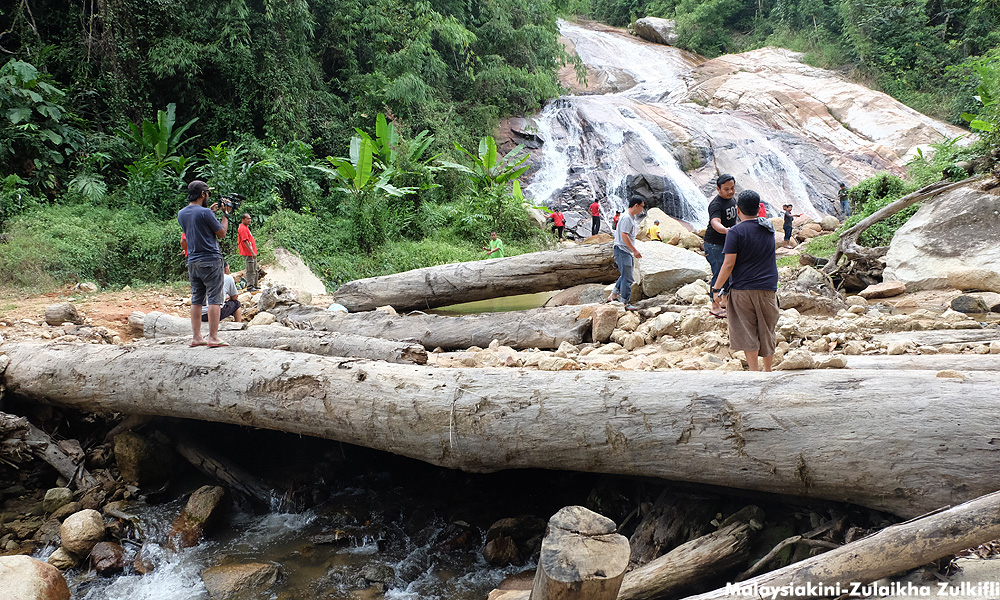
 Two weeks ago, this reporter accompanied several NGOs to the forest reserve - a 520km journey taking two days - to see first hand the effects of logging and the struggle by activists and the affected Orang Asli community.
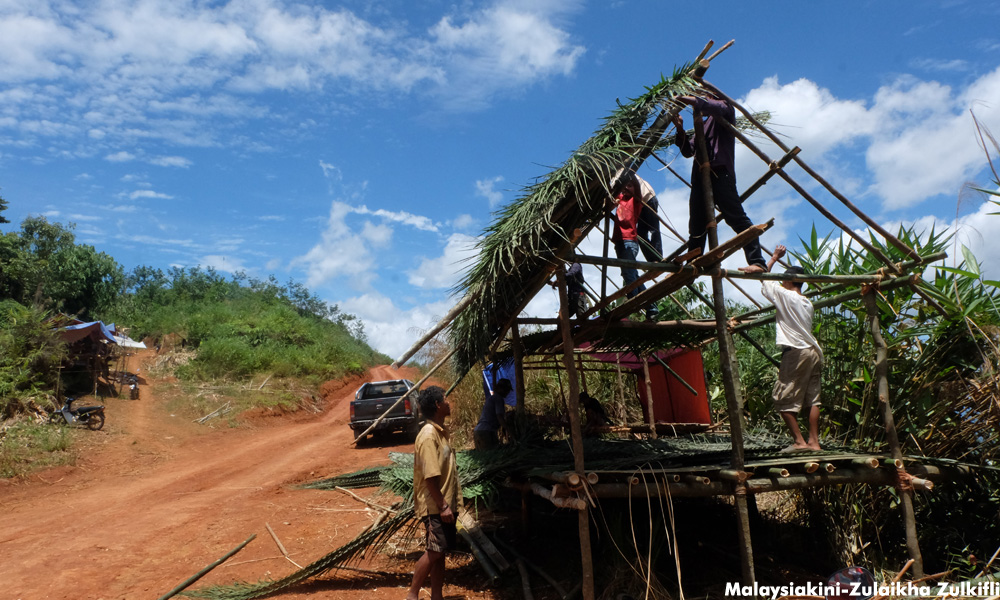
This remote area can only be accessed with four-wheel drive vehicles. Hidden from public attention is the palpable anger of the Temiar community, which has lost so much to logging.
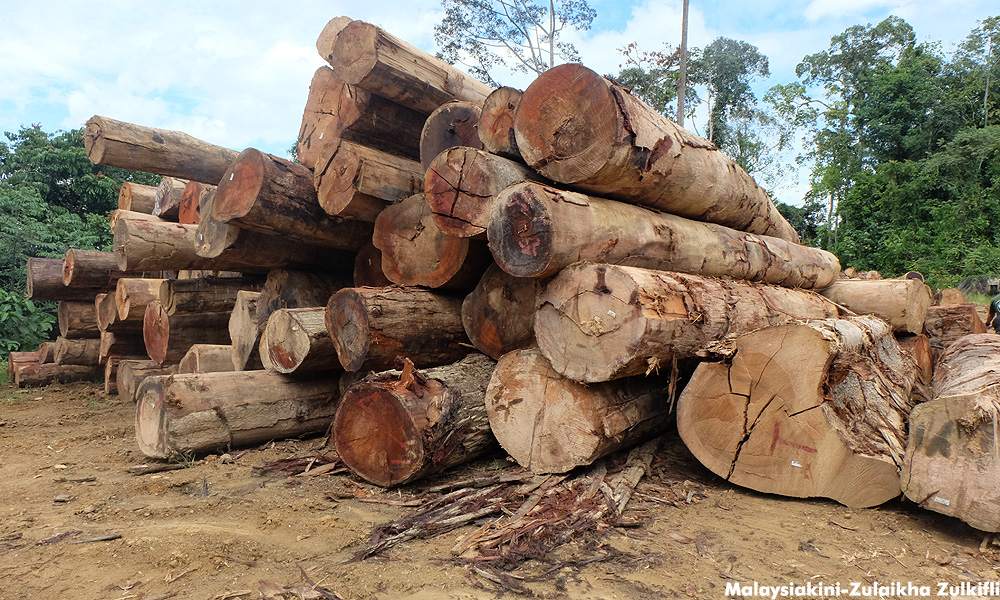
 Loggers here are licensed by the Kelantan government, but they face opposition from the Temiars who consider the area their ancestral land.
Logging takes place in other areas such as the Ulu Sat forest reserve in Machang, but the Temiar are among the most active in resisting the loggers, and with valid reasons.
Sadness. That is the only word that can describe the area being cleared by loggers within the Gua Musang forest reserve.
Although there are guarantees from the authorities that logging in the state is under control, reality on the ground is very different.
 Two weeks ago, this reporter accompanied several NGOs to the forest reserve - a 520km journey taking two days - to see first hand the effects of logging and the struggle by activists and the affected Orang Asli community.
This remote area can only be accessed with four-wheel drive vehicles. Hidden from public attention is the palpable anger of the Temiar community, which has lost so much to logging.
Loggers here are licensed by the Kelantan government, but they face opposition from the Temiars who consider the area their ancestral land.
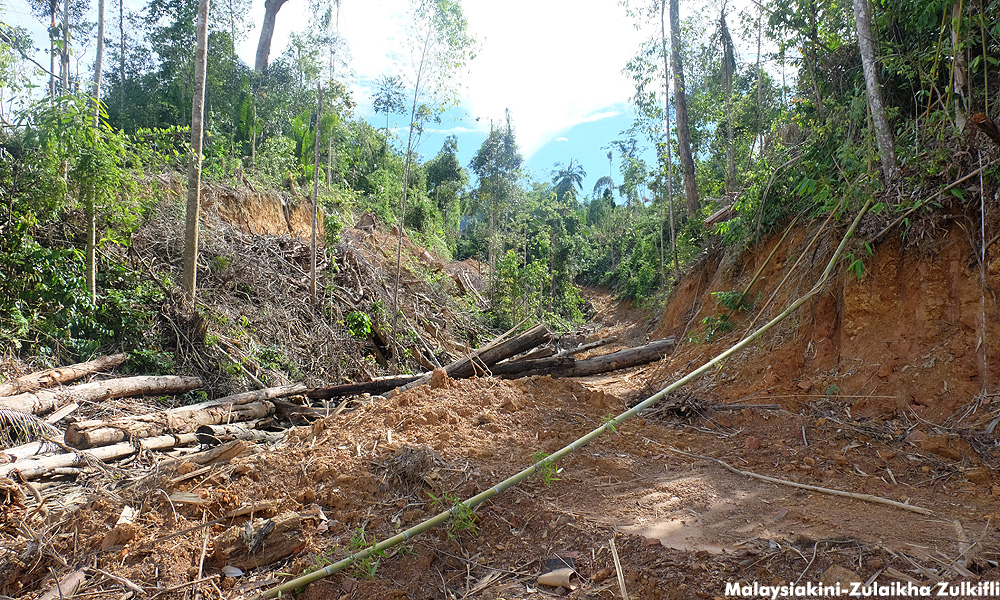 Logging takes place in other areas such as the Ulu Sat forest reserve in Machang, but the Temiar are among the most active in resisting the loggers, and with valid reasons.
Observations in Rondong, Pos Gob, part of the Kuala Balah forest reserve some 12 hours from Gua Musang, revealed possible breach of Forestry Department rules.
There was logging being carried out within 50m of Sungai Poyan.
This would also be in violation of the stipulations under the Environmental Impact Assessment report.
Graves destroyed
Locals told Malaysiakini that "rampant logging" had destroyed the source of water for 20 villages in the area.
"Logging has destroyed areas where we find herbs used for traditional medicines. These herbs are our main source of income.
 "Moreover, there are no longer fish in the river," said Yusman Andok, 35, a Pos Gob villager.
For the Temiar community, the forest is not just a home and a provider of subsistence. Logging has also destroyed a spiritual aspect of their lives.
"This land belongs to our ancestors. We worship the hills. This land is sacred to us," said Yusman.
In the Rondong area, licensed logging activities have destroyed Orang Asli cemeteries.
 Locals showed Malaysiakini one grave site that has been cleared by loggers.
There, one makeshift sign remains: "Tempat kubur Adik A/L Tengah. Kemusnahan syarikat pembalakan. Ayah - Tony bin Adik. Kawasan Rondong."
Poaching in forest reserve
During the visit, there were signs that wildlife were also victims of encroachment on the forest reserve.
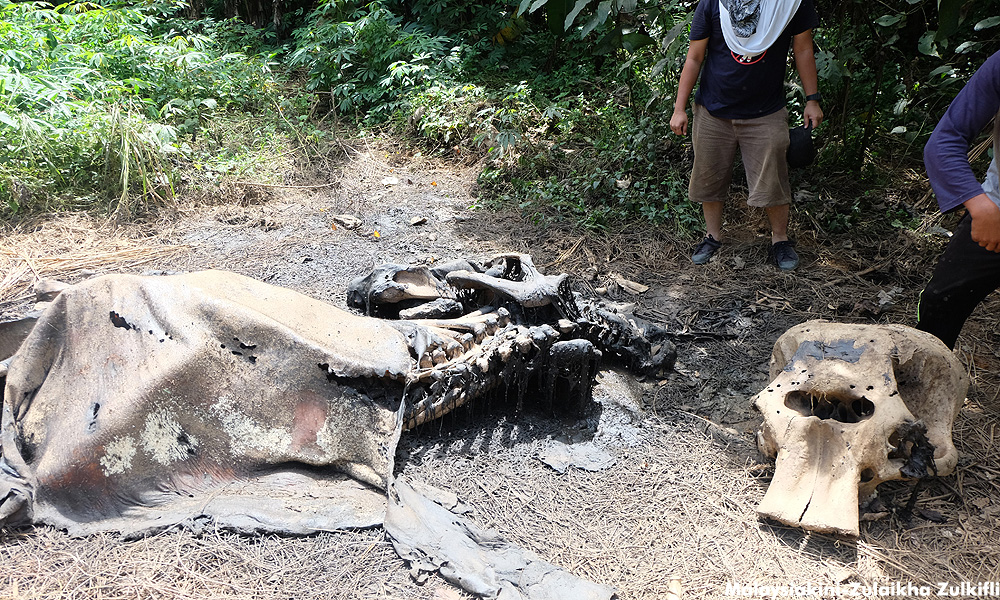
The local Temiar community showed the rotting carcass of an adult elephant within the forest near Pos Bering.
 The elephant's tusks had been removed and there were five bullet casings at the site.
The locals were quick to point out that they do not own firearms.
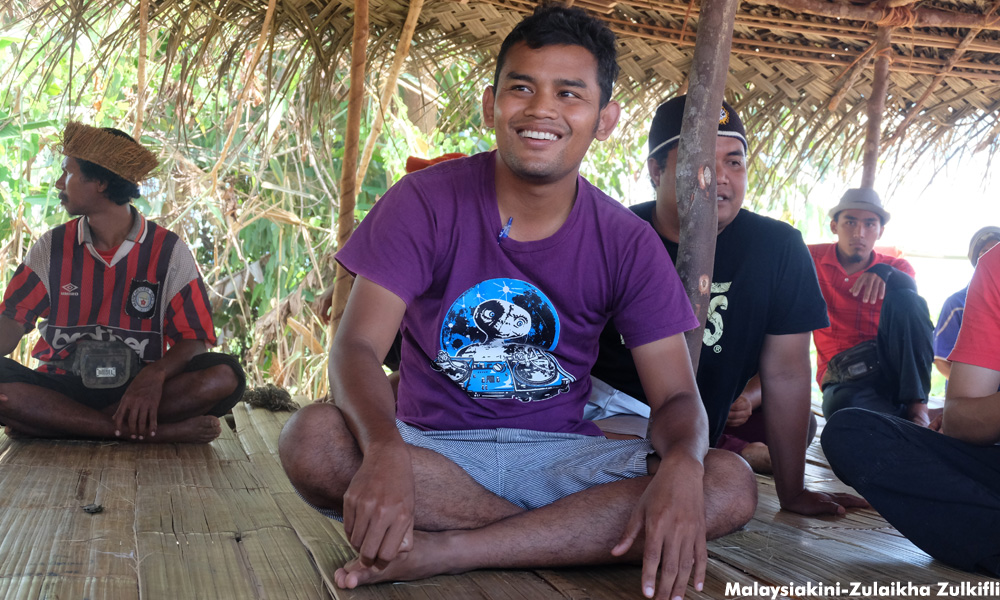
Mustafa Along, the leader of a group of Orang Asli who have erected a barricade at Pos Tohoi, told Malaysiakini that logging has disrupted nearly every area of their lives.
"After the loggers came, we lost our source of clean water. Our graves are destroyed and we have lost our income.
"This affects no one else but us," said Mustafa.


Report this comment
Are you sure you want to delete this comment?
This action cannot be undone.