
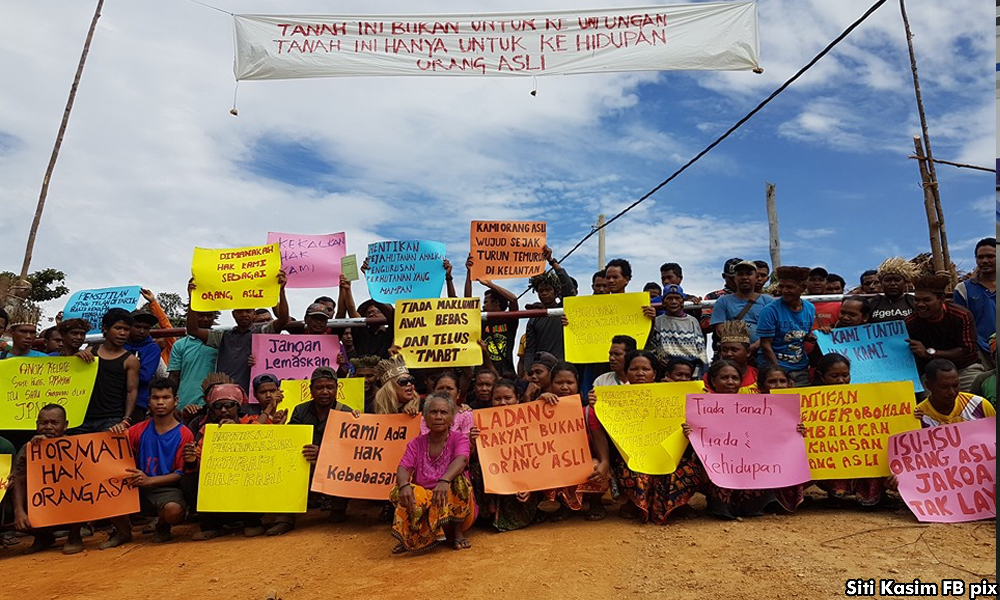
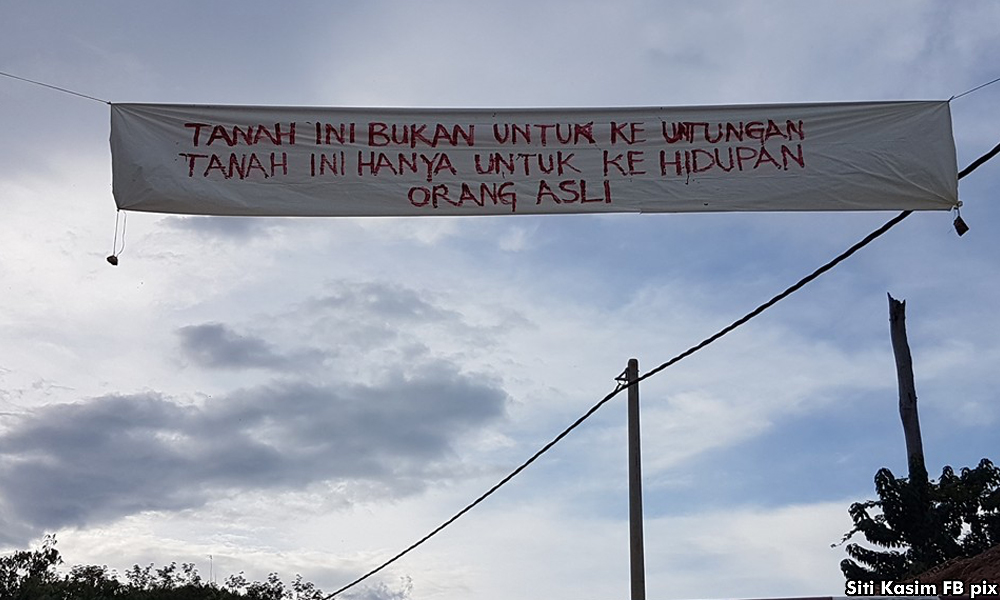
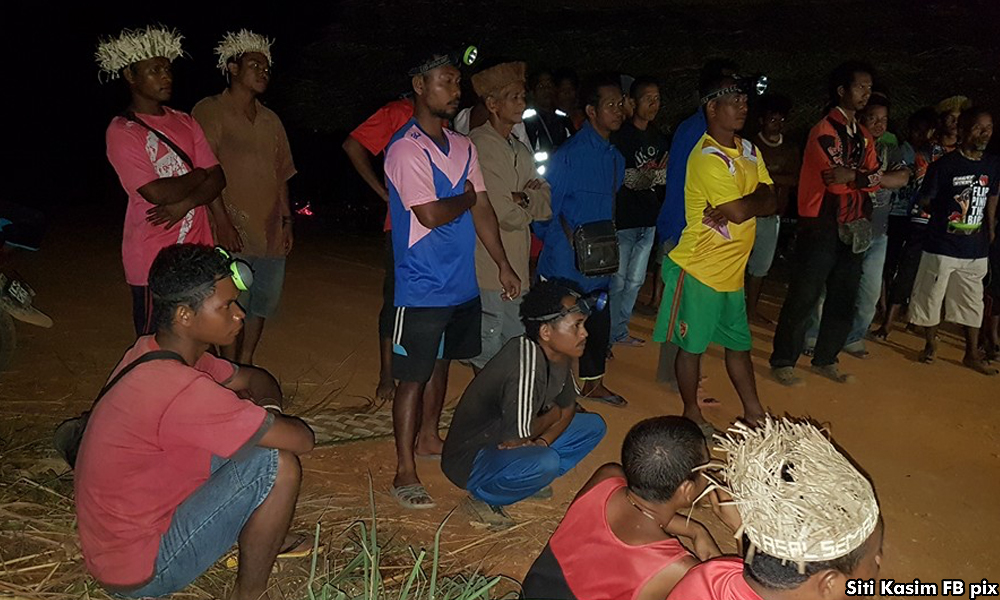
SPECIAL REPORT In September, the road leading into the Balah Permanent Forest Reserve in Gua Musang, Kelantan, become the subject of national headlines, after a group of Orang Asli from the Temiar tribe erected a blockade.

This was meant to stop loggers from transporting logs out of the forests around Pos Tohol.

The blockade created a standoff between the Orang Asli and employees of the company licensed to extract timber from the area, leading to attempts by the loggers to destroy the barricade.

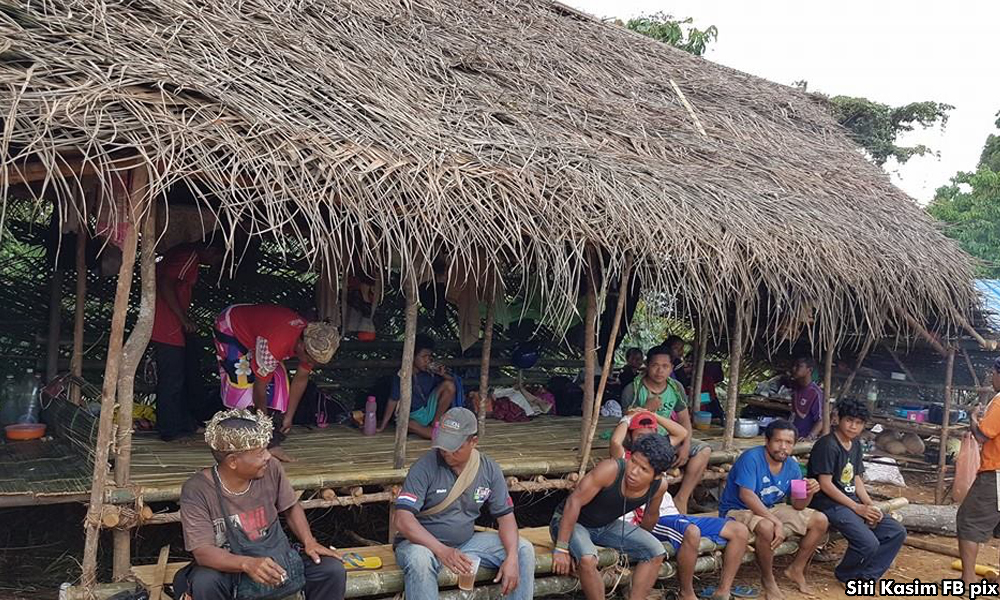
However after one month, the barricade still stands, with the area that was once only populated by a handful of Orang Asli being turned into an makeshift village with more than 200 inhabitants.

While there used to be several huts in the area, it now boasts nearly 20 units, with volunteers from surrounding Orang Asli villages using it as their temporary abode when taking turns to man the now reinforced barricade.

A red-and-white painted guard post, complete with a boom gate, was also erected to regulate vehicular traffic.

Those wanting to enter Pos Tohol must alight from their vehicles at the guard post situated at the Kampung Petei intersection, and register their names in a log book.

When Malaysiakini visited the "Barricade Village" two weeks ago, the Orang Asli volunteers said they were doing this out of their own volition, in order to protect and preserve the native forests and land, which are the legacy of their forefathers, from being destroyed by loggers.

Nearby, lining the road, there were also smaller huts constructed out of bamboo and thatched with nipah.

State's counter-blockade

Mustafa Along - who leads the community - said it was their duty to man the barricade till kingdom come, if need be, in order to defend the forest, which has been the lifeblood of the indigenous peoples since time immemorial.

But more than a physical barrier, Mustafa explained, the barricade is a symbolic gesture to force the Kelantan government to agree to come and meet with the Temiar community to discuss serious issues affecting their livelihood.

More so on the all-important issue of state recognition for native customary land.

"They asked us to come to Gua Musang to negotiate. But we want them (the state government) to come here and talk to us all, not just to one or two of us," said Mustafa (on left in photo) who is also Kelantan Network of Orang Asli Villages (JKOAK) secretary.

He was among those detained by an individual, who claimed to be a police officer, during a standoff between the villagers and loggers at the barricade on Sept 28.

After the Orang Asli barricade gained a foothold, despite repeated attempts to dislodge them, the Kelantan State Forestry Department on Oct 13 mounted its own counter-barricade.

The department's barricade was erected not that far away from the Orang Asli blockade, with the two being about five kilometres apart.

'Come, meet us here'

According to reports, the State Forestry Department blockade was aimed at preventing anyone from entering the nearby forests without a valid permit, citing the National Forestry Act 1984.

Anybody who wants to enter the area must have a permit from the Forestry Department to get past the department's barricade.

The Orang Asli community claims that the department's blockade is making it difficult for them to get food and other essentials.

As such, JKOAK chairperson Azmi Badul said that they will soon mount more barricades in retaliation, with plans for one in Pos Bihai and another at Pos Pasik.

Azmi said these two areas have also have suffered extensively from unrestrained logging.

"We will erect a barricade in Pos Pasik soon, this month. If the loggers insists on entering, we will mount a blockade. The loggers have already told us that even if we build a barricade, they will still continue to work as they have their own ways," he told Malaysiakini.

"At Pos Tohoi, our numbers will increase and we will continue to man the barricade forever, until the government conducts negotiations and comes to an agreement with us," Azmi added.

Part I: K'tan's Temiar people in losing battle with loggers

Part II: Orang Asli disown letter claiming they were paid to block loggers