
Temiars' tears prompt green activists into action
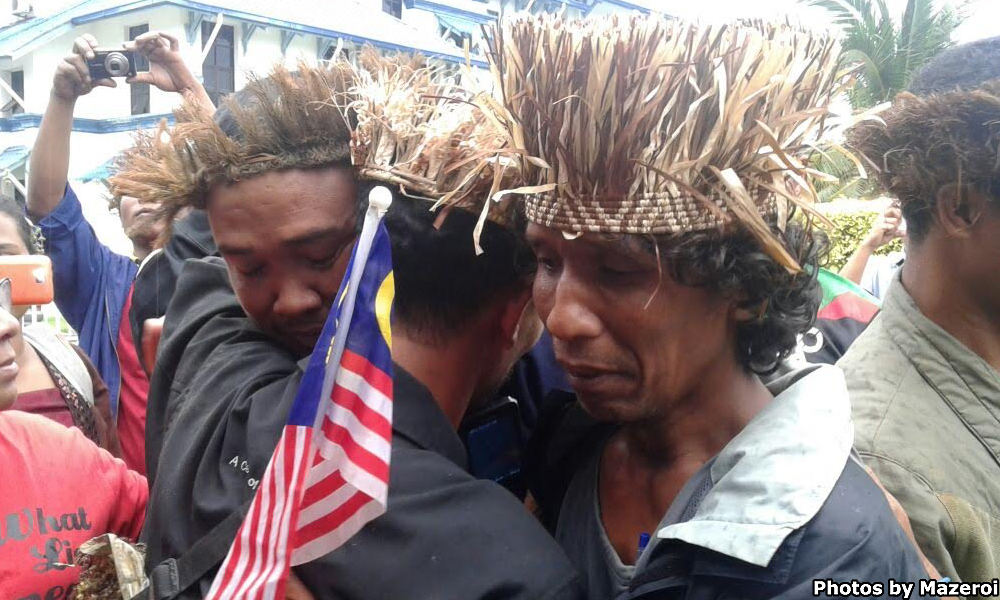
When Himpunan Hijau chairperson Wong Tack saw the pain and sadness among the Temiar Orang Asli on the day 47 arrested activists from the Gua Musang blockade were brought to court to be remanded, he vowed to support them any way he could.
"When they (arrested Orang Asli) came out from the lock up, and I saw all the women crying with their babies in hand, it just touched me so much.
"When I witnessed all the pain and sadness among them and I see their strong fighting spirit...I was very upset, so right there, I promised them I would support them," he said to Malaysiakini today.
When Himpunan Hijau chairperson Wong Tack saw the pain and sadness among the Temiar Orang Asli on the day 47 arrested activists from the Gua Musang blockade were brought to court to be remanded, he vowed to support them any way he could.
"When they (arrested Orang Asli) came out from the lock up, and I saw all the women crying with their babies in hand, it just touched me so much.
"When I witnessed all the pain and sadness among them and I see their strong fighting spirit...I was very upset, so right there, I promised them I would support them," he said to Malaysiakini today.
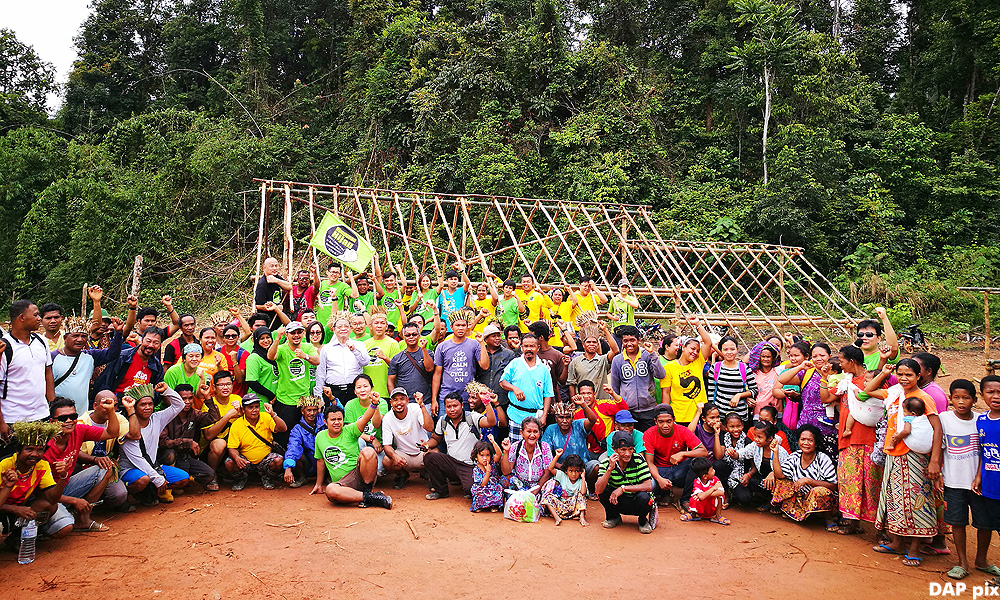
Keeping to his word, Wong Tack, along with over 30 Himpunan Hijau members went into the forests of Gua Musang in 14 four-wheel drive vehicles last weekend to deliver food supplies to the Orang Asli.
Even then, he said, they had received so much food donations for the Orang Asli that they could not fit all the food into the vehicles in this trip, prompting him to plan a second trip soon.
"I didn't really promote the event, so I was surprised so many people responded and with so much food stuff.
"When (we) left, (my members) were already asking when are we going back in again," he said.
He is even planning on making regular trips to the blockades to drop off food supplies.
River no longer drinkable
The Orang Asli had set up their blockades since September but in the last week of November, authorities cracked down on them, tearing down their blockades and arresting 54 of the Orang Asli activists in total.
The blockades were built to stop logging activities at the Balah and Stong forest reserves.
However, the Orang Asli remained undeterred and started rebuilding the blockades last weekend.
"They are very determined, no matter how many people come and tear (the blockades) down, they will build it back up," Wong Tack said, recounting the sentiment among the Orang Asli during his visit.
Due to bad weather conditions, he said his group only visited the first blockade, about an hour's drive from Gua Musang.
Though the scenery at the location was beautiful, with big limestone outcrops, he lamented that all the big trees were gone, the ground was very muddy and the river water is too dirty to drink.
"They are collecting rainwater to drink now, but during the dry season it will be difficult," he said.
In their next food supply drop-off, Wong said they plan to visit the other two blockades, about 20 kilometres and two hours' drive further in.
He also plans on forming a task force to look into the issues of the Orang Asli.
Can't force modernisation
The Orang Asli at the blockade just want to stop the destruction of the forests, he said.
They want their land to be respected, he said, and for encroachment onto their land to stop.
There are no more fish in the rivers, no more animals in the forest, no more water to drink for the Orang Asli on their own lands, he said.
"You say you want to modernise and industralise them, but that is not the point, that is not their way of living.
"That is their home, their habitat. It is unfair to change their way of life," he said.


Are you sure you want to delete this comment?
This action cannot be undone.